
Feel Better Faster with Recovery Compression Sleeves
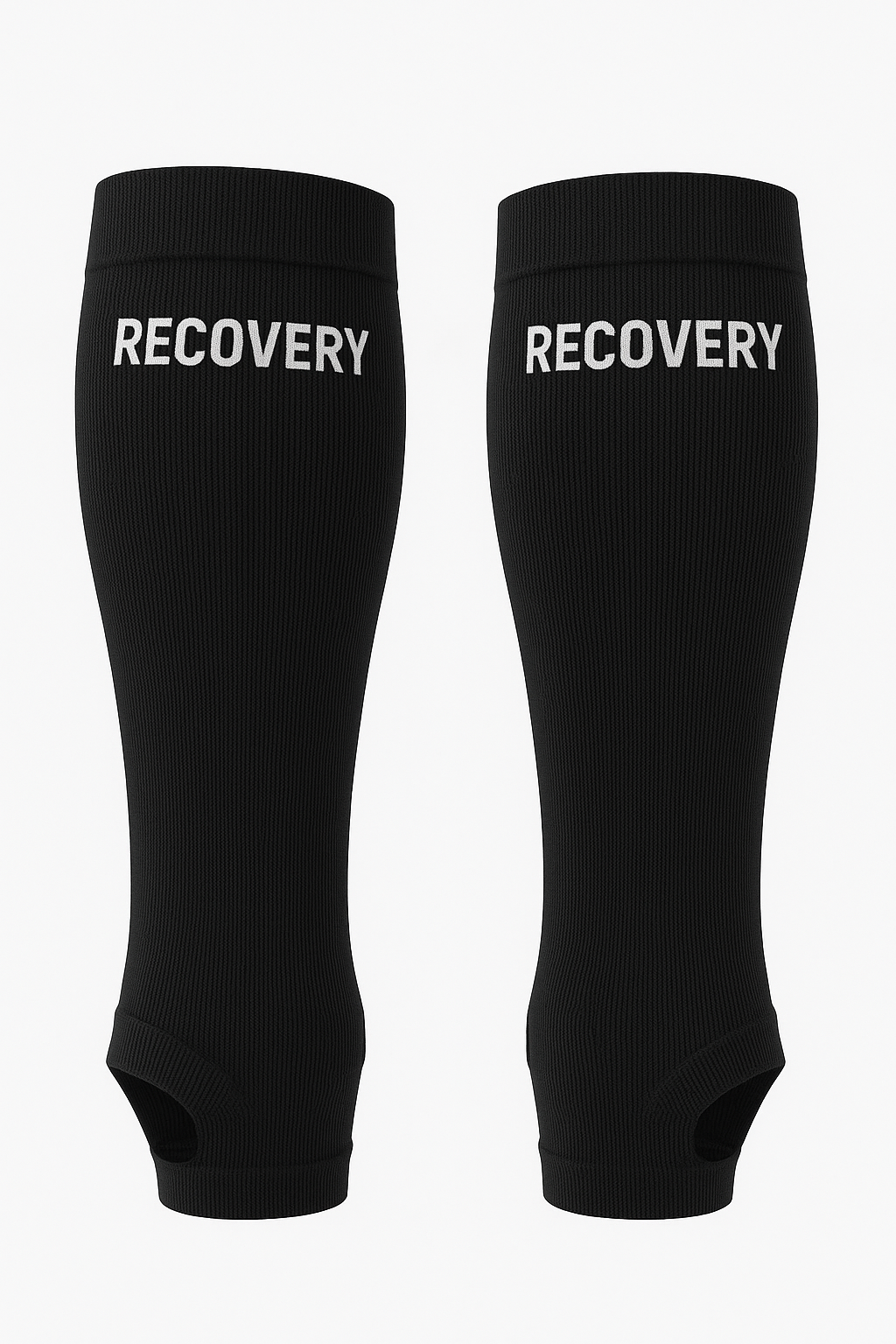
What Are Recovery Compression Sleeves?
Recovery compression sleeves are special tight-fitting garments worn on the arms or legs to help muscles recover after exercise or injury. These sleeves are becoming very popular among athletes, fitness lovers, and even people with health issues like swelling or poor blood circulation. They are made with stretchy fabric that gently squeezes the muscles to improve blood flow and reduce muscle soreness.
People use recovery compression sleeves for many reasons. Some wear them after running or lifting weights to feel less sore. Others use them at work if they stand for long hours. Many doctors even recommend them for people with medical conditions such as varicose veins or lymphedema.
The best thing about recovery compression sleeves is that they are simple to use and can be worn anywhere—at home, at the gym, or while traveling. In this article, we’ll talk in detail about how they work, why they are useful, and how to choose the right ones for your needs.
We will also explain how to wear and take care of them properly. If you’ve ever felt tired legs or sore arms after a workout or long day, this guide will help you understand how recovery compression sleeves can be a game-changer.
How Compression Sleeves Actually Work
Recovery compression sleeves work by applying gentle pressure on your muscles. This pressure helps push blood back to your heart more efficiently. Better blood flow means your muscles get more oxygen and nutrients, which helps them recover faster after physical activity.
When you exercise, your muscles produce waste like lactic acid. This waste builds up and causes soreness or fatigue. Compression sleeves speed up the removal of this waste by improving circulation. That’s why you often feel less sore when you wear them after working out.
Another important point is that the tight fabric supports your muscles and joints. This reduces the chance of small injuries like strains or sprains. It also keeps your muscles warm, which can help reduce stiffness.
Some recovery compression sleeves even have added features like UV protection or moisture-wicking fabric, which makes them more comfortable to wear for longer periods. Whether you’re a runner, cyclist, weightlifter, or someone who sits or stands all day, these sleeves can help reduce swelling and keep your muscles feeling fresh.
In short, compression sleeves don’t just look sporty—they actually support your body by improving circulation, reducing pain, and speeding up recovery.
Benefits of Using Compression Sleeves
There are many benefits to using recovery compression sleeves, and they go far beyond just reducing muscle pain. Let’s look at some of the top advantages:
Faster Recovery: One of the biggest benefits is quicker muscle recovery. By improving blood flow, the sleeves help muscles heal faster after a workout.
Less Soreness: If you’ve ever had sore legs or arms the day after exercise, you know how uncomfortable it can be. Compression sleeves help reduce delayed-onset muscle soreness (DOMS).
Reduced Swelling: If you stand or sit for long hours, your legs or arms may swell. These sleeves help prevent that by improving circulation and reducing fluid buildup.
Injury Prevention: Compression sleeves support your muscles and joints. This lowers your risk of injury during physical activity.
More Comfort: Modern recovery sleeves are designed with breathable, sweat-wicking fabric. They feel soft and cool against the skin, even during hot weather.
Support for Medical Issues: People with poor circulation, diabetes, varicose veins, or lymphedema often find great relief using these sleeves.
Improved Performance: Many athletes wear sleeves during workouts to maintain muscle strength and endurance.
In simple words, recovery compression sleeves are not just for sports—they’re for anyone who wants to feel better and recover faster.
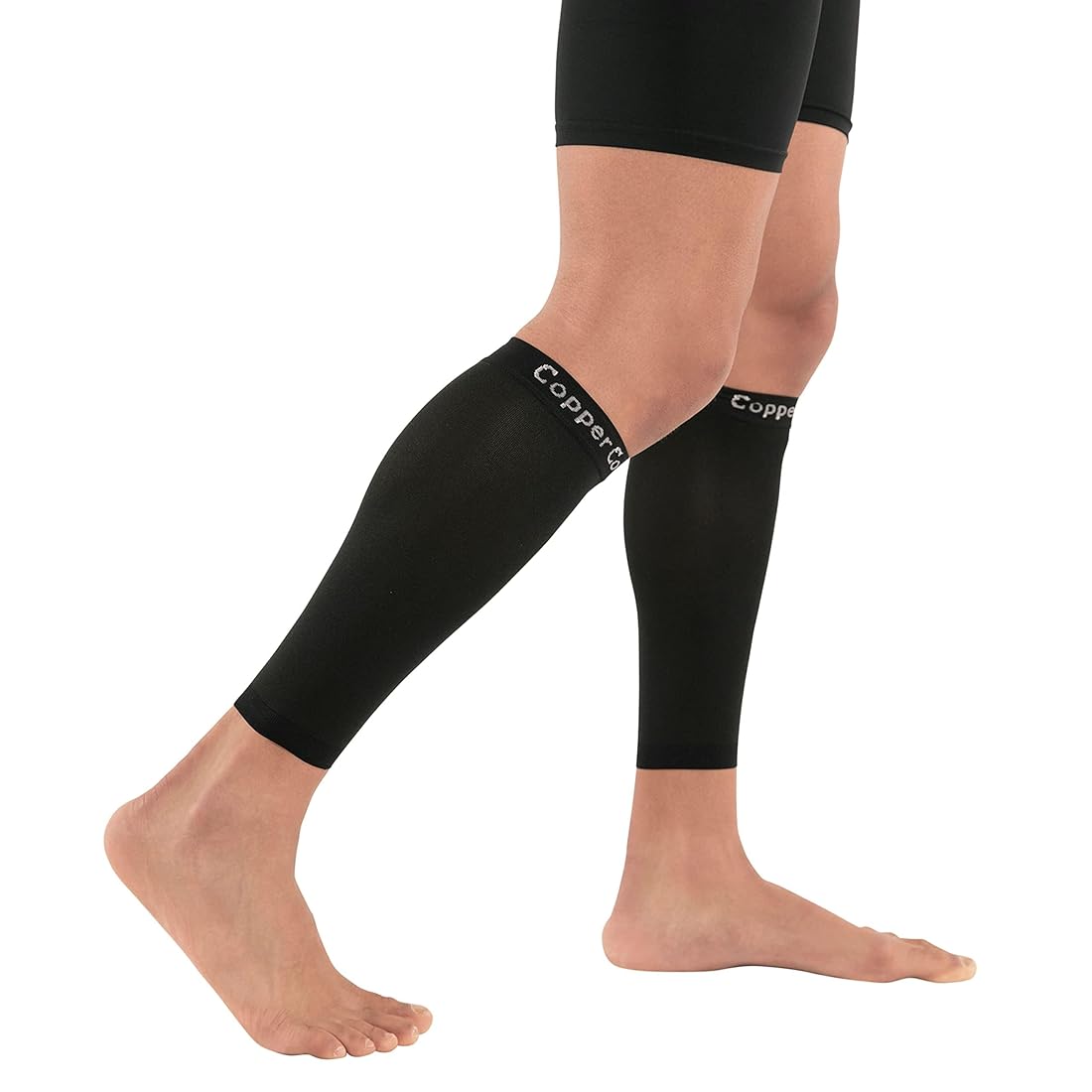
Choosing the Right Compression Sleeve
Choosing the right recovery compression sleeve is important if you want the best results. There are many options in the market, but here are some simple tips to help you pick the right one:
Check the Fit: The sleeve should be snug but not too tight. If it’s too loose, it won’t work. If it’s too tight, it could cause numbness. Always use a size chart provided by the manufacturer.
Pick the Right Material: Look for breathable, moisture-wicking fabric. This keeps you comfortable even if you wear the sleeves for long hours.
Know Your Needs: Are you using it for sports, travel, or medical reasons? Some sleeves are designed for athletes, while others are made for medical use. Choose based on your purpose.
Look for Extra Features: Some sleeves offer UV protection, odor control, or extra padding. These features can add more comfort and value.
Durability Matters: Choose high-quality sleeves that can handle frequent washing and daily wear. Cheaper ones may lose compression quickly.
Read Reviews: See what other people are saying. Reviews can tell you about the real-life comfort, fit, and effectiveness of the sleeve.
When you choose the right recovery compression sleeve, you’ll notice the difference right away. Your body will feel more supported, and you’ll recover faster from physical stress.
Best Time to Wear Compression Sleeves
Knowing when to wear recovery compression sleeves is just as important as using them. Here are the best times and situations where these sleeves help the most:
After Exercise: The most common time to wear compression sleeves is right after a workout. This helps reduce muscle soreness and speeds up recovery.
During Travel: If you're on a long flight or road trip, wearing compression sleeves can prevent swelling in the legs and reduce the risk of blood clots.
At Work: People who stand for hours, like nurses, teachers, or factory workers, benefit from wearing compression sleeves during their shifts. It keeps their legs energized.
While Sleeping (Sometimes): Some people wear them while sleeping to improve blood flow and reduce swelling. However, you should only do this with light compression and after talking to a doctor.
During Light Exercise: Some wear sleeves during low-impact workouts like walking or yoga. This helps maintain circulation and provides light muscle support.
After Surgery or Injury: Doctors may recommend compression sleeves during the recovery phase after certain surgeries or injuries to reduce swelling and improve healing.
Remember, you don’t have to wear them all day. Just choose the time that matches your activity and health needs. Using them at the right time gives you the best results and helps your body recover better.
Caring for Your Compression Sleeves
To make your Recovery Compression Sleeves last longer and stay effective, you need to take proper care of them. Here are some easy tips to help you do that:
Wash Regularly: Sweat and dirt can weaken the fabric. It’s best to wash the sleeves after each use, especially if you’ve worn them during a workout.
Use Cold Water: Always wash them in cold or lukewarm water. Hot water can damage the elastic fibers that provide compression.
Hand Wash or Gentle Cycle: If you use a washing machine, choose the gentle cycle. Even better, hand wash them to keep them in top shape.
Use Mild Detergent: Avoid harsh chemicals or bleach. These can damage the fabric and reduce the sleeve’s effectiveness.
Air Dry Only: Never put them in a dryer. Heat can destroy the elasticity. Lay them flat to dry or hang them in a cool, shaded area.
Avoid Fabric Softeners: These can clog the fibers and affect the compression quality.
Store Properly: Keep your sleeves in a clean, dry place. Don’t fold them too tightly or stuff them in tight spaces, as it may weaken the fabric.
By following these care tips, your compression sleeves will stay stretchy, comfortable, and effective for a long time. Proper care means better results and more value for your money.
Common Mistakes to Avoid Always
Even though recovery compression sleeves are easy to use, people often make simple mistakes that reduce their benefits. Here are the most common ones to avoid:
Wearing the Wrong Size: A sleeve that's too tight can cut off circulation. A sleeve that’s too loose won’t provide enough support. Always measure your arm or leg before buying.
Wearing Too Long or Too Short: Some people wear compression sleeves all day and night. Others take them off too quickly. It's important to wear them for the recommended time—usually a few hours after activity or as your doctor suggests.
Skipping Washing: Not cleaning your sleeves can cause skin problems like rashes or bad smells. Wash them regularly to keep them fresh and hygienic.
Using Old or Worn-Out Sleeves: Compression sleeves lose their elasticity over time. If yours feels loose or doesn’t compress anymore, it’s time to get a new one.
Not Following Medical Advice: If you're using sleeves for a medical condition, always follow your doctor’s advice. Don’t just rely on what you read online.
Ignoring Pain or Discomfort: If your sleeve causes pain, numbness, or tingling, take it off right away. It may be the wrong size or fit.
Wrong Usage Purpose: A sports compression sleeve may not be suitable for medical use, and vice versa. Use the right type for your specific need.
Avoiding these mistakes helps you get the most out of your recovery compression sleeves. It keeps your muscles safe and your recovery fast and smooth.
Conclusion: Why You Should Try Them
Recovery compression sleeves are simple tools with powerful benefits. They help improve blood flow, reduce soreness, prevent swelling, and speed up recovery after physical activity or long hours of work. Whether you’re an athlete, a traveler, or just someone who wants to feel better, these sleeves can make a big difference.
They are easy to wear, lightweight, and suitable for daily use. Choosing the right size, wearing them at the right time, and taking good care of them can help you enjoy all the benefits. If used correctly, recovery compression sleeves can help you stay active, comfortable, and pain-free.
Frequently Asked Questions (FAQs)
Q1. Can anyone use recovery compression sleeves?
Yes, anyone can use them. They are especially helpful for athletes, people with poor circulation, or anyone who feels muscle pain after work or exercise.
Q2. How long should I wear them?
You can wear them for a few hours after exercise or during travel. Avoid wearing them all day unless your doctor advises it.
We are excited to announce the **launch of the Sharkbow Marketplace!** 🎉 Now you can:
- 🛍️ List and sell your products – Open your own store easily.
- 📦 Manage orders effortlessly – Track sales and communicate with buyers.
- 🚀 Reach thousands of buyers – Expand your business with ease.
Start selling today and grow your online business on Sharkbow! 🛒
Open Your Store 🚀 ✖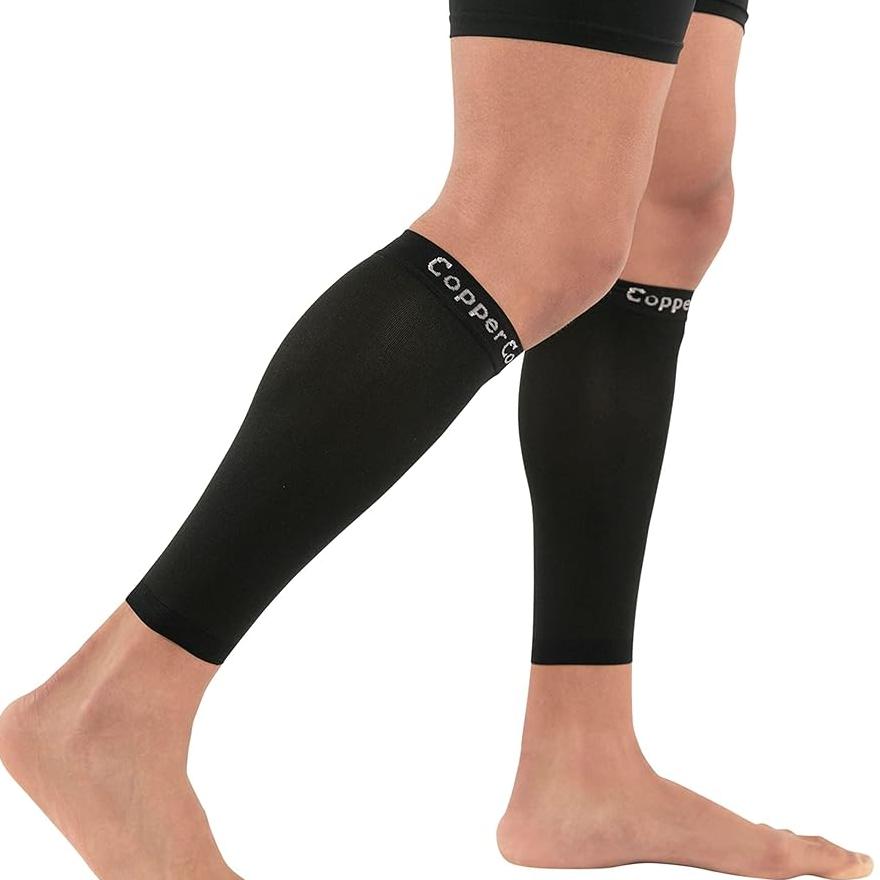
🚀 What Can You Do on Sharkbow?
Sharkbow.com gives you endless possibilities! Explore these powerful features and start creating today:
- 📝 Create Posts – Share your thoughts with the world.
- 🎬 Create Reels – Short videos that capture big moments.
- 📺 Create Watch Videos – Upload long-form content for your audience.
- 📝 Write Blogs – Share stories, insights, and experiences.
- 🛍️ Sell Products – Launch and manage your online store.
- 📣 Create Pages – Build your brand, business, or project.
- 🎉 Create Events – Plan and promote your upcoming events.
- 👥 Create Groups – Connect and build communities.
- ⏳ Create Stories – Share 24-hour disappearing updates.
Join Sharkbow today and make the most out of these features! 🚀
Start Creating Now 🚀
 English
 Arabic
 French
 Spanish
 Portuguese
 Deutsch
 Turkish
 Dutch
Dutch
 Italiano
 Russian
 Romaian
 Greek
Greek