
Understanding the Risk Factors for Sebaceous Cysts
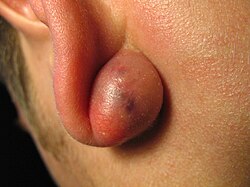
Understanding the risk factors for sebaceous cysts can help you identify situations or conditions that may make you more prone to developing them. While anyone can get a sebaceous cyst, certain factors can increase the likelihood of formation. Here’s a breakdown of the most common risk factors associated with sebaceous cysts:
Visit our site to know about Sebaceous Cyst REMOVAL COST (أسعار عملية الكيس الدهني)
1. Genetics (Family History)
-
What it is: If a family member has had sebaceous cysts, you may be more likely to develop them yourself.
-
Why it matters: Genetics play a significant role in the development of sebaceous cysts, as certain hereditary conditions can increase the likelihood of cyst formation.
-
Example: Conditions like Gardner's syndrome, a rare genetic disorder, can lead to multiple cysts developing on the skin, as well as other issues like growths in the colon.
2. Hormonal Changes
-
What it is: Changes in hormone levels, especially during puberty, pregnancy, or menopause, can contribute to the formation of sebaceous cysts.
-
Why it matters: Hormonal fluctuations can affect the sebaceous glands, causing them to produce excess oil (sebum) that can clog the hair follicles and lead to cyst formation.
-
Example: Puberty is a time of increased sebum production due to rising androgen levels, which is why adolescents are more prone to developing cysts, especially in areas like the face, chest, and back.
3. Skin Trauma or Injury
-
What it is: Physical damage or injury to the skin, such as cuts, abrasions, or surgical scars, can cause sebaceous glands to become blocked.
-
Why it matters: When a sebaceous gland is damaged or its duct is obstructed due to trauma, it can lead to the formation of a cyst at the site of injury.
-
Example: If a person has had a deep acne breakout or a surgical wound, the damaged follicle or gland can become blocked and form a cyst.
4. Poor Skin Hygiene (In Some Cases)
-
What it is: Although poor hygiene isn’t a direct cause of sebaceous cysts, it can sometimes contribute to clogged pores or follicles, which may lead to cysts.
-
Why it matters: If dead skin cells, dirt, and excess oil aren’t properly removed from the skin, they can accumulate in pores and hair follicles, causing blockages.
-
Example: People who don’t cleanse their skin regularly, especially those with oily or acne-prone skin, may have a higher likelihood of developing cysts.
5. Acne
-
What it is: Acne and sebaceous cysts are related because both are caused by clogged pores.
-
Why it matters: People with acne, especially those with severe or chronic acne, are more prone to developing sebaceous cysts due to the blocked sebaceous glands that result from the acne process.
-
Example: A person with an acne flare-up may develop a sebaceous cyst if a hair follicle or sebaceous gland becomes plugged with oil and dead skin cells.
6. Age
-
What it is: Sebaceous cysts are most common in adolescents and young adults.
-
Why it matters: During puberty, hormonal changes trigger increased sebum production, which can lead to clogged pores and cyst formation. However, sebaceous cysts can occur at any age.
-
Example: Teenagers are especially prone to cysts due to the hormonal changes that occur during puberty, though adults can also develop them, particularly in areas that experience friction or injury.
7. Excessive Sweating or Friction
-
What it is: Constant sweating or friction from tight clothing can cause irritation to the skin and block the pores, increasing the risk of sebaceous cysts.
-
Why it matters: Friction from tight clothing, backpacks, or sports equipment can cause hair follicles or sebaceous glands to become blocked, leading to cyst formation.
-
Example: People who wear tight-fitting hats or helmets may be at a higher risk for sebaceous cysts on their scalp or forehead due to the constant friction and trapped sweat.
8. Certain Medical Conditions
-
What it is: Some medical conditions and genetic disorders are linked to a higher risk of developing sebaceous cysts.
-
Why it matters: Certain underlying health issues can cause cysts to form more frequently. These include:
-
Gardner’s syndrome: A genetic disorder that can lead to multiple cysts and growths in various parts of the body.
-
Basal cell nevus syndrome: Another genetic condition that can result in multiple skin cysts.
-
Pachyonychia congenita: A rare genetic condition that can cause cysts to form on the skin, often in areas of pressure or friction.
-
9. Overactive Sebaceous Glands (Oily Skin)
-
What it is: People with naturally oily skin or those with overactive sebaceous glands are more likely to develop sebaceous cysts.
-
Why it matters: Excessive oil production can clog hair follicles and sebaceous glands, leading to cyst formation.
-
Example: People with acne-prone skin or those who have oily complexions may be more prone to developing cysts, especially in the face, neck, and back.
10. Infections
-
What it is: Certain types of infections, especially those caused by bacteria like staphylococcus, can lead to the formation of cysts, either from an infection in a hair follicle or as a result of the body’s response to an infection.
-
Why it matters: Infected hair follicles or sebaceous glands can become blocked, leading to the formation of a cyst.
-
Example: An infected pimple or abscess can develop into a sebaceous cyst if not properly drained or treated.
Summary of Risk Factors for Sebaceous Cysts
-
Genetics/family history
-
Hormonal changes (puberty, pregnancy, menopause)
-
Skin trauma or injury
-
Poor skin hygiene (though not the primary cause)
-
Acne (especially severe or chronic acne)
-
Age (teenagers and young adults are most affected)
-
Excessive sweating or friction (from tight clothing or sports gear)
-
Medical conditions (Gardner’s syndrome, basal cell nevus syndrome, etc.)
-
Overactive sebaceous glands (leading to oily skin)
-
Infections (causing hair follicle blockages)
Can You Prevent Sebaceous Cysts?
While you can’t always prevent sebaceous cysts, there are steps you can take to reduce your risk:
-
Maintain good skincare habits, especially if you have oily or acne-prone skin.
-
Avoid unnecessary trauma to your skin, such as squeezing pimples or picking at cysts.
-
Wear loose-fitting clothing to reduce friction.
-
Monitor for early signs of cysts (pain, redness, swelling), and seek treatment early to avoid infection or further complications.
We are excited to announce the **launch of the Sharkbow Marketplace!** 🎉 Now you can:
- 🛍️ List and sell your products – Open your own store easily.
- 📦 Manage orders effortlessly – Track sales and communicate with buyers.
- 🚀 Reach thousands of buyers – Expand your business with ease.
Start selling today and grow your online business on Sharkbow! 🛒
Open Your Store 🚀 ✖
🚀 What Can You Do on Sharkbow?
Sharkbow.com gives you endless possibilities! Explore these powerful features and start creating today:
- 📝 Create Posts – Share your thoughts with the world.
- 🎬 Create Reels – Short videos that capture big moments.
- 📺 Create Watch Videos – Upload long-form content for your audience.
- 📝 Write Blogs – Share stories, insights, and experiences.
- 🛍️ Sell Products – Launch and manage your online store.
- 📣 Create Pages – Build your brand, business, or project.
- 🎉 Create Events – Plan and promote your upcoming events.
- 👥 Create Groups – Connect and build communities.
- ⏳ Create Stories – Share 24-hour disappearing updates.
Join Sharkbow today and make the most out of these features! 🚀
Start Creating Now 🚀
 English
 Arabic
 French
 Spanish
 Portuguese
 Turkish
 Dutch
Dutch
 Italiano
 Russian
 Romaian
 Portuguese (Brazil)
 Greek
Greek