
Guide to Restoring Missing Teeth
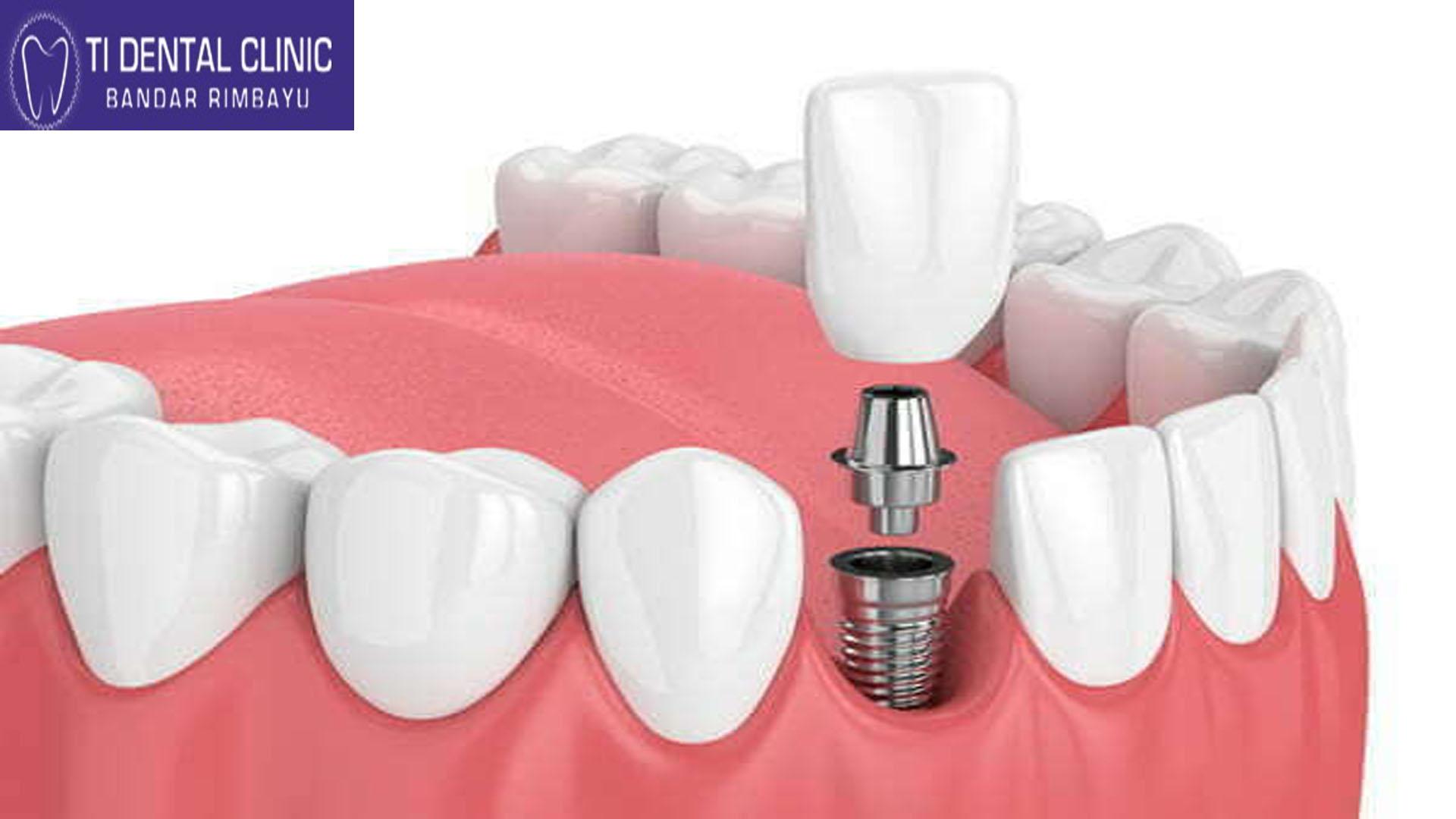
Dental implants are artificial tooth roots made primarily of titanium or zirconia that are surgically placed into the jawbone. They provide a strong and durable foundation for replacement teeth such as crowns, bridges, or dentures. Unlike traditional implant teeth price in Malaysia options, implants closely mimic the function, appearance, and feel of natural teeth. As a result, they have become increasingly popular among patients seeking a long-term solution to tooth loss.
This article explores dental implants in detail, including their benefits, types, procedure, candidacy requirements, risks, maintenance, and long-term outcomes.
Understanding Dental Implants
A dental implant is a prosthetic device designed to replace the root of a missing tooth. Once inserted into the jawbone, the implant integrates with the surrounding bone through a process known as osseointegration. This biological bonding creates a stable base for an artificial tooth.
A complete dental implant system generally consists of three components:
1. Implant Fixture
The implant fixture is the screw-like structure that is surgically placed into the jawbone. It acts as the artificial root of the missing tooth.
2. Abutment
The abutment is a connector attached to the implant fixture. It extends above the gum line and supports the final restoration.
3. Prosthetic Restoration
This is the visible part of the replacement tooth. Depending on the patient's needs, it may be a crown, bridge, or denture.
Together, these components create a functional and aesthetically pleasing replacement for natural teeth.
Why Dental Implants Are Important
Tooth loss affects more than appearance. When a tooth is lost, the jawbone beneath it begins to shrink because it no longer receives stimulation from chewing forces. This process, known as bone resorption, can lead to facial sagging and weakened jaw structure.
Dental implants help preserve bone by transmitting chewing forces into the jawbone, similar to natural tooth roots. This unique advantage distinguishes implants from traditional bridges and removable dentures.
Types of Dental Implants
Several types of dental implants are available to meet different clinical situations.
Endosteal Implants
These are the most common type. They are placed directly into the jawbone and typically resemble small screws or cylinders.
Subperiosteal Implants
These implants rest on top of the jawbone but beneath the gum tissue. They are often used when there is insufficient bone height and bone grafting is not feasible.
Single-Tooth Implants
A single implant supports one crown and replaces one missing tooth without affecting neighboring teeth.
Implant-Supported Bridges
These are used when multiple adjacent teeth are missing. Instead of placing an implant for every missing tooth, strategically positioned implants support a bridge.
Implant-Supported Dentures
Patients who have lost all teeth in one or both arches can benefit from implant-supported dentures. These offer greater stability than conventional removable dentures.
All-on-4 Implants
This innovative technique uses four strategically placed implants to support a full arch of replacement teeth. It is often suitable for patients with reduced bone volume.
Benefits of Dental Implants
Dental implants offer numerous advantages compared to traditional tooth replacement methods.
Natural Appearance
Modern implant restorations closely resemble natural teeth in color, shape, and function. Most people cannot distinguish implants from natural teeth.
Improved Chewing Efficiency
Unlike removable dentures, implants provide a stable foundation that allows patients to eat a wide variety of foods comfortably.
Enhanced Speech
Loose dentures can interfere with speech. Implants eliminate this problem by remaining securely fixed in place.
Bone Preservation
Implants stimulate the jawbone and help prevent bone loss following tooth extraction.
Long-Term Durability
With proper care, dental implants can last decades and may even last a lifetime.
Protection of Adjacent Teeth
Traditional bridges often require the reduction of neighboring healthy teeth. Implants preserve adjacent teeth because they function independently.
Improved Self-Confidence
Many patients report increased confidence and improved quality of life after implant treatment.
The Dental Implant Procedure
The dental implants cost process typically involves multiple stages and may take several months to complete.
We are excited to announce the **launch of the Sharkbow Marketplace!** 🎉 Now you can:
- 🛍️ List and sell your products – Open your own store easily.
- 📦 Manage orders effortlessly – Track sales and communicate with buyers.
- 🚀 Reach thousands of buyers – Expand your business with ease.
Start selling today and grow your online business on Sharkbow! 🛒
Open Your Store 🚀 ✖
🚀 What Can You Do on Sharkbow?
Sharkbow.com gives you endless possibilities! Explore these powerful features and start creating today:
- 📝 Create Posts – Share your thoughts with the world.
- 🎬 Create Reels – Short videos that capture big moments.
- 📺 Create Watch Videos – Upload long-form content for your audience.
- 📝 Write Blogs – Share stories, insights, and experiences.
- 🛍️ Sell Products – Launch and manage your online store.
- 📣 Create Pages – Build your brand, business, or project.
- 🎉 Create Events – Plan and promote your upcoming events.
- 👥 Create Groups – Connect and build communities.
- ⏳ Create Stories – Share 24-hour disappearing updates.
Join Sharkbow today and make the most out of these features! 🚀
Start Creating Now 🚀
 English
 Arabic
 French
 Portuguese
 Deutsch
 Turkish
 Dutch
Dutch
 Italiano
 Russian
 Romaian
 Portuguese (Brazil)
 Greek
Greek