• Sinosteel Stainless Steel Pipe Technology (Shanxi) Co., Ltd. is one of largest Manufacturer and Supplier of Stainless Steel Pipe and Special Alloy Pipe in china.Welded pipe, Seamless Pipe,Pipe Fittings,Prefabricated Components,composite pipes,Sinosteel Pipe is well structured and possesses complete product specifications, uses exquisite techniques and produces excellent quality.
    Steel pipes with an outer diameter from 8mm to 3600mm, with wall thicknesses from 0.2mm to 120mm. Factory covering an area of 333,000 square meters. Production capacity reaches 200,000 tons.
    Material: Austenitic stainless steel, Super Austenitic Stainless Steel,Duplex Stainless Steel, Nickel Based Alloy, Titanium and Titanium Alloy, Copper and Copper Alloy, Bimetal Composite.
    Web: https://www.sinosteel-pipe.com/en
    email: [email protected]
    Sinosteel Stainless Steel Pipe Technology (Shanxi) Co., Ltd. is one of largest Manufacturer and Supplier of Stainless Steel Pipe and Special Alloy Pipe in china.Welded pipe, Seamless Pipe,Pipe Fittings,Prefabricated Components,composite pipes,Sinosteel Pipe is well structured and possesses complete product specifications, uses exquisite techniques and produces excellent quality. Steel pipes with an outer diameter from 8mm to 3600mm, with wall thicknesses from 0.2mm to 120mm. Factory covering an area of 333,000 square meters. Production capacity reaches 200,000 tons. Material: Austenitic stainless steel, Super Austenitic Stainless Steel,Duplex Stainless Steel, Nickel Based Alloy, Titanium and Titanium Alloy, Copper and Copper Alloy, Bimetal Composite. Web: https://www.sinosteel-pipe.com/en email: [email protected]
    Sinosteel Stainless Steel Pipe Technology (Shanxi) Co., Ltd.
    Sinosteel Pipe is the Manufacturer and Supplier of Stainless Steel Pipe and Special Alloy Pipe in China.Seamless pipe,Welded Pipe,Pipe Fittings,Factory covering an area of 333,000 square meters. Production capacity reaches 200,000 tons.
    0 Comments 0 Shares 14K Views 0 Reviews
  • The rise of Large Language Models (LLMs) has undeniably reshaped the landscape of artificial intelligence, offering unprecedented capabilities in natural language understanding and generation. From sophisticated content creation to code completion and complex data analysis, LLMs are rapidly integrating into various software development workflows. However, this powerful advancement brings with it a new frontier of security challenges that demand our immediate attention. Just as LLMs can be leveraged for beneficial tasks, they can also be exploited, posing significant risks to systems and data.

    One of the most prominent security concerns revolves around prompt injection attacks. This technique involves crafting malicious inputs, known as adversarial prompts, that manipulate the LLM into performing unintended actions. Attackers can bypass safety filters, extract sensitive data that the model has been trained on, or even inject harmful code into applications that utilize LLMs. The nuanced nature of natural language makes detecting and mitigating these injections incredibly difficult, as a slight alteration in phrasing can change the model's interpretation and subsequent behavior.

    Beyond prompt injection, data privacy and intellectual property protection are paramount. LLMs often require vast datasets for training, and if these datasets contain sensitive proprietary information or personally identifiable information (PII), there's a risk of leakage through model outputs. Robust data anonymization and differential privacy techniques are crucial, but their implementation within the black-box nature of LLMs can be nontrivial. Furthermore, the potential for LLMs to inadvertently generate copyrighted material or plagiarize existing content raises legal and ethical questions that are still being actively debated and addressed.

    Model poisoning is another insidious threat where attackers attempt to corrupt the training data or the model itself. Introducing biased or malicious data during the training phase can subtly alter the LLM's decision-making process, leading to biased outputs, security vulnerabilities, or a general degradation of performance over time. This is particularly concerning in critical applications like healthcare or finance, where flawed AI decisions can have severe consequences. Ensuring the integrity of training data and implementing rigorous model validation processes are essential countermeasures.

    Finally, the issue of model exfiltration and unauthorized access cannot be overlooked. As LLMs become more complex and computationally expensive to train, their value as intellectual property increases. Protecting these models from theft or unauthorized use is crucial for organizations that invest heavily in their development. Secure deployment strategies, access control mechanisms, and continuous monitoring are vital to safeguarding these valuable AI assets. The evolving nature of LLMs necessitates a proactive and adaptive approach to cybersecurity, one that anticipates new vulnerabilities and develops innovative defense mechanisms.
    The rise of Large Language Models (LLMs) has undeniably reshaped the landscape of artificial intelligence, offering unprecedented capabilities in natural language understanding and generation. From sophisticated content creation to code completion and complex data analysis, LLMs are rapidly integrating into various software development workflows. However, this powerful advancement brings with it a new frontier of security challenges that demand our immediate attention. Just as LLMs can be leveraged for beneficial tasks, they can also be exploited, posing significant risks to systems and data. One of the most prominent security concerns revolves around prompt injection attacks. This technique involves crafting malicious inputs, known as adversarial prompts, that manipulate the LLM into performing unintended actions. Attackers can bypass safety filters, extract sensitive data that the model has been trained on, or even inject harmful code into applications that utilize LLMs. The nuanced nature of natural language makes detecting and mitigating these injections incredibly difficult, as a slight alteration in phrasing can change the model's interpretation and subsequent behavior. Beyond prompt injection, data privacy and intellectual property protection are paramount. LLMs often require vast datasets for training, and if these datasets contain sensitive proprietary information or personally identifiable information (PII), there's a risk of leakage through model outputs. Robust data anonymization and differential privacy techniques are crucial, but their implementation within the black-box nature of LLMs can be nontrivial. Furthermore, the potential for LLMs to inadvertently generate copyrighted material or plagiarize existing content raises legal and ethical questions that are still being actively debated and addressed. Model poisoning is another insidious threat where attackers attempt to corrupt the training data or the model itself. Introducing biased or malicious data during the training phase can subtly alter the LLM's decision-making process, leading to biased outputs, security vulnerabilities, or a general degradation of performance over time. This is particularly concerning in critical applications like healthcare or finance, where flawed AI decisions can have severe consequences. Ensuring the integrity of training data and implementing rigorous model validation processes are essential countermeasures. Finally, the issue of model exfiltration and unauthorized access cannot be overlooked. As LLMs become more complex and computationally expensive to train, their value as intellectual property increases. Protecting these models from theft or unauthorized use is crucial for organizations that invest heavily in their development. Secure deployment strategies, access control mechanisms, and continuous monitoring are vital to safeguarding these valuable AI assets. The evolving nature of LLMs necessitates a proactive and adaptive approach to cybersecurity, one that anticipates new vulnerabilities and develops innovative defense mechanisms.
    0 Comments 0 Shares 6K Views 0 Reviews
  • The rapid advancement of Large Language Models (LLMs) like GPT-4 and LLaMA has brought about a paradigm shift in how we interact with and build software. From code generation to natural language interfaces for complex systems, LLMs are rapidly becoming indispensable tools for developers. However, this powerful technology also introduces novel security challenges. Understanding and mitigating these risks is paramount to safely harnessing the potential of LLMs in the software development lifecycle.

    One of the primary concerns revolves around prompt injection attacks. Attackers can craft malicious inputs, disguised as legitimate user requests, that manipulate the LLM into performing unintended actions. This could range from leaking sensitive data or API keys embedded within the model's training data or context window, to executing arbitrary code on the underlying infrastructure if the LLM is integrated with external tools or APIs. The very flexibility and natural language understanding that make LLMs so powerful also make them susceptible to nuanced and context-aware manipulation.

    Another significant area of vulnerability lies in data privacy and intellectual property. LLMs are trained on massive datasets, and if these datasets contain proprietary code or sensitive information, there's a risk that the model might inadvertently reveal this information in its outputs. Furthermore, the outputs generated by LLMs, especially those used for code generation, may inadvertently reproduce copyrighted material or introduce vulnerabilities that were present in the training data. Developers must be mindful of the licensing implications and potential for accidental leakage of sensitive data when utilizing LLM-generated code.

    Addressing these security challenges requires a multi-faceted approach. Input validation and sanitization are crucial, adapting traditional web security techniques to the unique context of LLM interactions. This involves identifying and filtering out suspicious patterns in prompts, as well as implementing techniques to differentiate between user-intended instructions and malicious commands. Employing LLMs in a sandboxed environment, with strictly limited permissions and access to external resources, is also a vital containment strategy.

    Furthermore, developing robust monitoring and detection mechanisms is essential. This includes analyzing LLM output for signs of manipulation or data leakage and establishing alerts for anomalous behavior. Researchers are also exploring techniques like adversarial training, where LLMs are specifically trained to resist known attack patterns, and differential privacy, to further protect sensitive information within training data. As LLMs become more integrated into our development workflows, a proactive and evolving security posture will be critical to ensuring their safe and beneficial application.
    The rapid advancement of Large Language Models (LLMs) like GPT-4 and LLaMA has brought about a paradigm shift in how we interact with and build software. From code generation to natural language interfaces for complex systems, LLMs are rapidly becoming indispensable tools for developers. However, this powerful technology also introduces novel security challenges. Understanding and mitigating these risks is paramount to safely harnessing the potential of LLMs in the software development lifecycle. One of the primary concerns revolves around prompt injection attacks. Attackers can craft malicious inputs, disguised as legitimate user requests, that manipulate the LLM into performing unintended actions. This could range from leaking sensitive data or API keys embedded within the model's training data or context window, to executing arbitrary code on the underlying infrastructure if the LLM is integrated with external tools or APIs. The very flexibility and natural language understanding that make LLMs so powerful also make them susceptible to nuanced and context-aware manipulation. Another significant area of vulnerability lies in data privacy and intellectual property. LLMs are trained on massive datasets, and if these datasets contain proprietary code or sensitive information, there's a risk that the model might inadvertently reveal this information in its outputs. Furthermore, the outputs generated by LLMs, especially those used for code generation, may inadvertently reproduce copyrighted material or introduce vulnerabilities that were present in the training data. Developers must be mindful of the licensing implications and potential for accidental leakage of sensitive data when utilizing LLM-generated code. Addressing these security challenges requires a multi-faceted approach. Input validation and sanitization are crucial, adapting traditional web security techniques to the unique context of LLM interactions. This involves identifying and filtering out suspicious patterns in prompts, as well as implementing techniques to differentiate between user-intended instructions and malicious commands. Employing LLMs in a sandboxed environment, with strictly limited permissions and access to external resources, is also a vital containment strategy. Furthermore, developing robust monitoring and detection mechanisms is essential. This includes analyzing LLM output for signs of manipulation or data leakage and establishing alerts for anomalous behavior. Researchers are also exploring techniques like adversarial training, where LLMs are specifically trained to resist known attack patterns, and differential privacy, to further protect sensitive information within training data. As LLMs become more integrated into our development workflows, a proactive and evolving security posture will be critical to ensuring their safe and beneficial application.
    0 Comments 0 Shares 5K Views 0 Reviews
  • The rise of Large Language Models (LLMs) like GPT-3, BERT, and their successors has undeniably revolutionized how we interact with and generate text. Their ability to understand context, write creatively, and even code has opened up a plethora of applications, from sophisticated chatbots and content creation tools to advanced code completion assistants. However, this power comes with inherent risks, particularly concerning the potential for misuse and the generation of harmful or misleading information.

    One of the most pressing concerns is the amplification of bias. LLMs are trained on vast datasets scraped from the internet, which unfortunately contain societal biases related to race, gender, religion, and more. Without careful mitigation, these models can inadvertently perpetuate and even amplify these harmful stereotypes in their outputs, leading to discriminatory or unfair results. This requires ongoing research into bias detection and debiasing techniques, as well as a critical examination of the training data itself.

    Another significant challenge is the generation of misinformation and disinformation. LLMs can produce highly convincing text that appears factual, making it difficult to distinguish between genuine information and fabricated content. This capability can be exploited to spread propaganda, influence public opinion, or engage in sophisticated phishing attacks. Developing robust methods for detecting AI-generated misinformation and promoting media literacy among users becomes increasingly crucial in this landscape.

    The potential for malicious code generation also poses a threat. While LLMs can assist developers by suggesting and even writing code snippets, they can also be prompted to generate malicious scripts or identify vulnerabilities in existing software. This shifts the landscape for cybersecurity professionals, requiring them to develop new tools and strategies for identifying and defending against AI-powered attacks. Security by design and continuous monitoring of AI-assisted development processes are becoming paramount.

    Furthermore, ethical considerations surrounding intellectual property and copyright are coming to the forefront. When an LLM generates content, who owns the copyright? If the model is trained on copyrighted material, does its output constitute infringement? These are complex legal questions that the industry and legal frameworks are still grappling with, and their resolution will shape the future development and deployment of LLM technology.

    Finally, the development and deployment of LLMs necessitate a continuous dialogue about transparency and accountability. Understanding how these models arrive at their conclusions, even if not fully interpretable, is vital for building trust and ensuring responsible use. Establishing clear lines of accountability when an LLM produces harmful or erroneous output is also essential for navigating the ethical minefield that this powerful technology presents.
    The rise of Large Language Models (LLMs) like GPT-3, BERT, and their successors has undeniably revolutionized how we interact with and generate text. Their ability to understand context, write creatively, and even code has opened up a plethora of applications, from sophisticated chatbots and content creation tools to advanced code completion assistants. However, this power comes with inherent risks, particularly concerning the potential for misuse and the generation of harmful or misleading information. One of the most pressing concerns is the amplification of bias. LLMs are trained on vast datasets scraped from the internet, which unfortunately contain societal biases related to race, gender, religion, and more. Without careful mitigation, these models can inadvertently perpetuate and even amplify these harmful stereotypes in their outputs, leading to discriminatory or unfair results. This requires ongoing research into bias detection and debiasing techniques, as well as a critical examination of the training data itself. Another significant challenge is the generation of misinformation and disinformation. LLMs can produce highly convincing text that appears factual, making it difficult to distinguish between genuine information and fabricated content. This capability can be exploited to spread propaganda, influence public opinion, or engage in sophisticated phishing attacks. Developing robust methods for detecting AI-generated misinformation and promoting media literacy among users becomes increasingly crucial in this landscape. The potential for malicious code generation also poses a threat. While LLMs can assist developers by suggesting and even writing code snippets, they can also be prompted to generate malicious scripts or identify vulnerabilities in existing software. This shifts the landscape for cybersecurity professionals, requiring them to develop new tools and strategies for identifying and defending against AI-powered attacks. Security by design and continuous monitoring of AI-assisted development processes are becoming paramount. Furthermore, ethical considerations surrounding intellectual property and copyright are coming to the forefront. When an LLM generates content, who owns the copyright? If the model is trained on copyrighted material, does its output constitute infringement? These are complex legal questions that the industry and legal frameworks are still grappling with, and their resolution will shape the future development and deployment of LLM technology. Finally, the development and deployment of LLMs necessitate a continuous dialogue about transparency and accountability. Understanding how these models arrive at their conclusions, even if not fully interpretable, is vital for building trust and ensuring responsible use. Establishing clear lines of accountability when an LLM produces harmful or erroneous output is also essential for navigating the ethical minefield that this powerful technology presents.
    0 Comments 0 Shares 4K Views 0 Reviews
  • The automotive industry is currently navigating a period of profound transformation, driven by technological advancements and evolving consumer demands. Electric vehicles (EVs) are no longer a niche market; they represent a significant expansion of the automotive landscape. Major manufacturers are investing heavily in EV research and development, introducing a wider array of models that cater to diverse needs and preferences, from compact city cars to robust SUVs and performance-oriented sedans. This shift is fueled by growing environmental consciousness, stricter emissions regulations in many regions, and an increasing awareness of the long-term cost savings associated with electric powertrains, such as lower fuel and maintenance expenses.

    Beyond electrification, the concept of the autonomous vehicle continues to mature. While fully self-driving cars for widespread public use are still some years away, advanced driver-assistance systems (ADAS) are becoming increasingly sophisticated and commonplace. Features like adaptive cruise control, lane-keeping assist, and automated emergency braking are enhancing safety and convenience, laying the groundwork for more comprehensive autonomous capabilities in the future. The development of autonomous technology involves complex interplay between sensors, artificial intelligence, and sophisticated software, creating new challenges and opportunities for innovation.

    Connectivity is another cornerstone of modern automotive design. Vehicles are increasingly becoming integrated into a broader digital ecosystem, enabling features such as over-the-air software updates, remote vehicle diagnostics, and seamless smartphone integration. Infotainment systems are evolving into sophisticated digital cockpits, offering advanced navigation, entertainment, and communication services. This interconnectedness promises to enhance the ownership experience and opens up new avenues for data collection and analysis, which can be used to improve vehicle performance and personalize user experiences.

    The manufacturing process itself is also undergoing significant changes. The integration of robotics, artificial intelligence, and advanced data analytics is leading to more efficient and precise production lines. This digital transformation of manufacturing, often referred to as Industry 4.0, aims to reduce costs, improve quality, and increase flexibility in production to meet the dynamic demands of the market. Furthermore, the sourcing of materials for batteries and other components is becoming a critical consideration, with a growing focus on sustainable and ethical supply chains. The industry is actively exploring new materials and recycling processes to minimize its environmental footprint.
    The automotive industry is currently navigating a period of profound transformation, driven by technological advancements and evolving consumer demands. Electric vehicles (EVs) are no longer a niche market; they represent a significant expansion of the automotive landscape. Major manufacturers are investing heavily in EV research and development, introducing a wider array of models that cater to diverse needs and preferences, from compact city cars to robust SUVs and performance-oriented sedans. This shift is fueled by growing environmental consciousness, stricter emissions regulations in many regions, and an increasing awareness of the long-term cost savings associated with electric powertrains, such as lower fuel and maintenance expenses. Beyond electrification, the concept of the autonomous vehicle continues to mature. While fully self-driving cars for widespread public use are still some years away, advanced driver-assistance systems (ADAS) are becoming increasingly sophisticated and commonplace. Features like adaptive cruise control, lane-keeping assist, and automated emergency braking are enhancing safety and convenience, laying the groundwork for more comprehensive autonomous capabilities in the future. The development of autonomous technology involves complex interplay between sensors, artificial intelligence, and sophisticated software, creating new challenges and opportunities for innovation. Connectivity is another cornerstone of modern automotive design. Vehicles are increasingly becoming integrated into a broader digital ecosystem, enabling features such as over-the-air software updates, remote vehicle diagnostics, and seamless smartphone integration. Infotainment systems are evolving into sophisticated digital cockpits, offering advanced navigation, entertainment, and communication services. This interconnectedness promises to enhance the ownership experience and opens up new avenues for data collection and analysis, which can be used to improve vehicle performance and personalize user experiences. The manufacturing process itself is also undergoing significant changes. The integration of robotics, artificial intelligence, and advanced data analytics is leading to more efficient and precise production lines. This digital transformation of manufacturing, often referred to as Industry 4.0, aims to reduce costs, improve quality, and increase flexibility in production to meet the dynamic demands of the market. Furthermore, the sourcing of materials for batteries and other components is becoming a critical consideration, with a growing focus on sustainable and ethical supply chains. The industry is actively exploring new materials and recycling processes to minimize its environmental footprint.
    0 Comments 0 Shares 19K Views 0 Reviews
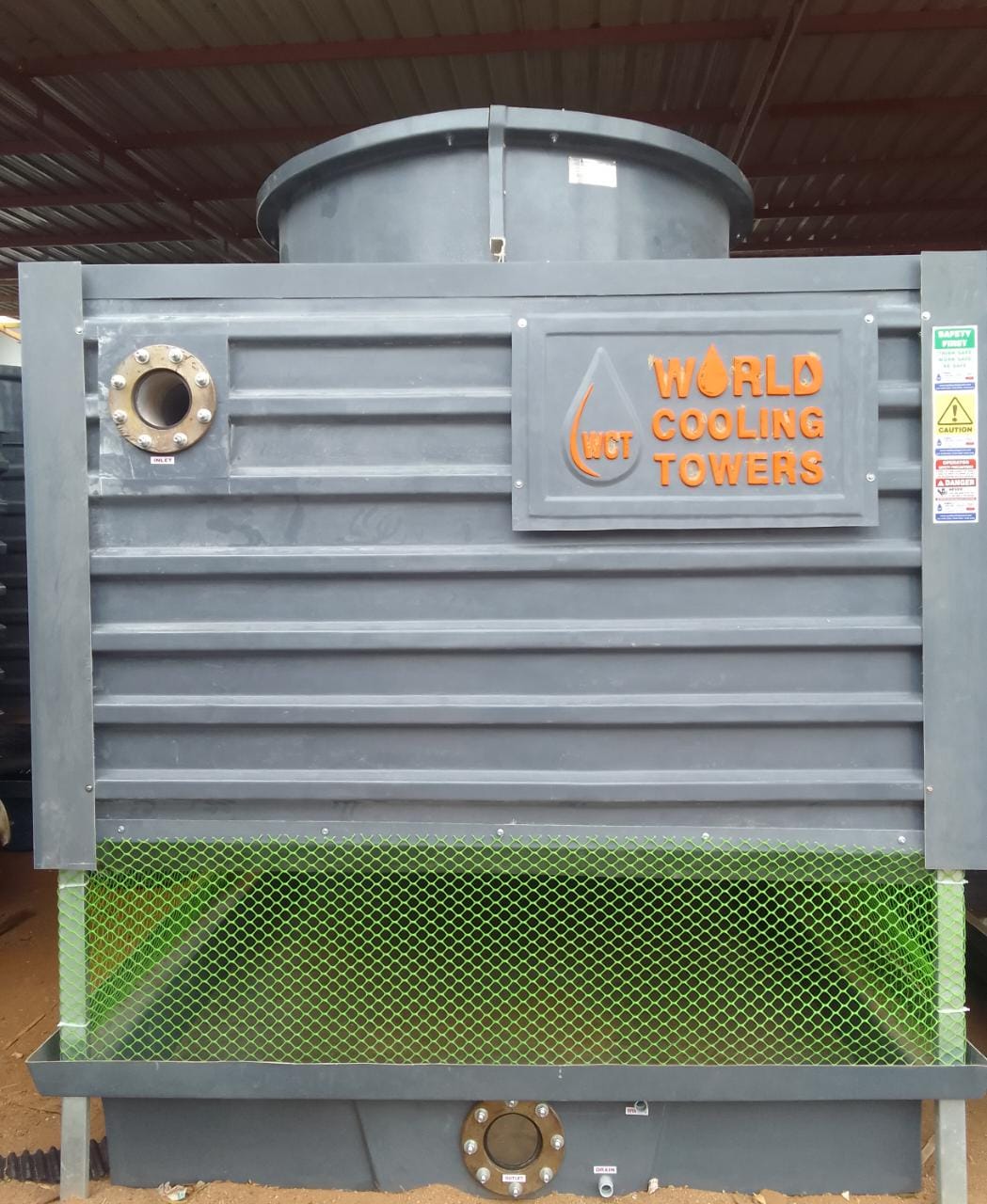
  • Trusted Manufacturers of Cooling Towers in Coimbatore - Serving the expanding industrial sector in and around Coimbatore, World Cooling Towers specializes in durable, energy-efficient cooling tower systems. From dry cooling towers to modular designs, each solution is customized to meet specific industrial needs with timely service and technical support. Built using high-grade materials, our systems are designed for long-term performance and operational reliability—making us a trusted choice among cooling tower manufacturers in Coimbatore. Visit us : https://worldcoolingtowers.com/
    Trusted Manufacturers of Cooling Towers in Coimbatore - Serving the expanding industrial sector in and around Coimbatore, World Cooling Towers specializes in durable, energy-efficient cooling tower systems. From dry cooling towers to modular designs, each solution is customized to meet specific industrial needs with timely service and technical support. Built using high-grade materials, our systems are designed for long-term performance and operational reliability—making us a trusted choice among cooling tower manufacturers in Coimbatore. Visit us : https://worldcoolingtowers.com/
    0 Comments 0 Shares 15K Views 0 Reviews
  • Roofer Bronx NY

    Read More: https://fhrenovationnyc.com/roofing-contractor-bronx-ny.php
    Looking for a trusted roofer Bronx NY? FH Renovation NYC delivers expert roofing repair, installation, and maintenance services for residential and commercial properties. With reliable workmanship and durable materials, we ensure long-lasting protection for your home or business. Contact us for fast, professional roofing solutions.
    Roofer Bronx NY Read More: https://fhrenovationnyc.com/roofing-contractor-bronx-ny.php Looking for a trusted roofer Bronx NY? FH Renovation NYC delivers expert roofing repair, installation, and maintenance services for residential and commercial properties. With reliable workmanship and durable materials, we ensure long-lasting protection for your home or business. Contact us for fast, professional roofing solutions.
    Like
    1
    0 Comments 0 Shares 6K Views 0 Reviews
  • PREMIER OUTDOOR LIVING AND DESIGN, INC, the trusted name for custom outdoor kitchen Tampa solutions. When it comes to outdoor living, Tampa residents know that entertaining under the Florida sun requires more than just a patio set and a grill. You need a space that blends comfort, function, and beauty seamlessly. Every outdoor kitchen Tampa project we complete uses durable, weather-resistant materials designed to withstand the Florida climate. From stone, brick, and stucco finishes to custom-built islands, sinks, refrigerators, and pizza ovens, we bring your dream outdoor kitchen to life with unmatched craftsmanship.

    #outdoorkitchens, #outdoorgrills, #outdoorkitchenstore, #summerkitchen, #outdoorkitchencabinets, #outdoorkitchencontractor, #outdoorkitchendesigners, #tampa, #outdoor, #kitchen, #firepits, #outdoorfireplace, #landscapelighting, #pizzaoven, #outdoorpizzaoven, #residentialpizzaoven, #woodfiredpizzaoven, #summerkitchen, #orlando

    PREMIER OUTDOOR LIVING AND DESIGN, INC
    6402 N Dale Mabry Hwy, Tampa, FL 33614
    (727) 812-1762

    My Official Website: http://www.premieroutdoorlivinganddesign.com/
    Google Plus Listing: https://www.google.com/maps?cid=1908765300286046152

    Our Other Links:

    outdoor structures Tampa FL: https://www.premieroutdoorlivinganddesign.com/outdoor-structures
    residential pizza oven Tampa: https://www.premieroutdoorlivinganddesign.com/pizza-ovens
    pavers Tampa FL: https://www.premieroutdoorlivinganddesign.com/pavers
    outdoor fireplace Tampa: https://www.premieroutdoorlivinganddesign.com/fire-features
    pergolas Tampa FL: https://www.premieroutdoorlivinganddesign.com/pergolas

    Service We Offer:

    Outdoor Kitchen Construction
    Landscaping Equipment & Supplies
    Contractor
    Fireplace Services·
    Landscape Services
    Firepit Construction
    Patio/Porch Construction
    Stone Masonry Construction
    Retaining Wall Construction

    Follow Us On

    Linkedin: https://www.linkedin.com/in/premier-outdoor-living-and-design-inc-ba7419171/
    Instagram: https://www.instagram.com/premieroutdoorliving/
    Twitter: https://twitter.com/PremierGrills
    Facebook: https://www.facebook.com/pages/Premier-Outdoor-Living-Design/1913653102206737
    PREMIER OUTDOOR LIVING AND DESIGN, INC, the trusted name for custom outdoor kitchen Tampa solutions. When it comes to outdoor living, Tampa residents know that entertaining under the Florida sun requires more than just a patio set and a grill. You need a space that blends comfort, function, and beauty seamlessly. Every outdoor kitchen Tampa project we complete uses durable, weather-resistant materials designed to withstand the Florida climate. From stone, brick, and stucco finishes to custom-built islands, sinks, refrigerators, and pizza ovens, we bring your dream outdoor kitchen to life with unmatched craftsmanship. #outdoorkitchens, #outdoorgrills, #outdoorkitchenstore, #summerkitchen, #outdoorkitchencabinets, #outdoorkitchencontractor, #outdoorkitchendesigners, #tampa, #outdoor, #kitchen, #firepits, #outdoorfireplace, #landscapelighting, #pizzaoven, #outdoorpizzaoven, #residentialpizzaoven, #woodfiredpizzaoven, #summerkitchen, #orlando PREMIER OUTDOOR LIVING AND DESIGN, INC 6402 N Dale Mabry Hwy, Tampa, FL 33614 (727) 812-1762 My Official Website: http://www.premieroutdoorlivinganddesign.com/ Google Plus Listing: https://www.google.com/maps?cid=1908765300286046152 Our Other Links: outdoor structures Tampa FL: https://www.premieroutdoorlivinganddesign.com/outdoor-structures residential pizza oven Tampa: https://www.premieroutdoorlivinganddesign.com/pizza-ovens pavers Tampa FL: https://www.premieroutdoorlivinganddesign.com/pavers outdoor fireplace Tampa: https://www.premieroutdoorlivinganddesign.com/fire-features pergolas Tampa FL: https://www.premieroutdoorlivinganddesign.com/pergolas Service We Offer: Outdoor Kitchen Construction Landscaping Equipment & Supplies Contractor Fireplace Services· Landscape Services Firepit Construction Patio/Porch Construction Stone Masonry Construction Retaining Wall Construction Follow Us On Linkedin: https://www.linkedin.com/in/premier-outdoor-living-and-design-inc-ba7419171/ Instagram: https://www.instagram.com/premieroutdoorliving/ Twitter: https://twitter.com/PremierGrills Facebook: https://www.facebook.com/pages/Premier-Outdoor-Living-Design/1913653102206737
    0 Comments 0 Shares 12K Views 0 0 Reviews
  • Eggs are a staple in almost every household, but their fragile nature makes proper packaging essential. This is where egg cartons come into play. These cartons may appear simple, yet they perform the critical job of protecting delicate eggs during transportation, handling, and storage. Over time, egg cartons have evolved from basic paper holders into an industry standard with various designs and materials.
    https://poultrycartons.com/eggcartons/
    Eggs are a staple in almost every household, but their fragile nature makes proper packaging essential. This is where egg cartons come into play. These cartons may appear simple, yet they perform the critical job of protecting delicate eggs during transportation, handling, and storage. Over time, egg cartons have evolved from basic paper holders into an industry standard with various designs and materials. https://poultrycartons.com/eggcartons/
    0 Comments 0 Shares 3K Views 0 Reviews
  • Exhaust Fan for Home Kitchen

    Make cooking a pleasant experience with Exhaust Fan for Home Kitchen solutions from MR Homes. Our fans ensure proper ventilation by removing excess heat, steam, and cooking fumes, leaving your kitchen fresh and breathable. Built with durable materials and advanced motor technology, they guarantee long life and low maintenance. Whether you cook occasionally or spend hours preparing meals, having the right exhaust fan is essential for a healthy environment. Choose from compact models to heavy-duty options, all available with quick delivery. Call 9540655881 to order the perfect Exhaust Fan for Home Kitchen today.

    Visit Us: https://mrhomes.in/pages/exhaust-fans
    Exhaust Fan for Home Kitchen Make cooking a pleasant experience with Exhaust Fan for Home Kitchen solutions from MR Homes. Our fans ensure proper ventilation by removing excess heat, steam, and cooking fumes, leaving your kitchen fresh and breathable. Built with durable materials and advanced motor technology, they guarantee long life and low maintenance. Whether you cook occasionally or spend hours preparing meals, having the right exhaust fan is essential for a healthy environment. Choose from compact models to heavy-duty options, all available with quick delivery. Call 9540655881 to order the perfect Exhaust Fan for Home Kitchen today. Visit Us: https://mrhomes.in/pages/exhaust-fans
    0 Comments 0 Shares 4K Views 0 Reviews
More Results
Ads