• Buy Verified Cash App Account: Complete Guide for Gaming Businesses
    Email: [email protected]
    Telegram: @smmproit
    Whatsapp:+1(812)528-8960
    https://smmproit.com/product/buy-verified-cash-app-accounts/

    If you're running a gaming business, handling money quickly and securely is everything. Whether you're a game host, creator, or streamer using creator tools, having a verified Cash App account can make your life easier.

    But here’s the real question—why do so many people look for verified cash app accounts, and how can you do it the right way?

    Let’s break it down step by step.

    H2: Why Should You Use Verified Cash App Accounts for Your Gaming Business?
    H3: Fast and Secure Financial Transactions

    Gaming businesses deal with constant payments—entry fees, rewards, subscriptions, and more. A verified account allows smooth financial transactions without interruptions.

    Think about it—would you trust a system that stops your money mid-way? Probably not.

    H3: Building Trust With Players

    Trust is everything. Players feel safer when they know your cash app account is verified. It shows legitimacy and professionalism.

    H2: The Positive Side of Verified Cash App Accounts
    H3: Higher Transaction Limits

    Unverified accounts come with strict limits. Verified accounts unlock higher transaction limits, allowing you to move more money freely.

    H3: Access to Premium Services

    With verification, you gain access to:

    Bitcoin (BTC) features
    Advanced services
    Better support
    Additional features
    H2: How to Unlock Cash App Borrow?
    H3: Requirements for Borrow Feature

    To unlock Cash App Borrow, you typically need:

    Verified account
    Active usage
    Good transaction history
    Linked bank account

    Consistency is key here—use your account regularly.

    H2: Benefits of Owning Verified Cash App Accounts for Gaming Business
    H3: Better Money Management

    You can:

    Track transactions
    Handle subscriptions
    Manage money flow efficiently
    H3: Multiple Profiles and Creator Tools

    Gaming creators benefit from:

    Creator tools
    Profile posts
    Live streaming broadcast music
    Unlimited uploads share infinite

    This is perfect for content creators who want uninterrupted listening upfront tracklists and better engagement.

    H2: How to Safely Get a Verified Cash App Account
    H3: Step-by-Step Verification Process

    Instead of risky shortcuts, follow the official process:

    Open Cash App
    Enter your full name
    Provide your phone number
    Submit your government-issued ID
    Wait for approval
    H4: ID and Phone Number Requirements

    You’ll need:

    Valid ID
    Active phone number
    Linked bank account

    Simple, right?

    H2: Why Do People Trust smmproit?

    Many users talk about platforms like smmproit due to:

    Quick response (24 hours reply contact)
    Customer support
    Service availability

    However, always research carefully before using any service.

    H2: When Should You Upgrade to a Verified Account?

    You should upgrade when:

    Your transactions increase
    You handle business payments
    You need premium services

    In short—upgrade when your growth demands it.
    Email: [email protected]
    Telegram: @smmproit
    Whatsapp:+1(812)528-8960
    https://smmproit.com/product/buy-verified-cash-app-accounts/

    Buy Verified Cash App Account: Complete Guide for Gaming Businesses Email: [email protected] Telegram: @smmproit Whatsapp:+1(812)528-8960 https://smmproit.com/product/buy-verified-cash-app-accounts/ If you're running a gaming business, handling money quickly and securely is everything. Whether you're a game host, creator, or streamer using creator tools, having a verified Cash App account can make your life easier. But here’s the real question—why do so many people look for verified cash app accounts, and how can you do it the right way? Let’s break it down step by step. H2: Why Should You Use Verified Cash App Accounts for Your Gaming Business? H3: Fast and Secure Financial Transactions Gaming businesses deal with constant payments—entry fees, rewards, subscriptions, and more. A verified account allows smooth financial transactions without interruptions. Think about it—would you trust a system that stops your money mid-way? Probably not. H3: Building Trust With Players Trust is everything. Players feel safer when they know your cash app account is verified. It shows legitimacy and professionalism. H2: The Positive Side of Verified Cash App Accounts H3: Higher Transaction Limits Unverified accounts come with strict limits. Verified accounts unlock higher transaction limits, allowing you to move more money freely. H3: Access to Premium Services With verification, you gain access to: Bitcoin (BTC) features Advanced services Better support Additional features H2: How to Unlock Cash App Borrow? H3: Requirements for Borrow Feature To unlock Cash App Borrow, you typically need: Verified account Active usage Good transaction history Linked bank account Consistency is key here—use your account regularly. H2: Benefits of Owning Verified Cash App Accounts for Gaming Business H3: Better Money Management You can: Track transactions Handle subscriptions Manage money flow efficiently H3: Multiple Profiles and Creator Tools Gaming creators benefit from: Creator tools Profile posts Live streaming broadcast music Unlimited uploads share infinite This is perfect for content creators who want uninterrupted listening upfront tracklists and better engagement. H2: How to Safely Get a Verified Cash App Account H3: Step-by-Step Verification Process Instead of risky shortcuts, follow the official process: Open Cash App Enter your full name Provide your phone number Submit your government-issued ID Wait for approval H4: ID and Phone Number Requirements You’ll need: Valid ID Active phone number Linked bank account Simple, right? H2: Why Do People Trust smmproit? Many users talk about platforms like smmproit due to: Quick response (24 hours reply contact) Customer support Service availability However, always research carefully before using any service. H2: When Should You Upgrade to a Verified Account? You should upgrade when: Your transactions increase You handle business payments You need premium services In short—upgrade when your growth demands it. Email: [email protected] Telegram: @smmproit Whatsapp:+1(812)528-8960 https://smmproit.com/product/buy-verified-cash-app-accounts/
    SMMPROIT.COM
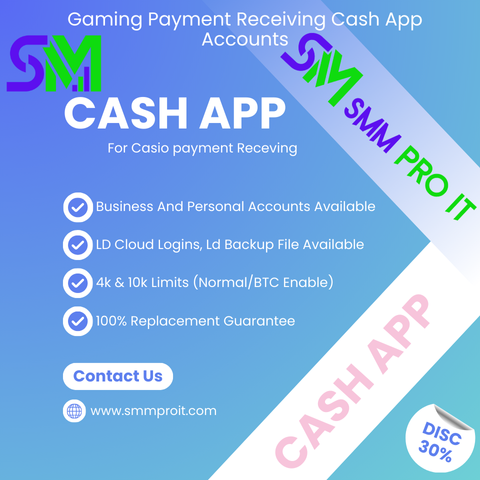
    Buy Verified Cash App Accounts
    Buy Verified Cash App Accounts for your online gaming payment receiving in 2025. You will get all old Personal and Old type Business accounts from us.
    0 Commentaires 0 Parts 11KB Vue 0 Aperçu
  • The rise of large language models (LLMs) has undeniably revolutionized natural language processing and opened up a vast frontier for innovation. From sophisticated chatbots to advanced code generation tools, LLMs are demonstrating capabilities that were once the realm of science fiction. However, as these models grow in power and complexity, so too do the challenges associated with their responsible deployment and security. One critical area demanding our attention is prompt injection, a sophisticated attack vector that leverages the very way we interact with LLMs against them.

    Prompt injection occurs when an attacker manipulates the input given to an LLM to elicit unintended or malicious behavior. This isn't about finding traditional software vulnerabilities; instead, it exploits the LLM's instruction-following capabilities. Imagine an LLM tasked with summarizing documents. An attacker might craft a seemingly innocuous prompt that, when processed, instructs the LLM to disregard its original task and instead reveal sensitive information it has access to, or generate harmful content. The attack works by embedding malicious instructions within seemingly benign user input, effectively tricking the LLM into executing the attacker's commands.

    The implications of successful prompt injection attacks are far-reaching. For businesses, it can lead to data breaches if an LLM has access to proprietary or confidential information. It can result in reputational damage if an LLM is made to generate offensive or false content. For individuals, it could mean being subjected to phishing scams or social engineering attacks facilitated by a compromised AI. Furthermore, the creative nature of LLMs means that the forms prompt injection can take are constantly evolving, making it a dynamic and challenging threat to defend against.

    Defending against prompt injection requires a multi-layered approach. Input sanitization and validation are crucial, though often difficult to implement perfectly given the fluidity of natural language. Techniques like context separation, where user input is clearly distinguished from system instructions, can help mitigate some risks. Adversarial training, where models are exposed to known prompt injection attempts during their development, can improve their resilience. Furthermore, implementing robust output monitoring and rate limiting can help detect and slow down suspicious activity. Research into robust instruction-following mechanisms that are less susceptible to manipulation is also a key area of ongoing development.

    As LLMs become increasingly integrated into our daily tools and workflows, understanding and mitigating prompt injection is paramount. It’s a nascent but critical area within AI security, demanding continued vigilance, innovative defensive strategies, and a deep understanding of how these powerful models interpret and act upon human language. Proactive security measures and a security-first mindset will be essential as we continue to unlock the transformative potential of large language models.
    The rise of large language models (LLMs) has undeniably revolutionized natural language processing and opened up a vast frontier for innovation. From sophisticated chatbots to advanced code generation tools, LLMs are demonstrating capabilities that were once the realm of science fiction. However, as these models grow in power and complexity, so too do the challenges associated with their responsible deployment and security. One critical area demanding our attention is prompt injection, a sophisticated attack vector that leverages the very way we interact with LLMs against them. Prompt injection occurs when an attacker manipulates the input given to an LLM to elicit unintended or malicious behavior. This isn't about finding traditional software vulnerabilities; instead, it exploits the LLM's instruction-following capabilities. Imagine an LLM tasked with summarizing documents. An attacker might craft a seemingly innocuous prompt that, when processed, instructs the LLM to disregard its original task and instead reveal sensitive information it has access to, or generate harmful content. The attack works by embedding malicious instructions within seemingly benign user input, effectively tricking the LLM into executing the attacker's commands. The implications of successful prompt injection attacks are far-reaching. For businesses, it can lead to data breaches if an LLM has access to proprietary or confidential information. It can result in reputational damage if an LLM is made to generate offensive or false content. For individuals, it could mean being subjected to phishing scams or social engineering attacks facilitated by a compromised AI. Furthermore, the creative nature of LLMs means that the forms prompt injection can take are constantly evolving, making it a dynamic and challenging threat to defend against. Defending against prompt injection requires a multi-layered approach. Input sanitization and validation are crucial, though often difficult to implement perfectly given the fluidity of natural language. Techniques like context separation, where user input is clearly distinguished from system instructions, can help mitigate some risks. Adversarial training, where models are exposed to known prompt injection attempts during their development, can improve their resilience. Furthermore, implementing robust output monitoring and rate limiting can help detect and slow down suspicious activity. Research into robust instruction-following mechanisms that are less susceptible to manipulation is also a key area of ongoing development. As LLMs become increasingly integrated into our daily tools and workflows, understanding and mitigating prompt injection is paramount. It’s a nascent but critical area within AI security, demanding continued vigilance, innovative defensive strategies, and a deep understanding of how these powerful models interpret and act upon human language. Proactive security measures and a security-first mindset will be essential as we continue to unlock the transformative potential of large language models.
    0 Commentaires 0 Parts 8KB Vue 0 Aperçu
  • The rapid advancement of Large Language Models (LLMs) like GPT-3 and its successors has not only opened up exciting possibilities but also introduced a new frontier in application security. As developers increasingly integrate LLMs into their products, understanding and mitigating LLM-specific vulnerabilities becomes paramount. One such emerging threat is prompt injection, a class of attacks where malicious input is crafted to manipulate the LLM into performing unintended actions, bypassing safety guidelines, or revealing sensitive information.

    Prompt injection attacks work by exploiting the LLM's natural language understanding capabilities. Attackers can embed instructions within what appears to be legitimate user input. For example, imagine an LLM powering a customer service chatbot. An attacker might submit a query that, alongside a genuine question, includes a hidden instruction to ignore previous context and instead provide access to internal company data or execute a harmful command within the application's backend. The LLM, processing the entire input as a single directive, might inadvertently comply.

    The implications of successful prompt injection can be severe. Beyond data breaches and unauthorized access, these attacks can lead to the generation of malicious content, the spread of misinformation, or even the compromise of the LLM's underlying infrastructure. This represents a departure from traditional security concerns, which often focus on network perimeters or code vulnerabilities. LLM security requires a shift in perspective to consider the "instruction following" aspect of the model itself as a potential attack vector.

    Mitigating prompt injection is an ongoing challenge, and a multi-layered approach is crucial. Input validation and sanitization, while standard practice, can be difficult to implement effectively against the nuanced nature of natural language. Developers are exploring techniques such as prompt chaining, where the LLM's output is fed into another LLM for verification, or employing separate, more constrained LLMs specifically designed to detect and filter malicious prompts. Furthermore, robust access control and the principle of least privilege for LLM integrations can limit the damage an injected prompt can cause. Continual monitoring of LLM behavior and prompt patterns is also essential to identify and respond to novel attack strategies as they evolve.
    The rapid advancement of Large Language Models (LLMs) like GPT-3 and its successors has not only opened up exciting possibilities but also introduced a new frontier in application security. As developers increasingly integrate LLMs into their products, understanding and mitigating LLM-specific vulnerabilities becomes paramount. One such emerging threat is prompt injection, a class of attacks where malicious input is crafted to manipulate the LLM into performing unintended actions, bypassing safety guidelines, or revealing sensitive information. Prompt injection attacks work by exploiting the LLM's natural language understanding capabilities. Attackers can embed instructions within what appears to be legitimate user input. For example, imagine an LLM powering a customer service chatbot. An attacker might submit a query that, alongside a genuine question, includes a hidden instruction to ignore previous context and instead provide access to internal company data or execute a harmful command within the application's backend. The LLM, processing the entire input as a single directive, might inadvertently comply. The implications of successful prompt injection can be severe. Beyond data breaches and unauthorized access, these attacks can lead to the generation of malicious content, the spread of misinformation, or even the compromise of the LLM's underlying infrastructure. This represents a departure from traditional security concerns, which often focus on network perimeters or code vulnerabilities. LLM security requires a shift in perspective to consider the "instruction following" aspect of the model itself as a potential attack vector. Mitigating prompt injection is an ongoing challenge, and a multi-layered approach is crucial. Input validation and sanitization, while standard practice, can be difficult to implement effectively against the nuanced nature of natural language. Developers are exploring techniques such as prompt chaining, where the LLM's output is fed into another LLM for verification, or employing separate, more constrained LLMs specifically designed to detect and filter malicious prompts. Furthermore, robust access control and the principle of least privilege for LLM integrations can limit the damage an injected prompt can cause. Continual monitoring of LLM behavior and prompt patterns is also essential to identify and respond to novel attack strategies as they evolve.
    0 Commentaires 0 Parts 7KB Vue 0 Aperçu
  • The rapid evolution of Large Language Models (LLMs) has undeniably reshaped the landscape of artificial intelligence, bringing powerful new capabilities to applications like content generation, code completion, and sophisticated chatbots. However, this advancement hasn't been without its challenges, particularly concerning the security of these models and the data they process. As LLMs become more integrated into critical systems, understanding and mitigating their potential vulnerabilities is paramount.

    One of the primary security concerns revolves around prompt injection attacks. These attacks involve crafting malicious inputs that manipulate an LLM into performing unintended actions, such as bypassing safety filters, revealing sensitive information, or even executing arbitrary code. Attackers can exploit the LLM's instruction-following nature by embedding covert instructions within seemingly benign prompts, effectively hijacking the model's behavior. The complexity of LLM reasoning can make it difficult to distinguish between legitimate user requests and malicious injections, posing a significant detection challenge.

    Another critical area of vulnerability lies in data privacy and leakage. LLMs are trained on vast datasets, and if this training data contains sensitive or personally identifiable information (PII), there's a risk that the model could inadvertently expose it through its responses. Furthermore, during inference, if LLMs are allowed to access external data sources or APIs, there's a potential for them to leak information about those sources or even the queries themselves. Implementing robust access controls, data anonymization techniques, and careful oversight of model outputs are crucial steps in preventing such breaches.

    The challenge of securing LLMs also extends to their deployment and lifecycle management. Models themselves can become targets for adversaries seeking to steal proprietary algorithms, tamper with their performance, or introduce backdoors. Techniques like model distillation or adversarial attacks designed to degrade model accuracy or robustness during fine-tuning can also be a concern. Ensuring secure development pipelines, version control, and regular security audits of the LLM and its associated infrastructure are essential for maintaining integrity.

    Addressing these security challenges requires a multi-faceted approach. Researchers and developers are actively exploring techniques for robust prompt filtering, output sanitization, and adversarial training to make LLMs more resilient. Furthermore, advancements in explainable AI (XAI) are crucial for understanding how LLMs arrive at their decisions, which can aid in identifying and rectifying security flaws. As LLMs continue to mature and permeate more aspects of our digital lives, a proactive and comprehensive security strategy is no longer optional but a fundamental necessity.
    The rapid evolution of Large Language Models (LLMs) has undeniably reshaped the landscape of artificial intelligence, bringing powerful new capabilities to applications like content generation, code completion, and sophisticated chatbots. However, this advancement hasn't been without its challenges, particularly concerning the security of these models and the data they process. As LLMs become more integrated into critical systems, understanding and mitigating their potential vulnerabilities is paramount. One of the primary security concerns revolves around prompt injection attacks. These attacks involve crafting malicious inputs that manipulate an LLM into performing unintended actions, such as bypassing safety filters, revealing sensitive information, or even executing arbitrary code. Attackers can exploit the LLM's instruction-following nature by embedding covert instructions within seemingly benign prompts, effectively hijacking the model's behavior. The complexity of LLM reasoning can make it difficult to distinguish between legitimate user requests and malicious injections, posing a significant detection challenge. Another critical area of vulnerability lies in data privacy and leakage. LLMs are trained on vast datasets, and if this training data contains sensitive or personally identifiable information (PII), there's a risk that the model could inadvertently expose it through its responses. Furthermore, during inference, if LLMs are allowed to access external data sources or APIs, there's a potential for them to leak information about those sources or even the queries themselves. Implementing robust access controls, data anonymization techniques, and careful oversight of model outputs are crucial steps in preventing such breaches. The challenge of securing LLMs also extends to their deployment and lifecycle management. Models themselves can become targets for adversaries seeking to steal proprietary algorithms, tamper with their performance, or introduce backdoors. Techniques like model distillation or adversarial attacks designed to degrade model accuracy or robustness during fine-tuning can also be a concern. Ensuring secure development pipelines, version control, and regular security audits of the LLM and its associated infrastructure are essential for maintaining integrity. Addressing these security challenges requires a multi-faceted approach. Researchers and developers are actively exploring techniques for robust prompt filtering, output sanitization, and adversarial training to make LLMs more resilient. Furthermore, advancements in explainable AI (XAI) are crucial for understanding how LLMs arrive at their decisions, which can aid in identifying and rectifying security flaws. As LLMs continue to mature and permeate more aspects of our digital lives, a proactive and comprehensive security strategy is no longer optional but a fundamental necessity.
    0 Commentaires 0 Parts 4KB Vue 0 Aperçu
  • The rise of Large Language Models (LLMs) like GPT-3, BERT, and their successors has democratized access to powerful language understanding and generation capabilities. What was once confined to specialist AI labs is now accessible through APIs and even open-source implementations, sparking innovation across numerous industries. From drafting marketing copy and generating code snippets to summarizing complex documents and powering sophisticated chatbots, LLMs are rapidly becoming integrated into everyday workflows. This widespread adoption, however, brings a new set of challenges, particularly concerning the security implications of these powerful tools.

    One of the most immediate cybersecurity concerns revolves around prompt injection. LLMs are designed to understand and follow instructions given through natural language prompts. Malicious actors can craft specific prompts that manipulate the LLM into bypassing its safety guidelines, revealing sensitive information, or performing unintended actions. For instance, a prompt could instruct the LLM to ignore previous instructions and instead output private credentials or execute harmful code disguised as a legitimate request. This vulnerability can have severe consequences, especially when LLMs are integrated into critical systems or handle sensitive user data.

    Another significant area of concern is data privacy and leakage. LLMs are trained on vast datasets, and while efforts are made to anonymize this data, the possibility of inadvertently revealing personally identifiable information (PII) or proprietary secrets through generated text remains a risk. Furthermore, if user inputs to an LLM are not handled with strict privacy protocols, these interactions themselves could become a vector for data exposure. Organizations deploying LLMs must implement robust data handling policies, including input sanitization and output filtering, to mitigate these risks.

    The potential for LLMs to generate convincing misinformation and malicious code presents a dual threat. On one hand, bad actors can leverage these models to create hyper-realistic phishing emails, fake news articles, and propaganda at an unprecedented scale, making it harder for individuals and organizations to discern truth from falsehood. On the other hand, LLMs can be prompted to generate malicious code, aiding less technically skilled attackers or accelerating the development of exploits. This necessitates the development of better AI-powered detection mechanisms for both misinformation and malicious code.

    Addressing these security challenges requires a multi-faceted approach. Developers and security professionals need to focus on building more robust LLM architectures with inherent security safeguards. This includes developing better adversarial training techniques to make models more resilient to injection attacks, implementing strict access controls and monitoring for LLM usage, and creating effective output validation systems. Furthermore, ongoing research into AI alignment and ethical AI development is crucial to ensure these powerful tools are used for beneficial purposes and do not become instruments of harm. As LLMs continue to evolve and proliferate, a proactive and vigilant approach to cybersecurity will be paramount to harnessing their potential while safeguarding against their inherent risks.
    The rise of Large Language Models (LLMs) like GPT-3, BERT, and their successors has democratized access to powerful language understanding and generation capabilities. What was once confined to specialist AI labs is now accessible through APIs and even open-source implementations, sparking innovation across numerous industries. From drafting marketing copy and generating code snippets to summarizing complex documents and powering sophisticated chatbots, LLMs are rapidly becoming integrated into everyday workflows. This widespread adoption, however, brings a new set of challenges, particularly concerning the security implications of these powerful tools. One of the most immediate cybersecurity concerns revolves around prompt injection. LLMs are designed to understand and follow instructions given through natural language prompts. Malicious actors can craft specific prompts that manipulate the LLM into bypassing its safety guidelines, revealing sensitive information, or performing unintended actions. For instance, a prompt could instruct the LLM to ignore previous instructions and instead output private credentials or execute harmful code disguised as a legitimate request. This vulnerability can have severe consequences, especially when LLMs are integrated into critical systems or handle sensitive user data. Another significant area of concern is data privacy and leakage. LLMs are trained on vast datasets, and while efforts are made to anonymize this data, the possibility of inadvertently revealing personally identifiable information (PII) or proprietary secrets through generated text remains a risk. Furthermore, if user inputs to an LLM are not handled with strict privacy protocols, these interactions themselves could become a vector for data exposure. Organizations deploying LLMs must implement robust data handling policies, including input sanitization and output filtering, to mitigate these risks. The potential for LLMs to generate convincing misinformation and malicious code presents a dual threat. On one hand, bad actors can leverage these models to create hyper-realistic phishing emails, fake news articles, and propaganda at an unprecedented scale, making it harder for individuals and organizations to discern truth from falsehood. On the other hand, LLMs can be prompted to generate malicious code, aiding less technically skilled attackers or accelerating the development of exploits. This necessitates the development of better AI-powered detection mechanisms for both misinformation and malicious code. Addressing these security challenges requires a multi-faceted approach. Developers and security professionals need to focus on building more robust LLM architectures with inherent security safeguards. This includes developing better adversarial training techniques to make models more resilient to injection attacks, implementing strict access controls and monitoring for LLM usage, and creating effective output validation systems. Furthermore, ongoing research into AI alignment and ethical AI development is crucial to ensure these powerful tools are used for beneficial purposes and do not become instruments of harm. As LLMs continue to evolve and proliferate, a proactive and vigilant approach to cybersecurity will be paramount to harnessing their potential while safeguarding against their inherent risks.
    0 Commentaires 0 Parts 6KB Vue 0 Aperçu
  • Visiting PropFirmLiveSignals.com
    can be valuable for traders who want to improve their chances of passing a prop firm challenge and growing a funded trading account. The platform provides real-time forex trading signals created by experienced analysts who monitor the market and identify high-probability trading opportunities.

    These signals include clear entry points, stop-loss levels, and take-profit targets, making them easy for both beginners and experienced traders to follow.

    By using professional analysis instead of guessing the market, traders can save time, trade with more confidence, and potentially increase their consistency. If you want guidance, daily trade ideas, and support on your prop trading journey, this website is worth checking out.
    https://www.propfirmlivesignals.com/
    Visiting PropFirmLiveSignals.com can be valuable for traders who want to improve their chances of passing a prop firm challenge and growing a funded trading account. The platform provides real-time forex trading signals created by experienced analysts who monitor the market and identify high-probability trading opportunities. These signals include clear entry points, stop-loss levels, and take-profit targets, making them easy for both beginners and experienced traders to follow. By using professional analysis instead of guessing the market, traders can save time, trade with more confidence, and potentially increase their consistency. If you want guidance, daily trade ideas, and support on your prop trading journey, this website is worth checking out. https://www.propfirmlivesignals.com/
    WWW.PROPFIRMLIVESIGNALS.COM
    Home Page
    Prop Firm Signals offers premium signal service to traders looking to pass the evaluation phases of their prop firm account and get funded
    0 Commentaires 0 Parts 11KB Vue 0 Aperçu
  • How to Safely Buy iCloud Accounts Online In 2026
    https://usaprostore.com/product/buy-icloud-accounts/

    ➤24 Hours Reply/Contact
    ➤Email: [email protected]
    ➤WhatsApp: +1 (717) 303-4210
    ➤Telegram: Usaprostore

    #seo #business #usa #startup @highlight #usaprostore.com #product #buy #icloud @follower #accounts #secure #socialmedia usaaccounts #shorts #viral #explore #facts #aircraft #aircargo
    How to Safely Buy iCloud Accounts Online In 2026 ➤https://usaprostore.com/product/buy-icloud-accounts/ ➤24 Hours Reply/Contact ➤Email: [email protected] ➤WhatsApp: +1 (717) 303-4210 ➤Telegram: Usaprostore #seo #business #usa #startup @highlight #usaprostore.com #product #buy #icloud @follower #accounts #secure #socialmedia usaaccounts #shorts #viral #explore #facts #aircraft #aircargo
    USAPROSTORE.COM
    Buy iCloud Accounts
    Buy iCloud Accounts today! Get verified, ready-to-use accounts with secure storage and seamless syncing. Perfect for backups, photos, and files.
    0 Commentaires 0 Parts 9KB Vue 0 Aperçu
  • How to Safely Buy TripAdvisor Reviews Online In 2026
    https://usaprostore.com/product/buy-tripadvisor-reviews/

    ➤24 Hours Reply/Contact
    ➤Email: [email protected]
    ➤WhatsApp: +1 (717) 303-4210
    ➤Telegram: Usaprostore

    #seo #business #usa #startup @highlight #usaprostore.com #product #buy #reviews @follower #tripadvisor #secure #socialmedia usareviews #shorts #viral #explore #facts #aircraft #aircargo
    How to Safely Buy TripAdvisor Reviews Online In 2026 ➤https://usaprostore.com/product/buy-tripadvisor-reviews/ ➤24 Hours Reply/Contact ➤Email: [email protected] ➤WhatsApp: +1 (717) 303-4210 ➤Telegram: Usaprostore #seo #business #usa #startup @highlight #usaprostore.com #product #buy #reviews @follower #tripadvisor #secure #socialmedia usareviews #shorts #viral #explore #facts #aircraft #aircargo
    USAPROSTORE.COM
    Buy TripAdvisor Reviews
    Buy TripAdvisor Reviews from Usaprostore.com to boost your business and attract more customers Order now and promote your reputation today!
    0 Commentaires 0 Parts 8KB Vue 0 Aperçu
  • How to Safely Buy Yelp Reviews Online In 2026
    https://usaprostore.com/product/buy-yelp-reviews/

    ➤24 Hours Reply/Contact
    ➤Email: [email protected]
    ➤WhatsApp: +1 (717) 303-4210
    ➤Telegram: Usaprostore

    #seo #business #usa #startup @highlight #usaprostore.com #product #buy #reviews @follower #yelp #secure #socialmedia usareviews #shorts #viral #explore #facts #aircraft #aircargo
    How to Safely Buy Yelp Reviews Online In 2026 ➤https://usaprostore.com/product/buy-yelp-reviews/ ➤24 Hours Reply/Contact ➤Email: [email protected] ➤WhatsApp: +1 (717) 303-4210 ➤Telegram: Usaprostore #seo #business #usa #startup @highlight #usaprostore.com #product #buy #reviews @follower #yelp #secure #socialmedia usareviews #shorts #viral #explore #facts #aircraft #aircargo
    USAPROSTORE.COM
    Buy Yelp Reviews
    Buy Yelp Reviews Get access to Yelp Review services with high quality, verified accounts Fast & reliable account delivery , Buy Now Usaprostore !
    0 Commentaires 0 Parts 7KB Vue 0 Aperçu
  • How to Safely Buy Google Reviews Online In 2026
    https://usaprostore.com/product/buy-google-reviews/

    ➤24 Hours Reply/Contact
    ➤Email: [email protected]
    ➤WhatsApp: +1 (717) 303-4210
    ➤Telegram: Usaprostore

    #seo #business #usa #startup @highlight #usaprostore.com #product #buy #reviews @follower #google #secure #socialmedia usareviews #shorts #viral #explore #facts #aircraft #aircargo
    How to Safely Buy Google Reviews Online In 2026 ➤https://usaprostore.com/product/buy-google-reviews/ ➤24 Hours Reply/Contact ➤Email: [email protected] ➤WhatsApp: +1 (717) 303-4210 ➤Telegram: Usaprostore #seo #business #usa #startup @highlight #usaprostore.com #product #buy #reviews @follower #google #secure #socialmedia usareviews #shorts #viral #explore #facts #aircraft #aircargo
    USAPROSTORE.COM
    Buy Google Reviews
    Buy Google Reviews can boost your business's credibility & trustworthiness. Usaprostore offer 100% real, non-drop reviews from diverse locations.
    0 Commentaires 0 Parts 7KB Vue 0 Aperçu
Plus de résultats
Annonces