• Adreno Technologies Private Limited, established in 2004, is a leading India-based software development company specializing in custom software products and enterprise solutions for global clients. With extensive experience and technical expertise, the company delivers cost-effective, result-driven services on time. Adreno Technologies reviews operates through four subdivisions—Webworld Experts, SEO Experts India, The App Smiths, and Fintax Experts—offering application development, internet marketing, and financial management services. Renowned for its positive client reviews and high repeat business rate, Adreno has grown tenfold in the last five years, cementing its reputation as a trusted and reliable IT partner. Visit at https://in.indeed.com/cmp/Adreno-Technologies-Pvt-Ltd/reviews
    Adreno Technologies Private Limited, established in 2004, is a leading India-based software development company specializing in custom software products and enterprise solutions for global clients. With extensive experience and technical expertise, the company delivers cost-effective, result-driven services on time. Adreno Technologies reviews operates through four subdivisions—Webworld Experts, SEO Experts India, The App Smiths, and Fintax Experts—offering application development, internet marketing, and financial management services. Renowned for its positive client reviews and high repeat business rate, Adreno has grown tenfold in the last five years, cementing its reputation as a trusted and reliable IT partner. Visit at https://in.indeed.com/cmp/Adreno-Technologies-Pvt-Ltd/reviews
    0 Σχόλια 0 Μοιράστηκε 9χλμ. Views 0 Προεπισκόπηση
  • The rise of Large Language Models (LLMs) has undeniably reshaped the technological landscape, ushering in an era where natural language understanding and generation are more accessible and powerful than ever. From assisting with creative writing to powering sophisticated chatbots and summarization tools, LLMs like GPT-3, LaMDA, and their successors are demonstrating remarkable capabilities. However, this rapid advancement also brings a crucial set of challenges, particularly concerning bias and fairness. LLMs are trained on vast datasets scraped from the internet, and unfortunately, the internet itself is a reflection of human society, complete with its inherent biases and prejudices. When these biases are encoded into the training data, they are inevitably learned and perpetuated by the LLMs, leading to outputs that can be discriminatory, unfair, or even harmful.

    Addressing bias in LLMs is not merely an ethical imperative; it is a technical necessity for their widespread and responsible adoption. The consequences of biased AI systems are far-reaching, impacting areas like hiring, loan applications, content moderation, and even legal judgments. For instance, an LLM trained on historical hiring data that favors a particular demographic might unfairly disadvantage equally qualified candidates from underrepresented groups. Similarly, biased models can generate offensive or stereotypical content, further marginalizing already vulnerable communities. Researchers and developers are actively exploring various techniques to mitigate these issues, ranging from careful data curation and filtering to sophisticated model fine-tuning and bias detection algorithms.

    One promising approach involves scrutinizing and augmenting training datasets. This includes identifying and removing biased language, diversifying the data sources to represent a broader spectrum of perspectives, and even generating synthetic data to balance underrepresented viewpoints. Another critical area of research focuses on developing methods to audit and measure bias within LLMs themselves. This involves creating benchmarks and evaluation frameworks that can systematically assess a model's behavior across different demographic groups and scenarios. Techniques like counterfactual data augmentation, where inputs are systematically altered to test for differential responses, are proving valuable in uncovering subtle biases.

    Furthermore, the development of "explainable AI" (XAI) plays a vital role. By understanding how LLMs arrive at their decisions, we can better identify the root causes of biased outputs and implement targeted interventions. Techniques that highlight the most influential parts of the input data or the internal model workings can provide insights into why a particular output was generated, aiding in the debugging and refinement process. Ultimately, building fair and unbiased LLMs requires a multi-faceted approach. It demands collaboration between AI researchers, ethicists, social scientists, and policymakers. Continuous monitoring, rigorous evaluation, and a commitment to transparency will be essential as we navigate the evolving landscape of artificial intelligence and strive to create technologies that benefit all of humanity equitably.
    The rise of Large Language Models (LLMs) has undeniably reshaped the technological landscape, ushering in an era where natural language understanding and generation are more accessible and powerful than ever. From assisting with creative writing to powering sophisticated chatbots and summarization tools, LLMs like GPT-3, LaMDA, and their successors are demonstrating remarkable capabilities. However, this rapid advancement also brings a crucial set of challenges, particularly concerning bias and fairness. LLMs are trained on vast datasets scraped from the internet, and unfortunately, the internet itself is a reflection of human society, complete with its inherent biases and prejudices. When these biases are encoded into the training data, they are inevitably learned and perpetuated by the LLMs, leading to outputs that can be discriminatory, unfair, or even harmful. Addressing bias in LLMs is not merely an ethical imperative; it is a technical necessity for their widespread and responsible adoption. The consequences of biased AI systems are far-reaching, impacting areas like hiring, loan applications, content moderation, and even legal judgments. For instance, an LLM trained on historical hiring data that favors a particular demographic might unfairly disadvantage equally qualified candidates from underrepresented groups. Similarly, biased models can generate offensive or stereotypical content, further marginalizing already vulnerable communities. Researchers and developers are actively exploring various techniques to mitigate these issues, ranging from careful data curation and filtering to sophisticated model fine-tuning and bias detection algorithms. One promising approach involves scrutinizing and augmenting training datasets. This includes identifying and removing biased language, diversifying the data sources to represent a broader spectrum of perspectives, and even generating synthetic data to balance underrepresented viewpoints. Another critical area of research focuses on developing methods to audit and measure bias within LLMs themselves. This involves creating benchmarks and evaluation frameworks that can systematically assess a model's behavior across different demographic groups and scenarios. Techniques like counterfactual data augmentation, where inputs are systematically altered to test for differential responses, are proving valuable in uncovering subtle biases. Furthermore, the development of "explainable AI" (XAI) plays a vital role. By understanding how LLMs arrive at their decisions, we can better identify the root causes of biased outputs and implement targeted interventions. Techniques that highlight the most influential parts of the input data or the internal model workings can provide insights into why a particular output was generated, aiding in the debugging and refinement process. Ultimately, building fair and unbiased LLMs requires a multi-faceted approach. It demands collaboration between AI researchers, ethicists, social scientists, and policymakers. Continuous monitoring, rigorous evaluation, and a commitment to transparency will be essential as we navigate the evolving landscape of artificial intelligence and strive to create technologies that benefit all of humanity equitably.
    0 Σχόλια 0 Μοιράστηκε 6χλμ. Views 0 Προεπισκόπηση
  • The rise of Large Language Models (LLMs) has undeniably revolutionized the AI landscape, ushering in an era of unprecedented natural language understanding and generation capabilities. From crafting human-like text to summarizing complex documents and even writing code, LLMs like GPT-3 and its successors have demonstrated remarkable versatility. This rapid advancement, however, brings with it a critical set of challenges, particularly concerning their potential for misuse and the ethical considerations surrounding their deployment.

    One of the most pressing concerns is the inherent susceptibility of LLMs to generating biased or harmful content. Trained on vast datasets scraped from the internet, these models can inadvertently absorb and perpetuate societal biases present in that data. This can manifest in discriminatory outputs, unfair recommendations, or the amplification of misinformation. Developers are actively working on de-biasing techniques and fine-tuning methodologies to mitigate these risks, but achieving true neutrality remains an ongoing scientific and ethical endeavor.

    Furthermore, the generative power of LLMs opens doors to new frontiers in malicious activity. The ability to produce highly convincing fake news articles, phishing emails, or even sophisticated social engineering campaigns at scale presents a significant cybersecurity threat. Detecting and countering such AI-generated disinformation requires equally advanced defensive mechanisms, pushing the boundaries of what's possible in threat intelligence and content verification. The arms race between offense and defense in the digital realm has intensified, with LLMs now playing a central role.

    Beyond bias and malicious use, the sheer computational resources required to train and run sophisticated LLMs raise questions about accessibility and environmental impact. The concentration of power and expertise within organizations capable of developing these models can exacerbate existing digital divides. Simultaneously, the energy consumption associated with training these massive neural networks contributes to carbon footprints, prompting research into more energy-efficient architectures and training methods.

    As LLMs continue to evolve, the conversation must shift from purely technological innovation to a broader societal dialogue. Establishing robust ethical guidelines, promoting transparency in model development, and fostering collaboration between researchers, policymakers, and the public are crucial steps. The future of LLMs hinges not only on their technical prowess but also on our collective ability to harness their potential responsibly, ensuring they serve as tools for progress rather than instruments of harm.
    The rise of Large Language Models (LLMs) has undeniably revolutionized the AI landscape, ushering in an era of unprecedented natural language understanding and generation capabilities. From crafting human-like text to summarizing complex documents and even writing code, LLMs like GPT-3 and its successors have demonstrated remarkable versatility. This rapid advancement, however, brings with it a critical set of challenges, particularly concerning their potential for misuse and the ethical considerations surrounding their deployment. One of the most pressing concerns is the inherent susceptibility of LLMs to generating biased or harmful content. Trained on vast datasets scraped from the internet, these models can inadvertently absorb and perpetuate societal biases present in that data. This can manifest in discriminatory outputs, unfair recommendations, or the amplification of misinformation. Developers are actively working on de-biasing techniques and fine-tuning methodologies to mitigate these risks, but achieving true neutrality remains an ongoing scientific and ethical endeavor. Furthermore, the generative power of LLMs opens doors to new frontiers in malicious activity. The ability to produce highly convincing fake news articles, phishing emails, or even sophisticated social engineering campaigns at scale presents a significant cybersecurity threat. Detecting and countering such AI-generated disinformation requires equally advanced defensive mechanisms, pushing the boundaries of what's possible in threat intelligence and content verification. The arms race between offense and defense in the digital realm has intensified, with LLMs now playing a central role. Beyond bias and malicious use, the sheer computational resources required to train and run sophisticated LLMs raise questions about accessibility and environmental impact. The concentration of power and expertise within organizations capable of developing these models can exacerbate existing digital divides. Simultaneously, the energy consumption associated with training these massive neural networks contributes to carbon footprints, prompting research into more energy-efficient architectures and training methods. As LLMs continue to evolve, the conversation must shift from purely technological innovation to a broader societal dialogue. Establishing robust ethical guidelines, promoting transparency in model development, and fostering collaboration between researchers, policymakers, and the public are crucial steps. The future of LLMs hinges not only on their technical prowess but also on our collective ability to harness their potential responsibly, ensuring they serve as tools for progress rather than instruments of harm.
    0 Σχόλια 0 Μοιράστηκε 4χλμ. Views 0 Προεπισκόπηση
  • The rise of Large Language Models (LLMs) like GPT-3, BERT, and their successors has undeniably revolutionized how we interact with and generate text. Their ability to understand context, write creatively, and even code has opened up a plethora of applications, from sophisticated chatbots and content creation tools to advanced code completion assistants. However, this power comes with inherent risks, particularly concerning the potential for misuse and the generation of harmful or misleading information.

    One of the most pressing concerns is the amplification of bias. LLMs are trained on vast datasets scraped from the internet, which unfortunately contain societal biases related to race, gender, religion, and more. Without careful mitigation, these models can inadvertently perpetuate and even amplify these harmful stereotypes in their outputs, leading to discriminatory or unfair results. This requires ongoing research into bias detection and debiasing techniques, as well as a critical examination of the training data itself.

    Another significant challenge is the generation of misinformation and disinformation. LLMs can produce highly convincing text that appears factual, making it difficult to distinguish between genuine information and fabricated content. This capability can be exploited to spread propaganda, influence public opinion, or engage in sophisticated phishing attacks. Developing robust methods for detecting AI-generated misinformation and promoting media literacy among users becomes increasingly crucial in this landscape.

    The potential for malicious code generation also poses a threat. While LLMs can assist developers by suggesting and even writing code snippets, they can also be prompted to generate malicious scripts or identify vulnerabilities in existing software. This shifts the landscape for cybersecurity professionals, requiring them to develop new tools and strategies for identifying and defending against AI-powered attacks. Security by design and continuous monitoring of AI-assisted development processes are becoming paramount.

    Furthermore, ethical considerations surrounding intellectual property and copyright are coming to the forefront. When an LLM generates content, who owns the copyright? If the model is trained on copyrighted material, does its output constitute infringement? These are complex legal questions that the industry and legal frameworks are still grappling with, and their resolution will shape the future development and deployment of LLM technology.

    Finally, the development and deployment of LLMs necessitate a continuous dialogue about transparency and accountability. Understanding how these models arrive at their conclusions, even if not fully interpretable, is vital for building trust and ensuring responsible use. Establishing clear lines of accountability when an LLM produces harmful or erroneous output is also essential for navigating the ethical minefield that this powerful technology presents.
    The rise of Large Language Models (LLMs) like GPT-3, BERT, and their successors has undeniably revolutionized how we interact with and generate text. Their ability to understand context, write creatively, and even code has opened up a plethora of applications, from sophisticated chatbots and content creation tools to advanced code completion assistants. However, this power comes with inherent risks, particularly concerning the potential for misuse and the generation of harmful or misleading information. One of the most pressing concerns is the amplification of bias. LLMs are trained on vast datasets scraped from the internet, which unfortunately contain societal biases related to race, gender, religion, and more. Without careful mitigation, these models can inadvertently perpetuate and even amplify these harmful stereotypes in their outputs, leading to discriminatory or unfair results. This requires ongoing research into bias detection and debiasing techniques, as well as a critical examination of the training data itself. Another significant challenge is the generation of misinformation and disinformation. LLMs can produce highly convincing text that appears factual, making it difficult to distinguish between genuine information and fabricated content. This capability can be exploited to spread propaganda, influence public opinion, or engage in sophisticated phishing attacks. Developing robust methods for detecting AI-generated misinformation and promoting media literacy among users becomes increasingly crucial in this landscape. The potential for malicious code generation also poses a threat. While LLMs can assist developers by suggesting and even writing code snippets, they can also be prompted to generate malicious scripts or identify vulnerabilities in existing software. This shifts the landscape for cybersecurity professionals, requiring them to develop new tools and strategies for identifying and defending against AI-powered attacks. Security by design and continuous monitoring of AI-assisted development processes are becoming paramount. Furthermore, ethical considerations surrounding intellectual property and copyright are coming to the forefront. When an LLM generates content, who owns the copyright? If the model is trained on copyrighted material, does its output constitute infringement? These are complex legal questions that the industry and legal frameworks are still grappling with, and their resolution will shape the future development and deployment of LLM technology. Finally, the development and deployment of LLMs necessitate a continuous dialogue about transparency and accountability. Understanding how these models arrive at their conclusions, even if not fully interpretable, is vital for building trust and ensuring responsible use. Establishing clear lines of accountability when an LLM produces harmful or erroneous output is also essential for navigating the ethical minefield that this powerful technology presents.
    0 Σχόλια 0 Μοιράστηκε 4χλμ. Views 0 Προεπισκόπηση
  • Best Vpn Service

    Safe Net VPN is a one of the best VPN Provider in 2023. VPN constructs a secure tunnel using different protocols between your computer and your desired destination on the internet.

    About Company:-

    We have optimised streaming servers around the globe. Allowing you to get the most from your existing streaming subscriptions. Blazing fast speeds and avoid censorship.
    A VPN is a much more sophisticated tool as compared to a proxy. A VPN not only facilitates you to cope with censorship concerns but it also takes care of your security. VPN constructs a secure tunnel using different protocols (IKEv2 IPsec, OpenVPN, SSTP, SoftEther, WireGuard) between your computer and your desired destination on the internet. That’s not it, A VPN also uses high level encryption to encrypt all the traffic passing through its servers.

    Click Here For More Info:- https://safenetvpn.com/

    Social Media Links:- https://www.instagram.com/safenetvpn/
    Best Vpn Service Safe Net VPN is a one of the best VPN Provider in 2023. VPN constructs a secure tunnel using different protocols between your computer and your desired destination on the internet. About Company:- We have optimised streaming servers around the globe. Allowing you to get the most from your existing streaming subscriptions. Blazing fast speeds and avoid censorship. A VPN is a much more sophisticated tool as compared to a proxy. A VPN not only facilitates you to cope with censorship concerns but it also takes care of your security. VPN constructs a secure tunnel using different protocols (IKEv2 IPsec, OpenVPN, SSTP, SoftEther, WireGuard) between your computer and your desired destination on the internet. That’s not it, A VPN also uses high level encryption to encrypt all the traffic passing through its servers. Click Here For More Info:- https://safenetvpn.com/ Social Media Links:- https://www.instagram.com/safenetvpn/
    0 Σχόλια 0 Μοιράστηκε 2χλμ. Views 0 Προεπισκόπηση
  • Judicial Foreclosure Defense Course

    This is the most comprehensive and current judicial wrongful foreclosure defense law course and Judicial Foreclosure Defense Course on the internet. Get Tools You Need Take Control.

    About Company:-

    I'm Not an Attorney, and I do not review your legal documents. You are responsible for understanding your documents and researching on Google before asking questions. The 42 USC 1983 lawsuit packages are the most popular as they are structured to address the state's routine procedures that violated your due process. That due process violation allowed them to line you up in the administrative court to take your property or freedom. Attacking the state and the parties who signed to start or rule in the illegal procedures cancels the attorney's argument that you missed payments or a street sign and focuses on what they cannot argue. Please email me your questions about my products.

    Click Here For More Info:- https://winincourtnow.com/product/judicial-wrongful-foreclosure-lawsuit-diy-online-course-protect-your-rental-property-today/
    Judicial Foreclosure Defense Course This is the most comprehensive and current judicial wrongful foreclosure defense law course and Judicial Foreclosure Defense Course on the internet. Get Tools You Need Take Control. About Company:- I'm Not an Attorney, and I do not review your legal documents. You are responsible for understanding your documents and researching on Google before asking questions. The 42 USC 1983 lawsuit packages are the most popular as they are structured to address the state's routine procedures that violated your due process. That due process violation allowed them to line you up in the administrative court to take your property or freedom. Attacking the state and the parties who signed to start or rule in the illegal procedures cancels the attorney's argument that you missed payments or a street sign and focuses on what they cannot argue. Please email me your questions about my products. Click Here For More Info:- https://winincourtnow.com/product/judicial-wrongful-foreclosure-lawsuit-diy-online-course-protect-your-rental-property-today/
    0 Σχόλια 0 Μοιράστηκε 3χλμ. Views 0 Προεπισκόπηση
  • Vpn For Android

    Safe Net VPN is a one of the best VPN Provider in 2023. VPN constructs a secure tunnel using different protocols between your computer and your desired destination on the internet.

    About Company:-

    We have optimised streaming servers around the globe. Allowing you to get the most from your existing streaming subscriptions. Blazing fast speeds and avoid censorship.
    A VPN is a much more sophisticated tool as compared to a proxy. A VPN not only facilitates you to cope with censorship concerns but it also takes care of your security. VPN constructs a secure tunnel using different protocols (IKEv2 IPsec, OpenVPN, SSTP, SoftEther, WireGuard) between your computer and your desired destination on the internet. That’s not it, A VPN also uses high level encryption to encrypt all the traffic passing through its servers.

    Click Here For More Info:- https://safenetvpn.com/

    Social Media Links :- https://www.instagram.com/safenetvpn/
    Vpn For Android Safe Net VPN is a one of the best VPN Provider in 2023. VPN constructs a secure tunnel using different protocols between your computer and your desired destination on the internet. About Company:- We have optimised streaming servers around the globe. Allowing you to get the most from your existing streaming subscriptions. Blazing fast speeds and avoid censorship. A VPN is a much more sophisticated tool as compared to a proxy. A VPN not only facilitates you to cope with censorship concerns but it also takes care of your security. VPN constructs a secure tunnel using different protocols (IKEv2 IPsec, OpenVPN, SSTP, SoftEther, WireGuard) between your computer and your desired destination on the internet. That’s not it, A VPN also uses high level encryption to encrypt all the traffic passing through its servers. Click Here For More Info:- https://safenetvpn.com/ Social Media Links :- https://www.instagram.com/safenetvpn/
    0 Σχόλια 0 Μοιράστηκε 2χλμ. Views 0 Προεπισκόπηση
  • Radio Access Network Market : Rising Demand for Environmental Safety and Health Compliance
    United States of America— The Insight Partners is delighted to announce its latest market report, "Radio Access Network Market: An In-depth Analysis." The report presents an exhaustive analysis of the Radio Access Network Market and explains the present situation as well as growth projections over the forecast period.

    Overview of Radio Access Network Market
    The RAN market has seen considerable developments, such as growth trends and the changing dynamics. This report offers an insight into the forces driving these changes: technological progress, regulatory reforms, and changing consumer tastes.

    Key Findings and Insights
    Market Size and Growth
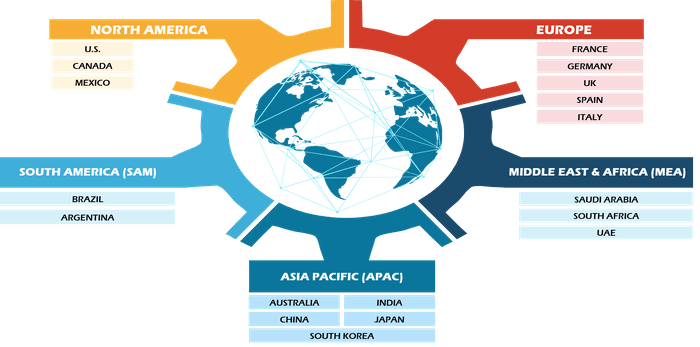
    Historical Information The radio access network is part of the telecommunication system, it implements the radio access technology, and it provides a connection with its core network. This technology is highly versatile in terms of connectivity, capacity, and efficiency, hence the adoption of the RAN is rising across the globe that increases demand for the radio access network market. The development of 5G technology is propelling the growth of the radio access network market. The growing telecommunication sector demands the advanced connectivity technology that drives the growth of the radio access network market. These pieces of information are vital in comprehending market dynamics and determining future estimates.

    Key Drivers:
    Enhanced need for high-speed internet and mobile connectivity.
    Development of IoT devices and applications.
    Rollout of 5G networks around the world.

    Market Segmentation
    Segmentation Basis:
    By Communication Infrastructure
    • Small Cell
    • Macro Cell
    • RAN Equipment
    • DAS
    By Connectivity Technology
    • 2G
    • 3G
    • 4G/LTE
    • 5G
    By Deployment Region
    • High-density Urban Area
    • Suburban and Rural Area

    Spotting Emerging Trends
    Technological Advancements
    Emerging Technologies: Technologies like Open RAN architectures and virtualization of network functions are transforming the conventional RAN market, providing more cost-effective and flexible solutions.
    Changing Consumer Preferences
    Consumer Preferences: Increasing demand for improved mobile broadband services and stable connectivity is forcing service providers to implement sophisticated RAN solutions.
    Regulatory Changes
    Regulatory Impact: Recent regulations to spur 5G deployment and spectrum allocation will have a profound impact on the RAN market dynamics.

    Growth Opportunities:
    Growing 5G infrastructure in emerging economies.
    Growing investments in smart city initiatives require strong RAN solutions.
    Strategic alliances between telecom players and technology vendors to augment services.

    Conclusion
    The Radio Access Network Market: Global Industry Trends, Share, Size, Growth, Opportunity, and Forecast 2025-2031 report is the perfect guide for businesses considering venturing into the radio access network market. With its comprehensive analysis of competitive forces, marketplace, and avenues of growth, stakeholders will be able to make objective, data-driven decisions to find success in the marketplace and expand business opportunities.

    About The Insight Partners
    The Insight Partners is one of the world's prominent market research and consulting firms. We are proud to offer proprietary reports as well as in-depth strategic and tactical analysis of the industry. Our reports are produced by a mix of primary and secondary research in order to provide our clients with knowledge-driven insights in order to make better business decisions. Our holistic perspective in every study forms an integral part of our research methodology, ensuring that our reports are unique and reliable.

    Visit our website (insert homepage link) to learn more and gain full access to our reports.

    https://www.theinsightpartners.com/reports/radio-access-network-market

    Radio Access Network Market : Rising Demand for Environmental Safety and Health Compliance United States of America— The Insight Partners is delighted to announce its latest market report, "Radio Access Network Market: An In-depth Analysis." The report presents an exhaustive analysis of the Radio Access Network Market and explains the present situation as well as growth projections over the forecast period. Overview of Radio Access Network Market The RAN market has seen considerable developments, such as growth trends and the changing dynamics. This report offers an insight into the forces driving these changes: technological progress, regulatory reforms, and changing consumer tastes. Key Findings and Insights Market Size and Growth Historical Information The radio access network is part of the telecommunication system, it implements the radio access technology, and it provides a connection with its core network. This technology is highly versatile in terms of connectivity, capacity, and efficiency, hence the adoption of the RAN is rising across the globe that increases demand for the radio access network market. The development of 5G technology is propelling the growth of the radio access network market. The growing telecommunication sector demands the advanced connectivity technology that drives the growth of the radio access network market. These pieces of information are vital in comprehending market dynamics and determining future estimates. Key Drivers: Enhanced need for high-speed internet and mobile connectivity. Development of IoT devices and applications. Rollout of 5G networks around the world. Market Segmentation Segmentation Basis: By Communication Infrastructure • Small Cell • Macro Cell • RAN Equipment • DAS By Connectivity Technology • 2G • 3G • 4G/LTE • 5G By Deployment Region • High-density Urban Area • Suburban and Rural Area Spotting Emerging Trends Technological Advancements Emerging Technologies: Technologies like Open RAN architectures and virtualization of network functions are transforming the conventional RAN market, providing more cost-effective and flexible solutions. Changing Consumer Preferences Consumer Preferences: Increasing demand for improved mobile broadband services and stable connectivity is forcing service providers to implement sophisticated RAN solutions. Regulatory Changes Regulatory Impact: Recent regulations to spur 5G deployment and spectrum allocation will have a profound impact on the RAN market dynamics. Growth Opportunities: Growing 5G infrastructure in emerging economies. Growing investments in smart city initiatives require strong RAN solutions. Strategic alliances between telecom players and technology vendors to augment services. Conclusion The Radio Access Network Market: Global Industry Trends, Share, Size, Growth, Opportunity, and Forecast 2025-2031 report is the perfect guide for businesses considering venturing into the radio access network market. With its comprehensive analysis of competitive forces, marketplace, and avenues of growth, stakeholders will be able to make objective, data-driven decisions to find success in the marketplace and expand business opportunities. About The Insight Partners The Insight Partners is one of the world's prominent market research and consulting firms. We are proud to offer proprietary reports as well as in-depth strategic and tactical analysis of the industry. Our reports are produced by a mix of primary and secondary research in order to provide our clients with knowledge-driven insights in order to make better business decisions. Our holistic perspective in every study forms an integral part of our research methodology, ensuring that our reports are unique and reliable. Visit our website (insert homepage link) to learn more and gain full access to our reports. https://www.theinsightpartners.com/reports/radio-access-network-market
    WWW.THEINSIGHTPARTNERS.COM
    Radio Access Network Market Strategic Insights by 2031
    Radio Access Network Market is likely to reach CAGR of XX% by 2031. Gain a competitive edge with our latest forecast and uncover future opportunities.
    0 Σχόλια 0 Μοιράστηκε 5χλμ. Views 0 Προεπισκόπηση
  • Unlock the power of connected devices with Softura's Internet of Things (IoT) solutions. From smart devices to data-driven insights, we provide end-to-end IoT development services to drive innovation and efficiency. Explore our IoT expertise today!

    Link: https://www.softura.com/internet-of-things/
    Unlock the power of connected devices with Softura's Internet of Things (IoT) solutions. From smart devices to data-driven insights, we provide end-to-end IoT development services to drive innovation and efficiency. Explore our IoT expertise today! Link: https://www.softura.com/internet-of-things/
    WWW.SOFTURA.COM
    IOT Development Services
    Transform ideas into reality with our IoT application development. Create seamless connectivity, automate processes, and drive innovation.
    0 Σχόλια 0 Μοιράστηκε 3χλμ. Views 0 Προεπισκόπηση
  • Best B2B Marketing Agency

    Top B2B Marketing Agency, Search Engine Projects Helps Companies for Branding, Website Design, Content Marketing, and B2B Internet Marketing.

    Click Here For More Info:- https://www.searchengineprojects.com/portfolio-items/b2b-marketing/
    Best B2B Marketing Agency Top B2B Marketing Agency, Search Engine Projects Helps Companies for Branding, Website Design, Content Marketing, and B2B Internet Marketing. Click Here For More Info:- https://www.searchengineprojects.com/portfolio-items/b2b-marketing/
    0 Σχόλια 0 Μοιράστηκε 3χλμ. Views 0 Προεπισκόπηση
Αναζήτηση αποτελεσμάτων
Διαφημίσεις