• #mumbaiescorts, #mumbaicallgirls, #mumbaiindependentescorts, #mumbaiairportescorts, #mumbaifemaleescorts, #navimumbaiescorts, #thaneescorts, #vashiescorts, #nalasoparaescorts, #colabaescorts, #andheriescorts, #bandraescorts, #andheriairport, #vashiescorts, #nerulescorts, #cbdbelapurescorts, #thaneescorts, #panvelescorts, #dahisarescorts, #miraroadcallgirls, #khargharescorts, #goregaonescorts, #maladescorts, #nalasoparaescorts, #vasaiescorts, #mumbaihousewifecallgirls, #vijaynagarcallgirls, #indorecallgirls, #indoreescorts, #indorefemaleescorts, #punecallgirls, #puneescorts, #nagpurescorts, #nagpurcallgirls, https://www.radhikasharma.net/
    #mumbaiescorts, #mumbaicallgirls, #mumbaiindependentescorts, #mumbaiairportescorts, #mumbaifemaleescorts, #navimumbaiescorts, #thaneescorts, #vashiescorts, #nalasoparaescorts, #colabaescorts, #andheriescorts, #bandraescorts, #andheriairport, #vashiescorts, #nerulescorts, #cbdbelapurescorts, #thaneescorts, #panvelescorts, #dahisarescorts, #miraroadcallgirls, #khargharescorts, #goregaonescorts, #maladescorts, #nalasoparaescorts, #vasaiescorts, #mumbaihousewifecallgirls, #vijaynagarcallgirls, #indorecallgirls, #indoreescorts, #indorefemaleescorts, #punecallgirls, #puneescorts, #nagpurescorts, #nagpurcallgirls, https://www.radhikasharma.net/
    Mumbai Escorts Best Call Girls Service at ₹,15000 With Room
    Mumbai Escorts With Room Free Home Delivery within 25 minutes.Premium Mumbai call girls are offering high class model escort service in Mumbai.
    0 Commenti 0 condivisioni 10K Views 0 Anteprima
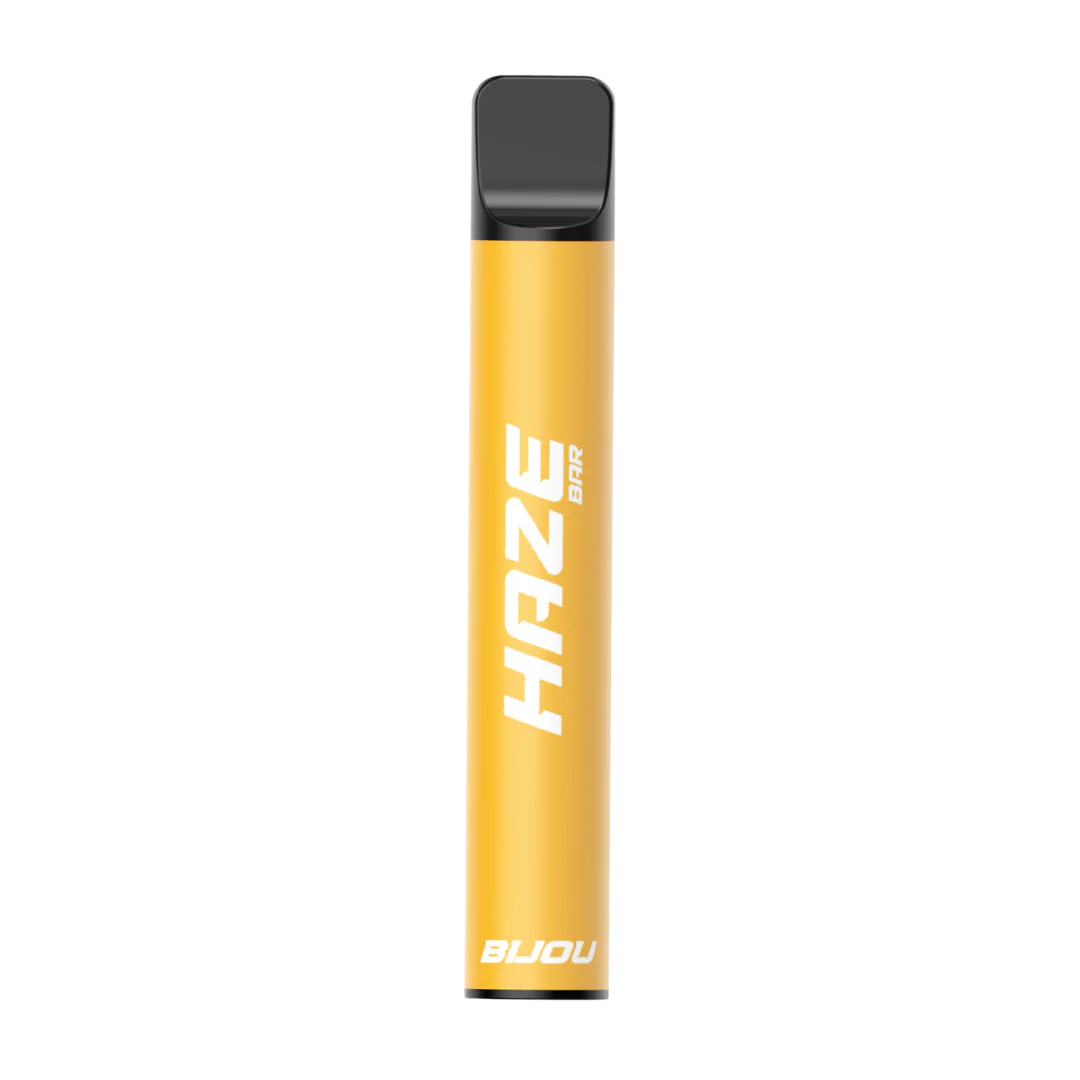
  • We offer trusted information and premium options for CBD Vapes at https://hazecbd.co.uk/
    . Our site helps adults explore safe, smooth, and enjoyable CBD vaping experiences with reliable guidance and quality-focused products.
    We offer trusted information and premium options for CBD Vapes at https://hazecbd.co.uk/ . Our site helps adults explore safe, smooth, and enjoyable CBD vaping experiences with reliable guidance and quality-focused products.
    0 Commenti 0 condivisioni 7K Views 0 Anteprima
  • https://my.hiepsiit.com/blogs/33053/CBD-Infused-Confectionery-Market-2025-2035-Health-Wellness-Driving-Demand#google_vignette
    https://my.hiepsiit.com/blogs/33053/CBD-Infused-Confectionery-Market-2025-2035-Health-Wellness-Driving-Demand#google_vignette
    MY.HIEPSIIT.COM
    CBD Infused Confectionery Market 2025–2035: Health &...
    The global CBD-Infused Confectionery Market is poised for unprecedented growth, driven by shifting consumer preferences, expanding legalization of cannabidiol (CBD), and increasing awareness of its wellness benefits. From gummies and chocolates to lollipops and baked goods, CBD-infused treats are...
    0 Commenti 0 condivisioni 1K Views 0 Anteprima
  • https://wemarketresearch.com/reports/cbd-infused-confectionery-market/1715
    https://wemarketresearch.com/reports/cbd-infused-confectionery-market/1715
    WEMARKETRESEARCH.COM
    CBD Infused Confectionery Market Size, Demand & Share Report
    CBD Infused Confectionery market to grow from $72.52B in 2025 to $118.74B by 2035, at a 14.1% CAGR. Explore market trends, growth, and forecast insights.
    0 Commenti 0 condivisioni 2K Views 0 Anteprima
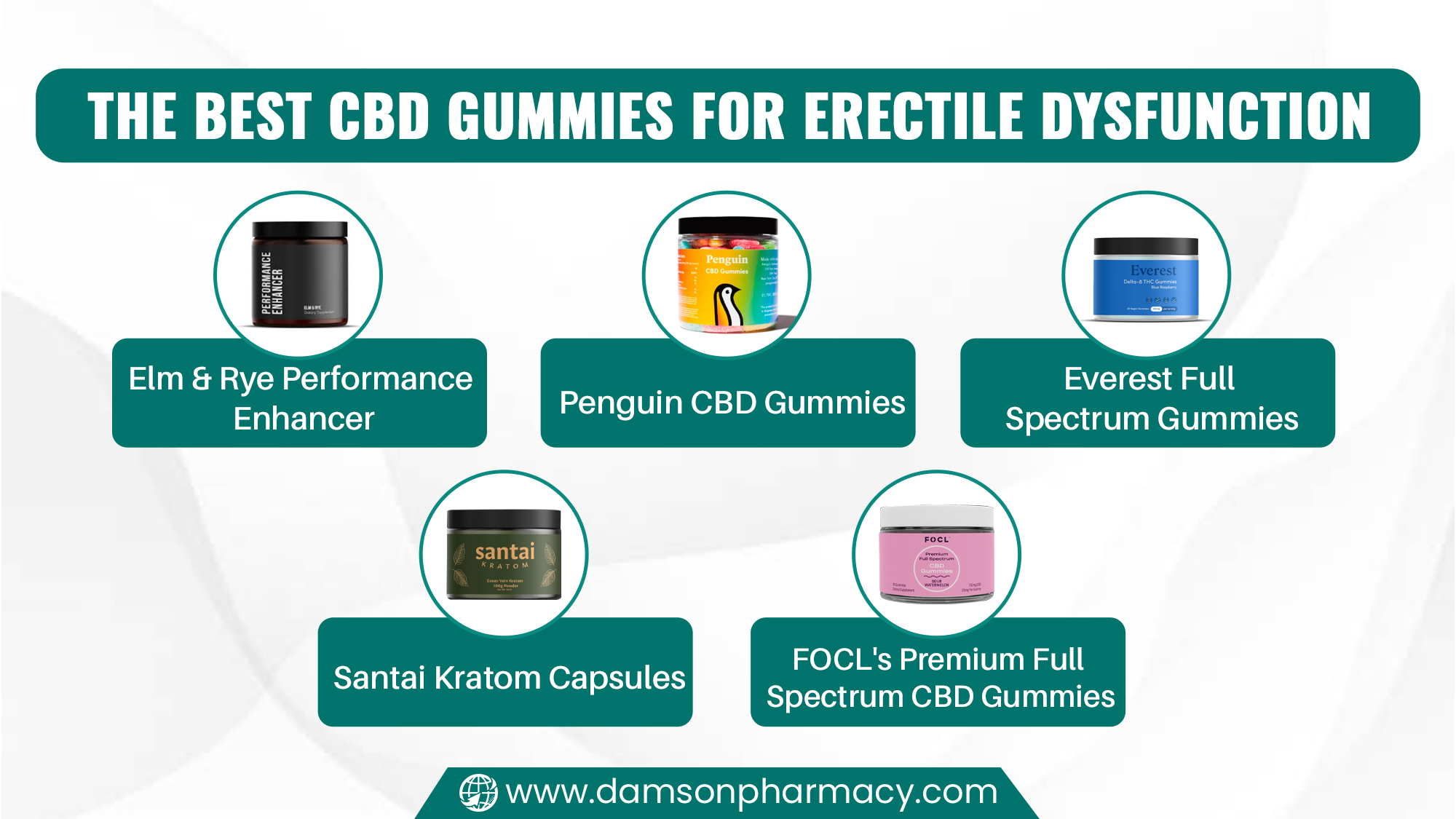
  • Top 5 Best CBD Gummies For Erectile Dysfunction
    Top 5 Best CBD Gummies For Erectile Dysfunction
    0 Commenti 0 condivisioni 1K Views 0 Anteprima
  • The Best CBD Gummies For Erectile Dysfunction
    The Best CBD Gummies For Erectile Dysfunction
    0 Commenti 0 condivisioni 998 Views 0 Anteprima
  • Hair Dye Market Research Size, Strategies & Key Players Review

    The global hair dye market was valued at approximately USD 20.59 billion in 2022 and is projected to grow from USD 21.53 billion in 2023 to USD 32.2 billion by 2032. The market is expected to experience a compound annual growth rate (CAGR) of 4.58% during the forecast period from 2024 to 2032.

    The global hair dye market is experiencing significant growth, driven by increasing consumer interest in personal grooming, evolving fashion trends, and the growing influence of social media. Hair dye products have become an essential part of the beauty industry, catering to a broad consumer base, including professionals and individual consumers. With advancements in product formulations and an expanding distribution network, the market is expected to witness substantial expansion in the coming years. The industry is categorized based on product type, end-user, shade preference, distribution channel, and region, with each segment playing a crucial role in the market dynamics.

    Key Players:
    Wella, Clairol, Procter and Gamble, L'Oréal, Unilever, Kao Corporation, Dabur, Aveda, L'ANZA, Revlon, Shiseido, Godrej Consumer Products, Henkel, Coty, Schwarzkopf

    "Request Free Sample" - Obtain a complimentary sample of our report to assess its quality and relevance to your requirements: https://www.marketresearchfuture.com/sample_request/26349

    Market Segmentation The hair dye market is segmented into various categories based on product type, end-user, shade preference, distribution channel, and region. By product type, the market is divided into permanent hair dye, temporary hair dye, and semi-permanent hair dye. Permanent hair dye remains the most popular choice among consumers due to its long-lasting effect, while semi-permanent and temporary dyes are preferred for short-term transformations and experimental fashion trends.

    By end-user, the market caters to professionals, such as hair salons and stylists, and consumers who purchase at-home hair dye kits. The professional segment dominates due to the increasing number of salons and spas offering premium hair coloring services. However, the consumer segment is also expanding rapidly, driven by DIY hair coloring trends and the availability of user-friendly home coloring kits.

    Regarding shade preference, the market is categorized into natural shades, fashion shades, and pastel shades. Natural shades such as black, brown, and blonde dominate the market due to their widespread appeal. However, fashion and pastel shades have witnessed a surge in demand, particularly among younger consumers seeking to experiment with bold and vibrant hair colors.

    The distribution channel for hair dye products is divided into hypermarkets/supermarkets, specialty stores, online retailers, and salons and spas. Hypermarkets and specialty stores remain the primary sources for hair dye purchases, while online retail is experiencing rapid growth due to the convenience of e-commerce platforms. Additionally, salons and spas continue to play a vital role in promoting premium hair dye products and services.

    Market Drivers The hair dye market is driven by several key factors, including the rising demand for personal grooming, increasing disposable incomes, and evolving fashion trends. As more consumers become conscious of their appearance, hair coloring has emerged as an integral part of personal styling. The growing influence of social media and celebrity endorsements has further fueled the demand for innovative hair dye products.

    Technological advancements in hair dye formulations have also contributed to market growth. Manufacturers are focusing on developing ammonia-free, organic, and herbal hair dyes that minimize damage and offer long-lasting color retention. The increasing preference for natural and chemical-free products has led to the introduction of plant-based hair dyes, appealing to environmentally conscious consumers.

    "Proceed to Buy" - Move forward with your purchase and gain instant access to the complete report: https://www.marketresearchfuture.com/checkout?currency=one_user-USD&report_id=26349

    Moreover, the rapid urbanization and expansion of the beauty and cosmetics industry have contributed to the market's growth. The increasing number of professional salons and beauty parlors worldwide has boosted the demand for high-quality hair dye products, as professionals require a diverse range of shades and formulations to meet customer preferences.

    Industry Developments The hair dye industry has witnessed several significant developments in recent years. Leading brands are investing in research and development to introduce innovative hair coloring solutions with enhanced features. For instance, color-depositing conditioners and temporary color sprays have gained traction as they offer non-permanent color options with minimal commitment.

    Furthermore, collaborations between beauty brands and celebrities have become a prominent trend in the industry. Celebrity-endorsed hair dye lines and influencer marketing campaigns have significantly impacted consumer purchasing behavior, leading to increased brand visibility and sales.

    Another key development is the surge in demand for sustainable and eco-friendly hair dye products. With growing environmental concerns, companies are exploring biodegradable packaging, cruelty-free formulations, and plant-based ingredients to cater to conscious consumers. Brands such as L’Oréal, Revlon, and Henkel are actively investing in sustainable initiatives to strengthen their market position.

    Additionally, the rise of customized and personalized hair dye products is reshaping the industry landscape. Consumers now seek tailored hair coloring solutions that suit their specific hair types, preferences, and skin tones. AI-driven hair color recommendation tools and virtual try-on applications have enhanced the shopping experience, enabling customers to make informed purchasing decisions.

    Market Challenges Despite the promising growth prospects, the hair dye market faces several challenges. One of the primary concerns is the presence of harsh chemicals in traditional hair dye formulations. Consumers are becoming increasingly aware of the potential health risks associated with ammonia, parabens, and synthetic dyes, prompting a shift toward organic and natural alternatives. However, achieving the same color intensity and longevity with natural formulations remains a challenge for manufacturers.

    Another significant challenge is the high competition in the industry. The market is highly fragmented, with numerous international and regional players vying for market share. Price wars and aggressive marketing strategies have made it difficult for new entrants to establish a strong foothold.

    Additionally, regulatory restrictions on chemical ingredients pose hurdles for manufacturers. Different regions have varying regulations concerning the safety and composition of hair dye products. Compliance with these regulations necessitates extensive testing and reformulation, which can be time-consuming and costly.

    Furthermore, consumer preferences are continually evolving, making it crucial for brands to stay ahead of trends. The demand for vibrant, unconventional hair colors may fluctuate based on fashion cycles, influencing the sales of specific shades.

    "Browse Report" - Explore the report's contents, sections, and key insights by browsing through its detailed information: https://www.marketresearchfuture.com/reports/hair-dye-market-26349

    Regional Analysis The hair dye market is expanding across various regions, with North America and Europe leading the industry due to high consumer spending on beauty and personal care products. The presence of well-established beauty brands, advanced salon services, and a strong preference for premium hair dyes contribute to the market’s growth in these regions.

    Asia Pacific is emerging as a lucrative market for hair dye products, driven by increasing urbanization, rising disposable incomes, and a growing inclination toward Western beauty trends. Countries such as China, India, and Japan have witnessed a surge in demand for hair coloring solutions, supported by a thriving salon industry and an expanding e-commerce landscape.

    South America, the Middle East, and Africa also offer growth opportunities, particularly with the rising influence of fashion-forward consumers and the expansion of international beauty brands into these regions. The growing demand for multicultural hair dye solutions tailored to diverse hair types further contributes to market expansion.


    Discover more Research Reports on Consumer and Retail Industry, by Market Research Future:

    Air Freshener Market: https://www.marketresearchfuture.com/reports/air-freshener-market-29214

    Algae Fats Market: https://www.marketresearchfuture.com/reports/algae-fats-market-29575

    Camping Utensil Market: https://www.marketresearchfuture.com/reports/camping-utensil-market-29564

    Cbd Skin Care Market: https://www.marketresearchfuture.com/reports/cbd-skin-care-market-29187

    Lifestyle Sneaker Market: https://www.marketresearchfuture.com/reports/lifestyle-sneaker-market-29851

    Sporting Gun Market: https://www.marketresearchfuture.com/reports/sporting-gun-market-31374


    Hair Dye Market Research Size, Strategies & Key Players Review The global hair dye market was valued at approximately USD 20.59 billion in 2022 and is projected to grow from USD 21.53 billion in 2023 to USD 32.2 billion by 2032. The market is expected to experience a compound annual growth rate (CAGR) of 4.58% during the forecast period from 2024 to 2032. The global hair dye market is experiencing significant growth, driven by increasing consumer interest in personal grooming, evolving fashion trends, and the growing influence of social media. Hair dye products have become an essential part of the beauty industry, catering to a broad consumer base, including professionals and individual consumers. With advancements in product formulations and an expanding distribution network, the market is expected to witness substantial expansion in the coming years. The industry is categorized based on product type, end-user, shade preference, distribution channel, and region, with each segment playing a crucial role in the market dynamics. Key Players: Wella, Clairol, Procter and Gamble, L'Oréal, Unilever, Kao Corporation, Dabur, Aveda, L'ANZA, Revlon, Shiseido, Godrej Consumer Products, Henkel, Coty, Schwarzkopf "Request Free Sample" - Obtain a complimentary sample of our report to assess its quality and relevance to your requirements: https://www.marketresearchfuture.com/sample_request/26349 Market Segmentation The hair dye market is segmented into various categories based on product type, end-user, shade preference, distribution channel, and region. By product type, the market is divided into permanent hair dye, temporary hair dye, and semi-permanent hair dye. Permanent hair dye remains the most popular choice among consumers due to its long-lasting effect, while semi-permanent and temporary dyes are preferred for short-term transformations and experimental fashion trends. By end-user, the market caters to professionals, such as hair salons and stylists, and consumers who purchase at-home hair dye kits. The professional segment dominates due to the increasing number of salons and spas offering premium hair coloring services. However, the consumer segment is also expanding rapidly, driven by DIY hair coloring trends and the availability of user-friendly home coloring kits. Regarding shade preference, the market is categorized into natural shades, fashion shades, and pastel shades. Natural shades such as black, brown, and blonde dominate the market due to their widespread appeal. However, fashion and pastel shades have witnessed a surge in demand, particularly among younger consumers seeking to experiment with bold and vibrant hair colors. The distribution channel for hair dye products is divided into hypermarkets/supermarkets, specialty stores, online retailers, and salons and spas. Hypermarkets and specialty stores remain the primary sources for hair dye purchases, while online retail is experiencing rapid growth due to the convenience of e-commerce platforms. Additionally, salons and spas continue to play a vital role in promoting premium hair dye products and services. Market Drivers The hair dye market is driven by several key factors, including the rising demand for personal grooming, increasing disposable incomes, and evolving fashion trends. As more consumers become conscious of their appearance, hair coloring has emerged as an integral part of personal styling. The growing influence of social media and celebrity endorsements has further fueled the demand for innovative hair dye products. Technological advancements in hair dye formulations have also contributed to market growth. Manufacturers are focusing on developing ammonia-free, organic, and herbal hair dyes that minimize damage and offer long-lasting color retention. The increasing preference for natural and chemical-free products has led to the introduction of plant-based hair dyes, appealing to environmentally conscious consumers. "Proceed to Buy" - Move forward with your purchase and gain instant access to the complete report: https://www.marketresearchfuture.com/checkout?currency=one_user-USD&report_id=26349 Moreover, the rapid urbanization and expansion of the beauty and cosmetics industry have contributed to the market's growth. The increasing number of professional salons and beauty parlors worldwide has boosted the demand for high-quality hair dye products, as professionals require a diverse range of shades and formulations to meet customer preferences. Industry Developments The hair dye industry has witnessed several significant developments in recent years. Leading brands are investing in research and development to introduce innovative hair coloring solutions with enhanced features. For instance, color-depositing conditioners and temporary color sprays have gained traction as they offer non-permanent color options with minimal commitment. Furthermore, collaborations between beauty brands and celebrities have become a prominent trend in the industry. Celebrity-endorsed hair dye lines and influencer marketing campaigns have significantly impacted consumer purchasing behavior, leading to increased brand visibility and sales. Another key development is the surge in demand for sustainable and eco-friendly hair dye products. With growing environmental concerns, companies are exploring biodegradable packaging, cruelty-free formulations, and plant-based ingredients to cater to conscious consumers. Brands such as L’Oréal, Revlon, and Henkel are actively investing in sustainable initiatives to strengthen their market position. Additionally, the rise of customized and personalized hair dye products is reshaping the industry landscape. Consumers now seek tailored hair coloring solutions that suit their specific hair types, preferences, and skin tones. AI-driven hair color recommendation tools and virtual try-on applications have enhanced the shopping experience, enabling customers to make informed purchasing decisions. Market Challenges Despite the promising growth prospects, the hair dye market faces several challenges. One of the primary concerns is the presence of harsh chemicals in traditional hair dye formulations. Consumers are becoming increasingly aware of the potential health risks associated with ammonia, parabens, and synthetic dyes, prompting a shift toward organic and natural alternatives. However, achieving the same color intensity and longevity with natural formulations remains a challenge for manufacturers. Another significant challenge is the high competition in the industry. The market is highly fragmented, with numerous international and regional players vying for market share. Price wars and aggressive marketing strategies have made it difficult for new entrants to establish a strong foothold. Additionally, regulatory restrictions on chemical ingredients pose hurdles for manufacturers. Different regions have varying regulations concerning the safety and composition of hair dye products. Compliance with these regulations necessitates extensive testing and reformulation, which can be time-consuming and costly. Furthermore, consumer preferences are continually evolving, making it crucial for brands to stay ahead of trends. The demand for vibrant, unconventional hair colors may fluctuate based on fashion cycles, influencing the sales of specific shades. "Browse Report" - Explore the report's contents, sections, and key insights by browsing through its detailed information: https://www.marketresearchfuture.com/reports/hair-dye-market-26349 Regional Analysis The hair dye market is expanding across various regions, with North America and Europe leading the industry due to high consumer spending on beauty and personal care products. The presence of well-established beauty brands, advanced salon services, and a strong preference for premium hair dyes contribute to the market’s growth in these regions. Asia Pacific is emerging as a lucrative market for hair dye products, driven by increasing urbanization, rising disposable incomes, and a growing inclination toward Western beauty trends. Countries such as China, India, and Japan have witnessed a surge in demand for hair coloring solutions, supported by a thriving salon industry and an expanding e-commerce landscape. South America, the Middle East, and Africa also offer growth opportunities, particularly with the rising influence of fashion-forward consumers and the expansion of international beauty brands into these regions. The growing demand for multicultural hair dye solutions tailored to diverse hair types further contributes to market expansion. Discover more Research Reports on Consumer and Retail Industry, by Market Research Future: Air Freshener Market: https://www.marketresearchfuture.com/reports/air-freshener-market-29214 Algae Fats Market: https://www.marketresearchfuture.com/reports/algae-fats-market-29575 Camping Utensil Market: https://www.marketresearchfuture.com/reports/camping-utensil-market-29564 Cbd Skin Care Market: https://www.marketresearchfuture.com/reports/cbd-skin-care-market-29187 Lifestyle Sneaker Market: https://www.marketresearchfuture.com/reports/lifestyle-sneaker-market-29851 Sporting Gun Market: https://www.marketresearchfuture.com/reports/sporting-gun-market-31374
    WWW.MARKETRESEARCHFUTURE.COM
    Sample Request for Hair Dye Market Share, Size, Trends, Growth Analysis, 2032
    Sample Request - Hair Dye Market Size is Projected to reach at a USD 32.2 Billion by 2032, with CAGR of 4.58%, By 2024-2032, Due to Increasing Demand for Home Hair Dyeing
    0 Commenti 0 condivisioni 8K Views 0 Anteprima
  • CBD For Erectile Dysfunction – Is It A Miracle Cure?
    CBD For Erectile Dysfunction – Is It A Miracle Cure?
    0 Commenti 0 condivisioni 1K Views 0 Anteprima
  • Miraculous Benefits of CBD for Erectile Dysfunction
    Miraculous Benefits of CBD for Erectile Dysfunction
    0 Commenti 0 condivisioni 858 Views 0 Anteprima
  • Functional Coffee Market Research to Grow a CAGR during 2024 to 2034

    The Functional Coffee Market was valued at approximately USD 24.96 billion in 2024. It is projected to expand from USD 26.64 billion in 2025 to an estimated USD 47.79 billion by 2034. This represents a compound annual growth rate (CAGR) of around 6.7% throughout the forecast period (2025–2034).

    The functional coffee market has experienced remarkable growth, fueled by shifting consumer preferences for healthier beverage options that deliver additional benefits beyond traditional coffee. This burgeoning sector caters to health-conscious individuals seeking enhanced energy, weight management, mood improvement, digestive health, and immunity support. By integrating innovative ingredients and formats, the functional coffee market continues to reshape the global coffee industry landscape.

    Key Players:

    Lifeway, Stryve, RVIVR, Mushrooms for Health, Golde, Nootopia, Crazy Goat Coffee, Teeccino, Four Sigmatic, Mud Wtr, C4 Energy, Bulletproof 360, Fit Brew, Project Well

    "Request Free Sample" - Obtain a complimentary sample of our report to assess its quality and relevance to your requirements: https://www.marketresearchfuture.com/sample_request/24522

    Market Segmentation Overview

    By Product

    Functional coffee products address diverse health needs, offering specialized blends for energy and focus, weight management, mood enhancement, digestive health, and immunity boosts. Energy and focus products, often infused with caffeine and L-theanine, dominate the market due to rising demand among professionals, students, and athletes. Weight management coffee, featuring metabolism-boosting ingredients like green coffee extract, has gained popularity among fitness enthusiasts. Meanwhile, blends targeting mood enhancement and immunity are capturing attention for their incorporation of adaptogens, nootropics, and vitamins.

    By Ingredient

    Key ingredients driving the functional coffee market include caffeine, L-theanine, nootropics, adaptogens, and essential vitamins and minerals. Caffeine remains a staple, offering its well-known energy-boosting effects. L-theanine, commonly derived from tea, is prized for promoting relaxation without drowsiness, making it a complementary addition to caffeine. Adaptogens such as ashwagandha and ginseng support stress management, while nootropics like lion’s mane mushroom enhance cognitive function. Vitamins and minerals, such as vitamin D and zinc, provide additional health benefits, bolstering the appeal of functional coffee among wellness-focused consumers.

    By Format

    Functional coffee is available in various formats to cater to consumer preferences. Whole bean and ground coffee are favored by those who enjoy traditional brewing methods and premium taste experiences. Instant coffee and ready-to-drink (RTD) options cater to convenience-seeking consumers, offering portability and ease of use. Pods and capsules continue to gain traction due to their compatibility with single-serve coffee machines, making them a popular choice for modern households and workplaces.

    By Distribution Channel

    The distribution of functional coffee spans multiple channels, including online retailers, grocery stores, specialty coffee shops, mass merchandisers, and convenience stores. Online retailers have emerged as a dominant channel, driven by the convenience of doorstep delivery and the ability to access niche products. Grocery stores and mass merchandisers remain critical for reaching mainstream audiences, while specialty coffee shops offer premium and artisanal options. Convenience stores provide a quick solution for on-the-go consumers, particularly for RTD functional coffee products.

    By Regional Analysis

    The functional coffee market’s growth varies by region, with North America and Europe leading the charge. North America’s robust coffee culture and rising health awareness drive demand for innovative blends. Europe’s sophisticated coffee market has embraced functional options, particularly in wellness-conscious countries such as Germany and Scandinavia. In Asia-Pacific, the market is expanding rapidly, fueled by growing disposable incomes and the popularity of health-focused beverages in countries like China, Japan, and India. South America’s role as a key coffee producer positions it as a vital player in the global market. Meanwhile, the Middle East and Africa are witnessing gradual growth as functional coffee gains recognition in urban centers.

    "Proceed to Buy" - Move forward with your purchase and gain instant access to the complete report: https://www.marketresearchfuture.com/checkout?currency=one_user-USD&report_id=24522

    Market Drivers

    Health and Wellness Trends

    The global shift toward health and wellness has significantly influenced the functional coffee market. Consumers increasingly prioritize beverages that support their physical and mental well-being. Functional coffee’s ability to combine the familiar comfort of coffee with added health benefits positions it as a compelling choice for health-conscious individuals.

    Rising Demand for Convenience

    Busy lifestyles and the need for quick energy boosts have fueled demand for convenient functional coffee products. Ready-to-drink options and single-serve pods offer the perfect solution for on-the-go consumers, allowing them to enjoy functional benefits without compromising on convenience.

    Growing Popularity of Plant-Based and Natural Ingredients

    As consumers become more ingredient-conscious, the demand for plant-based and natural products has surged. Functional coffee brands have responded by incorporating organic, non-GMO, and plant-based ingredients into their blends, appealing to eco-conscious and health-focused demographics.

    Innovation in Product Development

    Continuous innovation in product development has been a driving force in the functional coffee market. Brands are leveraging scientific research to create blends tailored to specific health benefits, introducing new ingredients and formulations to meet evolving consumer needs. For instance, the incorporation of CBD and probiotics in functional coffee has opened new avenues for growth.

    Expansion of E-Commerce Platforms

    The rise of e-commerce platforms has revolutionized the way consumers purchase functional coffee. Online channels offer access to a broader range of products, enabling consumers to discover unique blends and emerging brands. Additionally, subscription services provide convenience and foster customer loyalty.

    Market Challenges

    High Production Costs

    The inclusion of premium ingredients, such as adaptogens and nootropics, increases production costs, which can translate to higher retail prices. This poses a challenge for brands seeking to make functional coffee accessible to a wider audience while maintaining profitability.

    Regulatory and Labeling Issues

    The functional coffee market faces regulatory challenges, particularly concerning health claims and ingredient approvals. Ensuring compliance with regional regulations and providing clear, accurate labeling are critical for building consumer trust and avoiding legal complications.

    Consumer Awareness and Education

    Despite its growth, functional coffee remains a relatively niche segment. Limited consumer awareness about the benefits of functional ingredients can hinder market penetration. Brands must invest in marketing and educational initiatives to bridge this gap and drive adoption.

    "Browse Report" - Explore the report's contents, sections, and key insights by browsing through its detailed information: https://www.marketresearchfuture.com/reports/functional-coffee-market-24522

    Competition from Traditional Coffee Products

    Functional coffee competes with traditional coffee products that have long-established consumer bases. Convincing loyal coffee drinkers to switch to functional alternatives requires significant effort in highlighting the added benefits and differentiating from standard offerings.

    Industry Developments

    Collaborations and Partnerships

    Functional coffee brands are increasingly collaborating with ingredient suppliers, research institutions, and wellness influencers to enhance product development and market reach. These partnerships enable brands to leverage expertise, expand distribution networks, and tap into new consumer segments.

    Focus on Sustainability

    Sustainability has become a priority for functional coffee brands, with many adopting eco-friendly practices in sourcing, packaging, and production. Ethical sourcing of coffee beans and the use of biodegradable or recyclable packaging resonate with environmentally conscious consumers.

    Emergence of Local and Niche Players

    The functional coffee market has witnessed the rise of local and niche players offering unique blends and artisanal options. These brands cater to specific consumer preferences and often emphasize transparency, authenticity, and quality.

    Technological Advancements

    Advancements in food technology have enabled the development of functional coffee products with improved taste, solubility, and bioavailability. Microencapsulation and other techniques enhance the stability and efficacy of functional ingredients, ensuring a superior consumer experience.


    Discover more Research Reports on Food, Beverages & Nutrition Industry, by Market Research Future:

    biotin ingredient Market : https://www.marketresearchfuture.com/reports/biotin-ingredient-market-25057

    birch sap Market : https://www.marketresearchfuture.com/reports/birch-sap-market-25062

    brewers yeast Market : https://www.marketresearchfuture.com/reports/brewers-yeast-market-25090

    sesame oil Market : https://www.marketresearchfuture.com/reports/sesame-oil-market-25134

    stock cube Market : https://www.marketresearchfuture.com/reports/stock-cube-market-24872

    Functional Coffee Market Research to Grow a CAGR during 2024 to 2034 The Functional Coffee Market was valued at approximately USD 24.96 billion in 2024. It is projected to expand from USD 26.64 billion in 2025 to an estimated USD 47.79 billion by 2034. This represents a compound annual growth rate (CAGR) of around 6.7% throughout the forecast period (2025–2034). The functional coffee market has experienced remarkable growth, fueled by shifting consumer preferences for healthier beverage options that deliver additional benefits beyond traditional coffee. This burgeoning sector caters to health-conscious individuals seeking enhanced energy, weight management, mood improvement, digestive health, and immunity support. By integrating innovative ingredients and formats, the functional coffee market continues to reshape the global coffee industry landscape. Key Players: Lifeway, Stryve, RVIVR, Mushrooms for Health, Golde, Nootopia, Crazy Goat Coffee, Teeccino, Four Sigmatic, Mud Wtr, C4 Energy, Bulletproof 360, Fit Brew, Project Well "Request Free Sample" - Obtain a complimentary sample of our report to assess its quality and relevance to your requirements: https://www.marketresearchfuture.com/sample_request/24522 Market Segmentation Overview By Product Functional coffee products address diverse health needs, offering specialized blends for energy and focus, weight management, mood enhancement, digestive health, and immunity boosts. Energy and focus products, often infused with caffeine and L-theanine, dominate the market due to rising demand among professionals, students, and athletes. Weight management coffee, featuring metabolism-boosting ingredients like green coffee extract, has gained popularity among fitness enthusiasts. Meanwhile, blends targeting mood enhancement and immunity are capturing attention for their incorporation of adaptogens, nootropics, and vitamins. By Ingredient Key ingredients driving the functional coffee market include caffeine, L-theanine, nootropics, adaptogens, and essential vitamins and minerals. Caffeine remains a staple, offering its well-known energy-boosting effects. L-theanine, commonly derived from tea, is prized for promoting relaxation without drowsiness, making it a complementary addition to caffeine. Adaptogens such as ashwagandha and ginseng support stress management, while nootropics like lion’s mane mushroom enhance cognitive function. Vitamins and minerals, such as vitamin D and zinc, provide additional health benefits, bolstering the appeal of functional coffee among wellness-focused consumers. By Format Functional coffee is available in various formats to cater to consumer preferences. Whole bean and ground coffee are favored by those who enjoy traditional brewing methods and premium taste experiences. Instant coffee and ready-to-drink (RTD) options cater to convenience-seeking consumers, offering portability and ease of use. Pods and capsules continue to gain traction due to their compatibility with single-serve coffee machines, making them a popular choice for modern households and workplaces. By Distribution Channel The distribution of functional coffee spans multiple channels, including online retailers, grocery stores, specialty coffee shops, mass merchandisers, and convenience stores. Online retailers have emerged as a dominant channel, driven by the convenience of doorstep delivery and the ability to access niche products. Grocery stores and mass merchandisers remain critical for reaching mainstream audiences, while specialty coffee shops offer premium and artisanal options. Convenience stores provide a quick solution for on-the-go consumers, particularly for RTD functional coffee products. By Regional Analysis The functional coffee market’s growth varies by region, with North America and Europe leading the charge. North America’s robust coffee culture and rising health awareness drive demand for innovative blends. Europe’s sophisticated coffee market has embraced functional options, particularly in wellness-conscious countries such as Germany and Scandinavia. In Asia-Pacific, the market is expanding rapidly, fueled by growing disposable incomes and the popularity of health-focused beverages in countries like China, Japan, and India. South America’s role as a key coffee producer positions it as a vital player in the global market. Meanwhile, the Middle East and Africa are witnessing gradual growth as functional coffee gains recognition in urban centers. "Proceed to Buy" - Move forward with your purchase and gain instant access to the complete report: https://www.marketresearchfuture.com/checkout?currency=one_user-USD&report_id=24522 Market Drivers Health and Wellness Trends The global shift toward health and wellness has significantly influenced the functional coffee market. Consumers increasingly prioritize beverages that support their physical and mental well-being. Functional coffee’s ability to combine the familiar comfort of coffee with added health benefits positions it as a compelling choice for health-conscious individuals. Rising Demand for Convenience Busy lifestyles and the need for quick energy boosts have fueled demand for convenient functional coffee products. Ready-to-drink options and single-serve pods offer the perfect solution for on-the-go consumers, allowing them to enjoy functional benefits without compromising on convenience. Growing Popularity of Plant-Based and Natural Ingredients As consumers become more ingredient-conscious, the demand for plant-based and natural products has surged. Functional coffee brands have responded by incorporating organic, non-GMO, and plant-based ingredients into their blends, appealing to eco-conscious and health-focused demographics. Innovation in Product Development Continuous innovation in product development has been a driving force in the functional coffee market. Brands are leveraging scientific research to create blends tailored to specific health benefits, introducing new ingredients and formulations to meet evolving consumer needs. For instance, the incorporation of CBD and probiotics in functional coffee has opened new avenues for growth. Expansion of E-Commerce Platforms The rise of e-commerce platforms has revolutionized the way consumers purchase functional coffee. Online channels offer access to a broader range of products, enabling consumers to discover unique blends and emerging brands. Additionally, subscription services provide convenience and foster customer loyalty. Market Challenges High Production Costs The inclusion of premium ingredients, such as adaptogens and nootropics, increases production costs, which can translate to higher retail prices. This poses a challenge for brands seeking to make functional coffee accessible to a wider audience while maintaining profitability. Regulatory and Labeling Issues The functional coffee market faces regulatory challenges, particularly concerning health claims and ingredient approvals. Ensuring compliance with regional regulations and providing clear, accurate labeling are critical for building consumer trust and avoiding legal complications. Consumer Awareness and Education Despite its growth, functional coffee remains a relatively niche segment. Limited consumer awareness about the benefits of functional ingredients can hinder market penetration. Brands must invest in marketing and educational initiatives to bridge this gap and drive adoption. "Browse Report" - Explore the report's contents, sections, and key insights by browsing through its detailed information: https://www.marketresearchfuture.com/reports/functional-coffee-market-24522 Competition from Traditional Coffee Products Functional coffee competes with traditional coffee products that have long-established consumer bases. Convincing loyal coffee drinkers to switch to functional alternatives requires significant effort in highlighting the added benefits and differentiating from standard offerings. Industry Developments Collaborations and Partnerships Functional coffee brands are increasingly collaborating with ingredient suppliers, research institutions, and wellness influencers to enhance product development and market reach. These partnerships enable brands to leverage expertise, expand distribution networks, and tap into new consumer segments. Focus on Sustainability Sustainability has become a priority for functional coffee brands, with many adopting eco-friendly practices in sourcing, packaging, and production. Ethical sourcing of coffee beans and the use of biodegradable or recyclable packaging resonate with environmentally conscious consumers. Emergence of Local and Niche Players The functional coffee market has witnessed the rise of local and niche players offering unique blends and artisanal options. These brands cater to specific consumer preferences and often emphasize transparency, authenticity, and quality. Technological Advancements Advancements in food technology have enabled the development of functional coffee products with improved taste, solubility, and bioavailability. Microencapsulation and other techniques enhance the stability and efficacy of functional ingredients, ensuring a superior consumer experience. Discover more Research Reports on Food, Beverages & Nutrition Industry, by Market Research Future: biotin ingredient Market : https://www.marketresearchfuture.com/reports/biotin-ingredient-market-25057 birch sap Market : https://www.marketresearchfuture.com/reports/birch-sap-market-25062 brewers yeast Market : https://www.marketresearchfuture.com/reports/brewers-yeast-market-25090 sesame oil Market : https://www.marketresearchfuture.com/reports/sesame-oil-market-25134 stock cube Market : https://www.marketresearchfuture.com/reports/stock-cube-market-24872
    WWW.MARKETRESEARCHFUTURE.COM
    Sample Request for Functional Coffee Market Demand, Size, Share, Growth | Report 2034
    Sample Request - Functional Coffee Market Size is Anticipated to Reach at a 47.79 USD Billion 2034 with CAGR 6.7% by 2025-2034, Due to Increasing Health Consciousness
    0 Commenti 0 condivisioni 11K Views 0 Anteprima
Pagine in Evidenza
Pubblicità