• Experience the Future with a 3D Influencer Revolution
    Step into the next era of digital engagement with a 3D Influencer. Unlike traditional creators, 3D Influencers offer immersive, hyper-realistic content that captivates audiences across virtual spaces. Brands are now leveraging these AI-powered virtual personalities for impactful, futuristic campaigns. Whether in fashion, tech, or gaming, 3D Influencers are setting new trends and redefining online influence. Stay ahead of the curve—explore how 3D Influencer marketing can transform your brand’s presence in the metaverse. Visit: https://creasip.com/
    Experience the Future with a 3D Influencer Revolution Step into the next era of digital engagement with a 3D Influencer. Unlike traditional creators, 3D Influencers offer immersive, hyper-realistic content that captivates audiences across virtual spaces. Brands are now leveraging these AI-powered virtual personalities for impactful, futuristic campaigns. Whether in fashion, tech, or gaming, 3D Influencers are setting new trends and redefining online influence. Stay ahead of the curve—explore how 3D Influencer marketing can transform your brand’s presence in the metaverse. Visit: https://creasip.com/
    CREASIP.COM
    House of creasip - Top Influencer , AR , VR , 3D Modelling Agency in India -
    Driving Impact for 500+ Brands in Every Corner of India We’ve helped 500+ brands across India boost their presence with authentic User-Generated Content (UGC) videos. From engaging concepts to impactful execution, our UGC videos drive trust, increase views, and enhance customer engagement. Influencer Brand Form Let’s brew some growth strategies together in our first FREE consultation, of course it’s on […]
    0 Kommentare 0 Anteile 5KB Ansichten 0 Vorschau
  • Monetize adult content online

    JustFansz is a leading adult content creator platform and subscription service, offering influencers and creators the opportunity to monetize premium content, livestream.

    About us :- Monetization Made Easy: Earn directly from your passionate fanbase. JustFansz offers transparent and flexible options to transform your passion into a thriving career.

    Click Here:- https://justfansz.com/
    Monetize adult content online JustFansz is a leading adult content creator platform and subscription service, offering influencers and creators the opportunity to monetize premium content, livestream. About us :- Monetization Made Easy: Earn directly from your passionate fanbase. JustFansz offers transparent and flexible options to transform your passion into a thriving career. Click Here:- https://justfansz.com/
    0 Kommentare 0 Anteile 2KB Ansichten 0 Vorschau
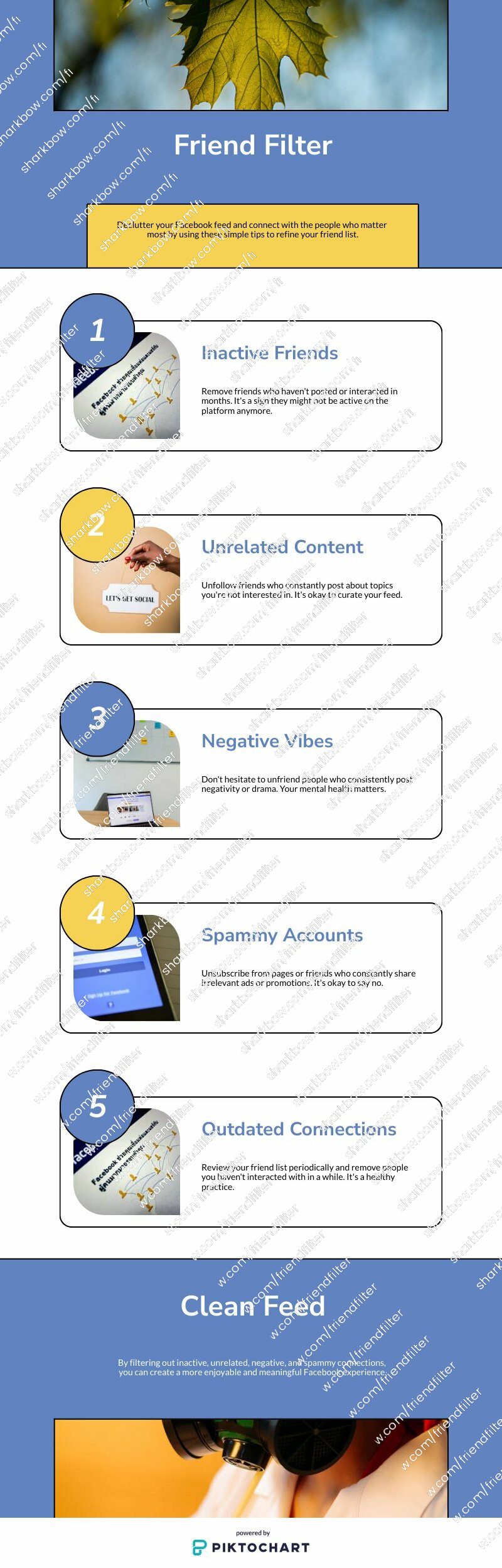
  • Facebook Analytics Tool Free – Data-Driven Insights with FriendFilterInfographics

    Power up your Facebook presence with FriendFilter, the top free Facebook analytics tool that makes complicated data simple to grasp through beautiful infographics. Monitor the performance of your content, track engagement, and understand your audience—all in an easy-to-gaze-at graphic form. FriendFilter is not only an analytics tool—it's also a friend remover browser extension that keeps your active friends list from getting bloated. Simply eliminate dormant friends and have your posts seen by an actually engaged audience. From social media managers to influencers and small business owners, FriendFilter simplifies the process of converting data into actionable insights. https://friendfilter.com
    Facebook Analytics Tool Free – Data-Driven Insights with FriendFilterInfographics Power up your Facebook presence with FriendFilter, the top free Facebook analytics tool that makes complicated data simple to grasp through beautiful infographics. Monitor the performance of your content, track engagement, and understand your audience—all in an easy-to-gaze-at graphic form. FriendFilter is not only an analytics tool—it's also a friend remover browser extension that keeps your active friends list from getting bloated. Simply eliminate dormant friends and have your posts seen by an actually engaged audience. From social media managers to influencers and small business owners, FriendFilter simplifies the process of converting data into actionable insights. https://friendfilter.com
    0 Kommentare 0 Anteile 2KB Ansichten 0 Vorschau
  • Top 10 Crypto YouTube Influencers To Follow In May (2025)

    With countless channels to choose from, we’ve curated the Top 10 Crypto YouTube Influencers to follow in May 2025, so you don’t have to waste time figuring out who’s worth watching.
    Read the full blog to discover all 10 influencers and why they should be on your radar this year!

    https://cryptoreach.io/blog/crypto-youtube-influencers/

    #Crypto #YouTube #Influencers #Blog #Finance #Market #Cryptocurrency
    Top 10 Crypto YouTube Influencers To Follow In May (2025) With countless channels to choose from, we’ve curated the Top 10 Crypto YouTube Influencers to follow in May 2025, so you don’t have to waste time figuring out who’s worth watching. Read the full blog to discover all 10 influencers and why they should be on your radar this year! https://cryptoreach.io/blog/crypto-youtube-influencers/ #Crypto #YouTube #Influencers #Blog #Finance #Market #Cryptocurrency
    CRYPTOREACH.IO
    Top 10 Crypto YouTube Influencers To Follow In May (2025) - Cryptoreach
    Explore the top 10 Crypto YouTube Influencers to follow for expert insights and crypto trends. Stay ahead in the Crypto World via this blog!
    0 Kommentare 0 Anteile 2KB Ansichten 0 Vorschau
  • Top 10 Crypto YouTube Influencers To Follow In May (2025)

    With countless channels to choose from, we’ve curated the Top 10 Crypto YouTube Influencers to follow in May 2025, so you don’t have to waste time figuring out who’s worth watching.

    These influencers are not just content creators — they’re educators, analysts, and trusted voices in the crypto space. Following them can keep you ahead of market trends and informed in a fast-moving industry.

    Read the full blog to discover all 10 influencers and why they should be on your radar this year!

    https://cryptoreach.io/blog/crypto-youtube-influencers/

    #Crypto #YouTube #Influencers #Blog #Finance #Market #Cryptocurrency
    Top 10 Crypto YouTube Influencers To Follow In May (2025) With countless channels to choose from, we’ve curated the Top 10 Crypto YouTube Influencers to follow in May 2025, so you don’t have to waste time figuring out who’s worth watching. These influencers are not just content creators — they’re educators, analysts, and trusted voices in the crypto space. Following them can keep you ahead of market trends and informed in a fast-moving industry. Read the full blog to discover all 10 influencers and why they should be on your radar this year! https://cryptoreach.io/blog/crypto-youtube-influencers/ #Crypto #YouTube #Influencers #Blog #Finance #Market #Cryptocurrency
    CRYPTOREACH.IO
    Top 10 Crypto YouTube Influencers To Follow In May (2025) - Cryptoreach
    Explore the top 10 Crypto YouTube Influencers to follow for expert insights and crypto trends. Stay ahead in the Crypto World via this blog!
    0 Kommentare 0 Anteile 2KB Ansichten 0 Vorschau
  • Ethnic Wear Market Share accelerating a CAGR during the forecast period

    Ethnic Wear Industry was valued at approximately USD 93.17 billion in 2024 and is projected to grow to USD 96.60 billion by 2025. The market is expected to expand further, reaching an estimated USD 133.75 billion by 2034. With a projected compound annual growth rate (CAGR) of 3.7% during the forecast period from 2025 to 2034, the industry is set for steady growth.

    The global ethnic wear market is experiencing significant growth, driven by a resurgence in cultural appreciation, increased disposable income, and the rising influence of traditional attire in modern fashion. With a diverse range of product offerings, including traditional wear, Indo-Western wear, and fusion wear, the market is poised to expand across various regions. Ethnic wear, long cherished for its rich craftsmanship and cultural significance, continues to evolve with contemporary designs and materials, catering to a broader consumer base across different price ranges.

    Key Players:

    Aditya Birla Fashion and Retail, Arvind Limited, Fabindia, and Reliance Retail

    "Request Free Sample" - Obtain a complimentary sample of our report to assess its quality and relevance to your requirements: https://www.marketresearchfuture.com/sample_request/24545

    Industry Development

    The ethnic wear market has witnessed rapid transformations over the past decade, with advancements in textile technology and the increasing penetration of e-commerce platforms. The fusion of traditional craftsmanship with modern design elements has led to an extensive product range that appeals to younger consumers seeking cultural yet trendy attire. The expansion of luxury ethnic wear brands and collaborations between designers and retail giants have significantly boosted the visibility and accessibility of ethnic fashion. Additionally, the rising influence of Bollywood and celebrity endorsements has further propelled market demand, especially in categories such as wedding and festive wear.

    Globalization and cross-cultural exchanges have played a pivotal role in making ethnic wear more popular in international markets. Designers are incorporating diverse fabrics, patterns, and embellishments to cater to consumers worldwide. With the advent of sustainable fashion, many brands are embracing eco-friendly materials such as organic cotton, handwoven silk, and plant-based dyes to meet the growing demand for environmentally responsible clothing. Furthermore, government initiatives in countries like India, where ethnic wear is deeply rooted in heritage, have supported the sector by promoting traditional handloom and textile industries.

    Market Segmentation and Trends

    Ethnic wear is categorized based on product type, material, design, occasion, price range, and region, each contributing uniquely to market expansion.

    Product Type: Traditional wear, Indo-Western wear, and fusion wear dominate the ethnic wear market. Traditional wear remains the cornerstone of the market, with sarees, salwar kameez, and lehengas being prominent choices. Indo-Western and fusion wear are gaining traction among younger demographics, blending contemporary silhouettes with ethnic elements to create modern yet culturally rich outfits.
    Material: Fabric choice plays a crucial role in consumer preferences. Cotton, silk, georgette, chiffon, and velvet are widely used materials, each offering distinct comfort, durability, and aesthetic appeal. Silk and velvet remain popular for premium ethnic wear, while cotton and georgette are preferred for daily and casual wear.
    Design: The market showcases a variety of designs, including embroidered, printed, beaded, sequined, and woven patterns. Embroidery and sequined designs remain highly sought after for festive and bridal wear, whereas printed and woven ethnic wear cater to everyday fashion needs.
    Occasion-Based Demand: Weddings, festivals, special occasions, and party wear categories significantly influence market growth. Wedding wear dominates the segment, with consumers willing to invest in high-end ethnic ensembles. Festivals and cultural events further drive seasonal sales, while party wear ethnic fashion is gaining popularity due to the increasing inclination toward fusion styles.
    Price Range: The ethnic wear market spans across low-end, mid-range, and high-end price segments. While budget-friendly ethnic wear caters to mass markets, the mid-range and premium segments see growing demand from affluent consumers seeking quality craftsmanship and exclusivity in design.
    "Proceed to Buy" - Move forward with your purchase and gain instant access to the complete report: https://www.marketresearchfuture.com/checkout?currency=one_user-USD&report_id=24545

    Regional Analysis

    The ethnic wear market is thriving globally, with substantial contributions from different regions.

    Asia-Pacific: This region leads the ethnic wear market, driven by strong demand in countries such as India, China, and Pakistan. India, in particular, is a key player, with a robust textile industry and a deep-rooted tradition of ethnic attire. Festivals, weddings, and religious ceremonies fuel sales, while the e-commerce boom has further expanded the reach of ethnic fashion.
    North America & Europe: The popularity of ethnic wear is growing in Western markets, where multicultural fashion trends are embraced. The rise in immigrant populations, fashion influencers promoting traditional attire, and an increasing preference for handcrafted textiles have contributed to market growth. Ethnic fashion is also gaining recognition in mainstream fashion circles, with leading brands incorporating elements of Indian, Middle Eastern, and African attire into their collections.
    Middle East & Africa: Traditional clothing has always been integral to cultural identity in this region. Kaftans, abayas, and intricately embroidered gowns are widely sought after. The demand for luxury ethnic wear in Gulf countries, coupled with increasing disposable income, makes this a lucrative market.
    South America: A growing appreciation for artisanal craftsmanship and sustainable textiles is driving demand in South America. Countries like Brazil and Argentina are witnessing an increase in ethnic-inspired fashion trends, influenced by cultural diversity and international collaborations.
    Market Drivers and Challenges

    Several factors are fueling the expansion of the ethnic wear market. Increasing consumer inclination toward cultural heritage and traditional aesthetics has significantly boosted demand. The influence of social media and fashion influencers in promoting ethnic styles has further strengthened consumer engagement. Additionally, the wedding industry plays a crucial role in market expansion, as bridal and occasion wear continue to be high-investment categories.

    E-commerce has been a game-changer, allowing brands to reach global audiences and offering consumers a wide variety of choices at competitive prices. Online platforms provide customization options, virtual try-ons, and doorstep delivery, making ethnic wear more accessible than ever. The emergence of rental and resale platforms for ethnic clothing is another trend gaining traction, as consumers seek cost-effective and sustainable fashion choices.

    However, the market faces several challenges, including price sensitivity among consumers and competition from Western fast fashion brands. The high cost of premium ethnic wear often limits affordability, particularly in emerging markets. Additionally, counterfeit products and mass production of low-quality replicas pose a threat to authentic craftsmanship. Fluctuating raw material costs and labor-intensive production processes also impact profit margins for manufacturers and retailers.

    Another major challenge is adapting ethnic wear to contemporary lifestyles without diluting its cultural significance. Many consumers prefer comfortable, easy-to-maintain outfits, leading designers to experiment with lightweight fabrics and modern cuts. Striking a balance between tradition and innovation remains a key focus for brands aiming to sustain long-term growth.

    "Browse Report" - Explore the report's contents, sections, and key insights by browsing through its detailed information: https://www.marketresearchfuture.com/reports/ethnic-wear-market-24545

    Future Outlook

    The future of the ethnic wear market looks promising, with continued innovation in design, sustainable practices, and technological advancements in textile manufacturing. The integration of smart textiles, 3D printing, and AI-driven customization is set to redefine the industry. Additionally, global collaborations and increasing cross-cultural influences will further boost market expansion.

    TABLE OF CONTENTS:

    1 EXECUTIVE SUMMARY
    2 MARKET INTRODUCTION
    3 RESEARCH METHODOLOGY
    4 MARKET DYNAMICS
    5 MARKET FACTOR ANALYSIS
    6 ETHNIC WEAR MARKET, BY FORM
    7 ETHNIC WEAR MARKET, BY CATEGORY
    8 ETHNIC WEAR MARKET, BY APPLICATION
    9 ETHNIC WEAR, BY REGION
    10 COMPETITIVE LANDSCAPE

    Discover more Research Reports on Consumer and Retail Industry, by Market Research Future:

    Rotels Luxurious Hotels On Wheels Market: https://www.marketresearchfuture.com/reports/rotels-luxurious-hotels-on-wheels-market-24908

    School Bags Market: https://www.marketresearchfuture.com/reports/school-bags-market-24988

    Biodegradable Baby Diapers Market: https://www.marketresearchfuture.com/reports/biodegradable-baby-diapers-market-25587

    Robot Vacuum Cleaners Market: https://www.marketresearchfuture.com/reports/robot-vacuum-cleaners-market-25603

    Slip Resistant Shoes Market: https://www.marketresearchfuture.com/reports/slip-resistant-shoes-market-25254

    Sports Events Ticket Market: https://www.marketresearchfuture.com/reports/sports-events-ticket-market-25303

    About Market Research Future:

    Market Research Future (MRFR) is a global market research company that takes pride in its services, offering a complete and accurate analysis with regard to diverse markets and consumers worldwide. Market Research Future has the distinguished objective of providing optimal quality research and granular research to clients. Our market research studies by products, services, technologies, applications, end users, and market players for global, regional, and country level market segments, enable our clients to see more, know more, and do more, which help answer your most important questions.

    Contact Us:

    Market Research Future (Part of Wantstats Research and Media Private Limited)

    99 Hudson Street, 5Th Floor

    New York, NY 10013

    United States of America

    +1 628 258 0071 (US)

    +44 2035 002 764 (UK)

    Email: [email protected]

    Website: https://www.marketresearchfuture.com

    Ethnic Wear Market Share accelerating a CAGR during the forecast period Ethnic Wear Industry was valued at approximately USD 93.17 billion in 2024 and is projected to grow to USD 96.60 billion by 2025. The market is expected to expand further, reaching an estimated USD 133.75 billion by 2034. With a projected compound annual growth rate (CAGR) of 3.7% during the forecast period from 2025 to 2034, the industry is set for steady growth. The global ethnic wear market is experiencing significant growth, driven by a resurgence in cultural appreciation, increased disposable income, and the rising influence of traditional attire in modern fashion. With a diverse range of product offerings, including traditional wear, Indo-Western wear, and fusion wear, the market is poised to expand across various regions. Ethnic wear, long cherished for its rich craftsmanship and cultural significance, continues to evolve with contemporary designs and materials, catering to a broader consumer base across different price ranges. Key Players: Aditya Birla Fashion and Retail, Arvind Limited, Fabindia, and Reliance Retail "Request Free Sample" - Obtain a complimentary sample of our report to assess its quality and relevance to your requirements: https://www.marketresearchfuture.com/sample_request/24545 Industry Development The ethnic wear market has witnessed rapid transformations over the past decade, with advancements in textile technology and the increasing penetration of e-commerce platforms. The fusion of traditional craftsmanship with modern design elements has led to an extensive product range that appeals to younger consumers seeking cultural yet trendy attire. The expansion of luxury ethnic wear brands and collaborations between designers and retail giants have significantly boosted the visibility and accessibility of ethnic fashion. Additionally, the rising influence of Bollywood and celebrity endorsements has further propelled market demand, especially in categories such as wedding and festive wear. Globalization and cross-cultural exchanges have played a pivotal role in making ethnic wear more popular in international markets. Designers are incorporating diverse fabrics, patterns, and embellishments to cater to consumers worldwide. With the advent of sustainable fashion, many brands are embracing eco-friendly materials such as organic cotton, handwoven silk, and plant-based dyes to meet the growing demand for environmentally responsible clothing. Furthermore, government initiatives in countries like India, where ethnic wear is deeply rooted in heritage, have supported the sector by promoting traditional handloom and textile industries. Market Segmentation and Trends Ethnic wear is categorized based on product type, material, design, occasion, price range, and region, each contributing uniquely to market expansion. Product Type: Traditional wear, Indo-Western wear, and fusion wear dominate the ethnic wear market. Traditional wear remains the cornerstone of the market, with sarees, salwar kameez, and lehengas being prominent choices. Indo-Western and fusion wear are gaining traction among younger demographics, blending contemporary silhouettes with ethnic elements to create modern yet culturally rich outfits. Material: Fabric choice plays a crucial role in consumer preferences. Cotton, silk, georgette, chiffon, and velvet are widely used materials, each offering distinct comfort, durability, and aesthetic appeal. Silk and velvet remain popular for premium ethnic wear, while cotton and georgette are preferred for daily and casual wear. Design: The market showcases a variety of designs, including embroidered, printed, beaded, sequined, and woven patterns. Embroidery and sequined designs remain highly sought after for festive and bridal wear, whereas printed and woven ethnic wear cater to everyday fashion needs. Occasion-Based Demand: Weddings, festivals, special occasions, and party wear categories significantly influence market growth. Wedding wear dominates the segment, with consumers willing to invest in high-end ethnic ensembles. Festivals and cultural events further drive seasonal sales, while party wear ethnic fashion is gaining popularity due to the increasing inclination toward fusion styles. Price Range: The ethnic wear market spans across low-end, mid-range, and high-end price segments. While budget-friendly ethnic wear caters to mass markets, the mid-range and premium segments see growing demand from affluent consumers seeking quality craftsmanship and exclusivity in design. "Proceed to Buy" - Move forward with your purchase and gain instant access to the complete report: https://www.marketresearchfuture.com/checkout?currency=one_user-USD&report_id=24545 Regional Analysis The ethnic wear market is thriving globally, with substantial contributions from different regions. Asia-Pacific: This region leads the ethnic wear market, driven by strong demand in countries such as India, China, and Pakistan. India, in particular, is a key player, with a robust textile industry and a deep-rooted tradition of ethnic attire. Festivals, weddings, and religious ceremonies fuel sales, while the e-commerce boom has further expanded the reach of ethnic fashion. North America & Europe: The popularity of ethnic wear is growing in Western markets, where multicultural fashion trends are embraced. The rise in immigrant populations, fashion influencers promoting traditional attire, and an increasing preference for handcrafted textiles have contributed to market growth. Ethnic fashion is also gaining recognition in mainstream fashion circles, with leading brands incorporating elements of Indian, Middle Eastern, and African attire into their collections. Middle East & Africa: Traditional clothing has always been integral to cultural identity in this region. Kaftans, abayas, and intricately embroidered gowns are widely sought after. The demand for luxury ethnic wear in Gulf countries, coupled with increasing disposable income, makes this a lucrative market. South America: A growing appreciation for artisanal craftsmanship and sustainable textiles is driving demand in South America. Countries like Brazil and Argentina are witnessing an increase in ethnic-inspired fashion trends, influenced by cultural diversity and international collaborations. Market Drivers and Challenges Several factors are fueling the expansion of the ethnic wear market. Increasing consumer inclination toward cultural heritage and traditional aesthetics has significantly boosted demand. The influence of social media and fashion influencers in promoting ethnic styles has further strengthened consumer engagement. Additionally, the wedding industry plays a crucial role in market expansion, as bridal and occasion wear continue to be high-investment categories. E-commerce has been a game-changer, allowing brands to reach global audiences and offering consumers a wide variety of choices at competitive prices. Online platforms provide customization options, virtual try-ons, and doorstep delivery, making ethnic wear more accessible than ever. The emergence of rental and resale platforms for ethnic clothing is another trend gaining traction, as consumers seek cost-effective and sustainable fashion choices. However, the market faces several challenges, including price sensitivity among consumers and competition from Western fast fashion brands. The high cost of premium ethnic wear often limits affordability, particularly in emerging markets. Additionally, counterfeit products and mass production of low-quality replicas pose a threat to authentic craftsmanship. Fluctuating raw material costs and labor-intensive production processes also impact profit margins for manufacturers and retailers. Another major challenge is adapting ethnic wear to contemporary lifestyles without diluting its cultural significance. Many consumers prefer comfortable, easy-to-maintain outfits, leading designers to experiment with lightweight fabrics and modern cuts. Striking a balance between tradition and innovation remains a key focus for brands aiming to sustain long-term growth. "Browse Report" - Explore the report's contents, sections, and key insights by browsing through its detailed information: https://www.marketresearchfuture.com/reports/ethnic-wear-market-24545 Future Outlook The future of the ethnic wear market looks promising, with continued innovation in design, sustainable practices, and technological advancements in textile manufacturing. The integration of smart textiles, 3D printing, and AI-driven customization is set to redefine the industry. Additionally, global collaborations and increasing cross-cultural influences will further boost market expansion. TABLE OF CONTENTS: 1 EXECUTIVE SUMMARY 2 MARKET INTRODUCTION 3 RESEARCH METHODOLOGY 4 MARKET DYNAMICS 5 MARKET FACTOR ANALYSIS 6 ETHNIC WEAR MARKET, BY FORM 7 ETHNIC WEAR MARKET, BY CATEGORY 8 ETHNIC WEAR MARKET, BY APPLICATION 9 ETHNIC WEAR, BY REGION 10 COMPETITIVE LANDSCAPE Discover more Research Reports on Consumer and Retail Industry, by Market Research Future: Rotels Luxurious Hotels On Wheels Market: https://www.marketresearchfuture.com/reports/rotels-luxurious-hotels-on-wheels-market-24908 School Bags Market: https://www.marketresearchfuture.com/reports/school-bags-market-24988 Biodegradable Baby Diapers Market: https://www.marketresearchfuture.com/reports/biodegradable-baby-diapers-market-25587 Robot Vacuum Cleaners Market: https://www.marketresearchfuture.com/reports/robot-vacuum-cleaners-market-25603 Slip Resistant Shoes Market: https://www.marketresearchfuture.com/reports/slip-resistant-shoes-market-25254 Sports Events Ticket Market: https://www.marketresearchfuture.com/reports/sports-events-ticket-market-25303 About Market Research Future: Market Research Future (MRFR) is a global market research company that takes pride in its services, offering a complete and accurate analysis with regard to diverse markets and consumers worldwide. Market Research Future has the distinguished objective of providing optimal quality research and granular research to clients. Our market research studies by products, services, technologies, applications, end users, and market players for global, regional, and country level market segments, enable our clients to see more, know more, and do more, which help answer your most important questions. Contact Us: Market Research Future (Part of Wantstats Research and Media Private Limited) 99 Hudson Street, 5Th Floor New York, NY 10013 United States of America +1 628 258 0071 (US) +44 2035 002 764 (UK) Email: [email protected] Website: https://www.marketresearchfuture.com
    WWW.MARKETRESEARCHFUTURE.COM
    Sample Request for Ethnic Wear Market Size, Share, Analysis, Trends & Forecast Report 2034
    Sample Request - Ethnic Wear Market Size is Anticipated to Reach at a USD 133.75 Billion 2034 with CAGR 3.7% by 2025-2034, Due to Rising Disposable Income and Changing Lifestyles
    0 Kommentare 0 Anteile 11KB Ansichten 0 Vorschau
  • Functional Coffee Market Research to Grow a CAGR during 2024 to 2034

    The Functional Coffee Market was valued at approximately USD 24.96 billion in 2024. It is projected to expand from USD 26.64 billion in 2025 to an estimated USD 47.79 billion by 2034. This represents a compound annual growth rate (CAGR) of around 6.7% throughout the forecast period (2025–2034).

    The functional coffee market has experienced remarkable growth, fueled by shifting consumer preferences for healthier beverage options that deliver additional benefits beyond traditional coffee. This burgeoning sector caters to health-conscious individuals seeking enhanced energy, weight management, mood improvement, digestive health, and immunity support. By integrating innovative ingredients and formats, the functional coffee market continues to reshape the global coffee industry landscape.

    Key Players:

    Lifeway, Stryve, RVIVR, Mushrooms for Health, Golde, Nootopia, Crazy Goat Coffee, Teeccino, Four Sigmatic, Mud Wtr, C4 Energy, Bulletproof 360, Fit Brew, Project Well

    "Request Free Sample" - Obtain a complimentary sample of our report to assess its quality and relevance to your requirements: https://www.marketresearchfuture.com/sample_request/24522

    Market Segmentation Overview

    By Product

    Functional coffee products address diverse health needs, offering specialized blends for energy and focus, weight management, mood enhancement, digestive health, and immunity boosts. Energy and focus products, often infused with caffeine and L-theanine, dominate the market due to rising demand among professionals, students, and athletes. Weight management coffee, featuring metabolism-boosting ingredients like green coffee extract, has gained popularity among fitness enthusiasts. Meanwhile, blends targeting mood enhancement and immunity are capturing attention for their incorporation of adaptogens, nootropics, and vitamins.

    By Ingredient

    Key ingredients driving the functional coffee market include caffeine, L-theanine, nootropics, adaptogens, and essential vitamins and minerals. Caffeine remains a staple, offering its well-known energy-boosting effects. L-theanine, commonly derived from tea, is prized for promoting relaxation without drowsiness, making it a complementary addition to caffeine. Adaptogens such as ashwagandha and ginseng support stress management, while nootropics like lion’s mane mushroom enhance cognitive function. Vitamins and minerals, such as vitamin D and zinc, provide additional health benefits, bolstering the appeal of functional coffee among wellness-focused consumers.

    By Format

    Functional coffee is available in various formats to cater to consumer preferences. Whole bean and ground coffee are favored by those who enjoy traditional brewing methods and premium taste experiences. Instant coffee and ready-to-drink (RTD) options cater to convenience-seeking consumers, offering portability and ease of use. Pods and capsules continue to gain traction due to their compatibility with single-serve coffee machines, making them a popular choice for modern households and workplaces.

    By Distribution Channel

    The distribution of functional coffee spans multiple channels, including online retailers, grocery stores, specialty coffee shops, mass merchandisers, and convenience stores. Online retailers have emerged as a dominant channel, driven by the convenience of doorstep delivery and the ability to access niche products. Grocery stores and mass merchandisers remain critical for reaching mainstream audiences, while specialty coffee shops offer premium and artisanal options. Convenience stores provide a quick solution for on-the-go consumers, particularly for RTD functional coffee products.

    By Regional Analysis

    The functional coffee market’s growth varies by region, with North America and Europe leading the charge. North America’s robust coffee culture and rising health awareness drive demand for innovative blends. Europe’s sophisticated coffee market has embraced functional options, particularly in wellness-conscious countries such as Germany and Scandinavia. In Asia-Pacific, the market is expanding rapidly, fueled by growing disposable incomes and the popularity of health-focused beverages in countries like China, Japan, and India. South America’s role as a key coffee producer positions it as a vital player in the global market. Meanwhile, the Middle East and Africa are witnessing gradual growth as functional coffee gains recognition in urban centers.

    "Proceed to Buy" - Move forward with your purchase and gain instant access to the complete report: https://www.marketresearchfuture.com/checkout?currency=one_user-USD&report_id=24522

    Market Drivers

    Health and Wellness Trends

    The global shift toward health and wellness has significantly influenced the functional coffee market. Consumers increasingly prioritize beverages that support their physical and mental well-being. Functional coffee’s ability to combine the familiar comfort of coffee with added health benefits positions it as a compelling choice for health-conscious individuals.

    Rising Demand for Convenience

    Busy lifestyles and the need for quick energy boosts have fueled demand for convenient functional coffee products. Ready-to-drink options and single-serve pods offer the perfect solution for on-the-go consumers, allowing them to enjoy functional benefits without compromising on convenience.

    Growing Popularity of Plant-Based and Natural Ingredients

    As consumers become more ingredient-conscious, the demand for plant-based and natural products has surged. Functional coffee brands have responded by incorporating organic, non-GMO, and plant-based ingredients into their blends, appealing to eco-conscious and health-focused demographics.

    Innovation in Product Development

    Continuous innovation in product development has been a driving force in the functional coffee market. Brands are leveraging scientific research to create blends tailored to specific health benefits, introducing new ingredients and formulations to meet evolving consumer needs. For instance, the incorporation of CBD and probiotics in functional coffee has opened new avenues for growth.

    Expansion of E-Commerce Platforms

    The rise of e-commerce platforms has revolutionized the way consumers purchase functional coffee. Online channels offer access to a broader range of products, enabling consumers to discover unique blends and emerging brands. Additionally, subscription services provide convenience and foster customer loyalty.

    Market Challenges

    High Production Costs

    The inclusion of premium ingredients, such as adaptogens and nootropics, increases production costs, which can translate to higher retail prices. This poses a challenge for brands seeking to make functional coffee accessible to a wider audience while maintaining profitability.

    Regulatory and Labeling Issues

    The functional coffee market faces regulatory challenges, particularly concerning health claims and ingredient approvals. Ensuring compliance with regional regulations and providing clear, accurate labeling are critical for building consumer trust and avoiding legal complications.

    Consumer Awareness and Education

    Despite its growth, functional coffee remains a relatively niche segment. Limited consumer awareness about the benefits of functional ingredients can hinder market penetration. Brands must invest in marketing and educational initiatives to bridge this gap and drive adoption.

    "Browse Report" - Explore the report's contents, sections, and key insights by browsing through its detailed information: https://www.marketresearchfuture.com/reports/functional-coffee-market-24522

    Competition from Traditional Coffee Products

    Functional coffee competes with traditional coffee products that have long-established consumer bases. Convincing loyal coffee drinkers to switch to functional alternatives requires significant effort in highlighting the added benefits and differentiating from standard offerings.

    Industry Developments

    Collaborations and Partnerships

    Functional coffee brands are increasingly collaborating with ingredient suppliers, research institutions, and wellness influencers to enhance product development and market reach. These partnerships enable brands to leverage expertise, expand distribution networks, and tap into new consumer segments.

    Focus on Sustainability

    Sustainability has become a priority for functional coffee brands, with many adopting eco-friendly practices in sourcing, packaging, and production. Ethical sourcing of coffee beans and the use of biodegradable or recyclable packaging resonate with environmentally conscious consumers.

    Emergence of Local and Niche Players

    The functional coffee market has witnessed the rise of local and niche players offering unique blends and artisanal options. These brands cater to specific consumer preferences and often emphasize transparency, authenticity, and quality.

    Technological Advancements

    Advancements in food technology have enabled the development of functional coffee products with improved taste, solubility, and bioavailability. Microencapsulation and other techniques enhance the stability and efficacy of functional ingredients, ensuring a superior consumer experience.


    Discover more Research Reports on Food, Beverages & Nutrition Industry, by Market Research Future:

    biotin ingredient Market : https://www.marketresearchfuture.com/reports/biotin-ingredient-market-25057

    birch sap Market : https://www.marketresearchfuture.com/reports/birch-sap-market-25062

    brewers yeast Market : https://www.marketresearchfuture.com/reports/brewers-yeast-market-25090

    sesame oil Market : https://www.marketresearchfuture.com/reports/sesame-oil-market-25134

    stock cube Market : https://www.marketresearchfuture.com/reports/stock-cube-market-24872
    Functional Coffee Market Research to Grow a CAGR during 2024 to 2034 The Functional Coffee Market was valued at approximately USD 24.96 billion in 2024. It is projected to expand from USD 26.64 billion in 2025 to an estimated USD 47.79 billion by 2034. This represents a compound annual growth rate (CAGR) of around 6.7% throughout the forecast period (2025–2034). The functional coffee market has experienced remarkable growth, fueled by shifting consumer preferences for healthier beverage options that deliver additional benefits beyond traditional coffee. This burgeoning sector caters to health-conscious individuals seeking enhanced energy, weight management, mood improvement, digestive health, and immunity support. By integrating innovative ingredients and formats, the functional coffee market continues to reshape the global coffee industry landscape. Key Players: Lifeway, Stryve, RVIVR, Mushrooms for Health, Golde, Nootopia, Crazy Goat Coffee, Teeccino, Four Sigmatic, Mud Wtr, C4 Energy, Bulletproof 360, Fit Brew, Project Well "Request Free Sample" - Obtain a complimentary sample of our report to assess its quality and relevance to your requirements: https://www.marketresearchfuture.com/sample_request/24522 Market Segmentation Overview By Product Functional coffee products address diverse health needs, offering specialized blends for energy and focus, weight management, mood enhancement, digestive health, and immunity boosts. Energy and focus products, often infused with caffeine and L-theanine, dominate the market due to rising demand among professionals, students, and athletes. Weight management coffee, featuring metabolism-boosting ingredients like green coffee extract, has gained popularity among fitness enthusiasts. Meanwhile, blends targeting mood enhancement and immunity are capturing attention for their incorporation of adaptogens, nootropics, and vitamins. By Ingredient Key ingredients driving the functional coffee market include caffeine, L-theanine, nootropics, adaptogens, and essential vitamins and minerals. Caffeine remains a staple, offering its well-known energy-boosting effects. L-theanine, commonly derived from tea, is prized for promoting relaxation without drowsiness, making it a complementary addition to caffeine. Adaptogens such as ashwagandha and ginseng support stress management, while nootropics like lion’s mane mushroom enhance cognitive function. Vitamins and minerals, such as vitamin D and zinc, provide additional health benefits, bolstering the appeal of functional coffee among wellness-focused consumers. By Format Functional coffee is available in various formats to cater to consumer preferences. Whole bean and ground coffee are favored by those who enjoy traditional brewing methods and premium taste experiences. Instant coffee and ready-to-drink (RTD) options cater to convenience-seeking consumers, offering portability and ease of use. Pods and capsules continue to gain traction due to their compatibility with single-serve coffee machines, making them a popular choice for modern households and workplaces. By Distribution Channel The distribution of functional coffee spans multiple channels, including online retailers, grocery stores, specialty coffee shops, mass merchandisers, and convenience stores. Online retailers have emerged as a dominant channel, driven by the convenience of doorstep delivery and the ability to access niche products. Grocery stores and mass merchandisers remain critical for reaching mainstream audiences, while specialty coffee shops offer premium and artisanal options. Convenience stores provide a quick solution for on-the-go consumers, particularly for RTD functional coffee products. By Regional Analysis The functional coffee market’s growth varies by region, with North America and Europe leading the charge. North America’s robust coffee culture and rising health awareness drive demand for innovative blends. Europe’s sophisticated coffee market has embraced functional options, particularly in wellness-conscious countries such as Germany and Scandinavia. In Asia-Pacific, the market is expanding rapidly, fueled by growing disposable incomes and the popularity of health-focused beverages in countries like China, Japan, and India. South America’s role as a key coffee producer positions it as a vital player in the global market. Meanwhile, the Middle East and Africa are witnessing gradual growth as functional coffee gains recognition in urban centers. "Proceed to Buy" - Move forward with your purchase and gain instant access to the complete report: https://www.marketresearchfuture.com/checkout?currency=one_user-USD&report_id=24522 Market Drivers Health and Wellness Trends The global shift toward health and wellness has significantly influenced the functional coffee market. Consumers increasingly prioritize beverages that support their physical and mental well-being. Functional coffee’s ability to combine the familiar comfort of coffee with added health benefits positions it as a compelling choice for health-conscious individuals. Rising Demand for Convenience Busy lifestyles and the need for quick energy boosts have fueled demand for convenient functional coffee products. Ready-to-drink options and single-serve pods offer the perfect solution for on-the-go consumers, allowing them to enjoy functional benefits without compromising on convenience. Growing Popularity of Plant-Based and Natural Ingredients As consumers become more ingredient-conscious, the demand for plant-based and natural products has surged. Functional coffee brands have responded by incorporating organic, non-GMO, and plant-based ingredients into their blends, appealing to eco-conscious and health-focused demographics. Innovation in Product Development Continuous innovation in product development has been a driving force in the functional coffee market. Brands are leveraging scientific research to create blends tailored to specific health benefits, introducing new ingredients and formulations to meet evolving consumer needs. For instance, the incorporation of CBD and probiotics in functional coffee has opened new avenues for growth. Expansion of E-Commerce Platforms The rise of e-commerce platforms has revolutionized the way consumers purchase functional coffee. Online channels offer access to a broader range of products, enabling consumers to discover unique blends and emerging brands. Additionally, subscription services provide convenience and foster customer loyalty. Market Challenges High Production Costs The inclusion of premium ingredients, such as adaptogens and nootropics, increases production costs, which can translate to higher retail prices. This poses a challenge for brands seeking to make functional coffee accessible to a wider audience while maintaining profitability. Regulatory and Labeling Issues The functional coffee market faces regulatory challenges, particularly concerning health claims and ingredient approvals. Ensuring compliance with regional regulations and providing clear, accurate labeling are critical for building consumer trust and avoiding legal complications. Consumer Awareness and Education Despite its growth, functional coffee remains a relatively niche segment. Limited consumer awareness about the benefits of functional ingredients can hinder market penetration. Brands must invest in marketing and educational initiatives to bridge this gap and drive adoption. "Browse Report" - Explore the report's contents, sections, and key insights by browsing through its detailed information: https://www.marketresearchfuture.com/reports/functional-coffee-market-24522 Competition from Traditional Coffee Products Functional coffee competes with traditional coffee products that have long-established consumer bases. Convincing loyal coffee drinkers to switch to functional alternatives requires significant effort in highlighting the added benefits and differentiating from standard offerings. Industry Developments Collaborations and Partnerships Functional coffee brands are increasingly collaborating with ingredient suppliers, research institutions, and wellness influencers to enhance product development and market reach. These partnerships enable brands to leverage expertise, expand distribution networks, and tap into new consumer segments. Focus on Sustainability Sustainability has become a priority for functional coffee brands, with many adopting eco-friendly practices in sourcing, packaging, and production. Ethical sourcing of coffee beans and the use of biodegradable or recyclable packaging resonate with environmentally conscious consumers. Emergence of Local and Niche Players The functional coffee market has witnessed the rise of local and niche players offering unique blends and artisanal options. These brands cater to specific consumer preferences and often emphasize transparency, authenticity, and quality. Technological Advancements Advancements in food technology have enabled the development of functional coffee products with improved taste, solubility, and bioavailability. Microencapsulation and other techniques enhance the stability and efficacy of functional ingredients, ensuring a superior consumer experience. Discover more Research Reports on Food, Beverages & Nutrition Industry, by Market Research Future: biotin ingredient Market : https://www.marketresearchfuture.com/reports/biotin-ingredient-market-25057 birch sap Market : https://www.marketresearchfuture.com/reports/birch-sap-market-25062 brewers yeast Market : https://www.marketresearchfuture.com/reports/brewers-yeast-market-25090 sesame oil Market : https://www.marketresearchfuture.com/reports/sesame-oil-market-25134 stock cube Market : https://www.marketresearchfuture.com/reports/stock-cube-market-24872
    WWW.MARKETRESEARCHFUTURE.COM
    Sample Request for Functional Coffee Market Demand, Size, Share, Growth | Report 2034
    Sample Request - Functional Coffee Market Size is Anticipated to Reach at a 47.79 USD Billion 2034 with CAGR 6.7% by 2025-2034, Due to Increasing Health Consciousness
    0 Kommentare 0 Anteile 11KB Ansichten 0 Vorschau
  • Adventure And Safari Market: A Technology Analysis of the Key Products and Their Applications

    Adventure and Safari Market Size was estimated at 175.82 (USD Billion) in 2024. The Adventure and Safari Market Industry is expected to grow from 184.89 (USD Billion) in 2025 to 290.84 (USD Billion) by 2034. The Adventure and Safari Market CAGR (growth rate) is expected to be around 5.16% during the forecast period (2025 - 2034).

    The adventure and safari market has evolved significantly in recent years, driven by an increasing demand for unique travel experiences. Travelers today seek immersive and experiential journeys that go beyond conventional tourism. The rise of eco-tourism and sustainable travel has further influenced market trends, encouraging conservation-focused safaris and responsible wildlife tourism. Advancements in digital technology, such as virtual reality previews and AI-driven personalized itineraries, have also contributed to the market’s growth by enhancing customer experience and trip planning. Additionally, increased accessibility to remote locations due to improved transportation infrastructure has opened up new safari and adventure destinations.

    Key Players are:

    National Geographic Expeditions, AdventureSmith Explorations, The Explorations Company, Abercrombie Kent, UnCruise Adve`ntures, Lindblad Expeditions, Intrepid Travel, Wilderness Travel, African Travel, Natural Habitat Adventures, SafariBookings.com, REI Adventures, G Adventures, Trafalgar

    "REQUEST FREE SAMPLE REPORT" - Obtain a free sample report to get a firsthand look at our comprehensive insights.

    Market Segmentation

    By Activity Type

    Adventure and safari experiences are diverse, catering to various traveler preferences. Wildlife safaris remain the most sought-after activity, attracting nature enthusiasts who wish to observe animals in their natural habitats. Hiking and trekking have gained traction among adventure travelers, with destinations like the Himalayas, Andes, and Kilimanjaro offering challenging trails. Wildlife photography is another niche segment driven by professional and amateur photographers eager to capture breathtaking moments. Birdwatching has seen an uptick in popularity, with destinations like Costa Rica and the Pantanal attracting ornithologists and hobbyists alike. Mountain climbing challenges thrill-seekers to conquer peaks, while camping and glamping provide immersive outdoor experiences with varying degrees of luxury.

    By Destination

    Safari and adventure markets are heavily influenced by location appeal. The African savanna is a premier safari destination, with countries like Kenya, Tanzania, and South Africa offering iconic wildlife encounters. Asian jungles, including India’s Ranthambore and Indonesia’s Borneo, provide rich biodiversity and unique wildlife experiences. The Amazon rainforest is another hotspot, drawing eco-tourists interested in its unparalleled biodiversity. Antarctica and Arctic regions cater to expedition travelers eager to witness polar wildlife and dramatic landscapes. Mountains and deserts attract adventurers looking for rugged landscapes, from the Rockies and Alps to the vast dunes of Namibia and the Arabian Peninsula.

    By Travel Style

    The market accommodates a range of travel styles. Luxury safaris cater to high-end travelers seeking premium accommodations, exclusive wildlife experiences, and personalized services. Mid-range safaris balance comfort and affordability, making adventure travel accessible to a broader audience. Budget safaris and backpacking options appeal to cost-conscious travelers looking for authentic experiences on a shoestring budget. Overlanding tours offer a rugged, road-trip-like experience through multiple destinations, while expedition cruising brings adventure to remote coastal regions like the Galápagos Islands and Arctic waters.

    By Group Size

    Traveler preferences for group sizes vary widely. Solo travelers often seek flexible, customized adventures, while small group tours provide a more intimate experience with expert guides. Large group tours cater to organized expeditions, often focused on wildlife and cultural experiences. Family adventures are on the rise, with operators offering child-friendly safaris and interactive wildlife experiences. Corporate retreats and incentive trips have also gained momentum, leveraging adventure travel for team-building and executive bonding experiences.

    Market Drivers

    The adventure and safari market is fueled by several key drivers. Rising disposable income and increasing travel enthusiasm have encouraged people to explore exotic locations. Social media has played a crucial role in inspiring adventure travel, with influencers and travelers sharing captivating safari experiences. Growing awareness of wildlife conservation has led to an increased interest in responsible tourism, prompting travelers to support eco-friendly and community-driven initiatives. Additionally, advancements in travel logistics and safety measures have made remote adventure destinations more accessible and secure.

    Another major driver is the shift towards experiential travel, where tourists seek unique and immersive experiences rather than traditional sightseeing. Adventure tourism offers the thrill of exploration, whether through tracking gorillas in Uganda or kayaking in Patagonia. Wellness tourism has also influenced the sector, with more travelers opting for activities like trekking, yoga retreats in nature, and wildlife therapy experiences.

    "Browse Report" - Explore the report's contents, sections, and key insights by browsing through its detailed information

    Challenges in the Market

    Despite its growth, the adventure and safari market faces several challenges. Environmental concerns and climate change pose a threat to ecosystems and wildlife, impacting the sustainability of safaris and adventure activities. Over-tourism in popular destinations can lead to habitat destruction and increased human-wildlife conflicts. Additionally, regulatory restrictions and conservation policies can limit access to protected areas, affecting the availability of certain adventure experiences.

    High costs and economic fluctuations also present challenges, as adventure travel often requires substantial investments in transportation, permits, and accommodations. Political instability in certain regions, such as parts of Africa and South America, can deter travelers due to safety concerns. Moreover, the COVID-19 pandemic’s lingering impact has reshaped travel behaviors, with heightened demand for private and customized experiences but also increased concerns about health and safety in group settings.

    Grab More Report:

    soluble fiber market: https://www.marketresearchfuture.com/reports/soluble-fiber-market-12478

    natural vitamin e market: https://www.marketresearchfuture.com/reports/natural-vitamin-e-market-12527

    vegan fashion market: https://www.marketresearchfuture.com/reports/vegan-fashion-market-13990

    sunflower seeds market: https://www.marketresearchfuture.com/reports/sunflower-seeds-market-22183

    canada wine market: https://www.marketresearchfuture.com/reports/canada-wine-market-22495

    north America meal replacement market https://www.marketresearchfuture.com/reports/north-america-meal-replacement-market-31484

    About Market Research Future:

    Market Research Future (MRFR) is a world-renowned market research company that offers a wide range of services, complete with accurate and precise analysis about diverse markets, sub-markets and target consumers. Our approach is a combination of extensive information and multiple data sources that help provide an exhaustive comprehension about the latest major developments to the client, in addition to future events and what measures and decisions to take on the basis of the same.

    Our fast-emerging market research firm is armed with an adept research analysts’ team that focuses on gathering useful data and analytics in terms of economic and technological advances. Our proficient analysts conduct industrial visits in a bid to achieve reliable and accurate information from established market participants. One of our foremost objectives is to keep the client well-versed with all the lucrative opportunities as well as challenges surrounding various global markets. We offer step-by-step guidance to our clients, through consulting and strategic services, enabling them to arrive at a practical and effective decision.

    Contact us:

    Market Research Future (part of Wantstats Research and Media Private Limited),

    99 Hudson Street,5Th Floor, New York, New York 10013, United States of America

    PH no.: +1 646 845 9312

    Email: [email protected]
    Adventure And Safari Market: A Technology Analysis of the Key Products and Their Applications Adventure and Safari Market Size was estimated at 175.82 (USD Billion) in 2024. The Adventure and Safari Market Industry is expected to grow from 184.89 (USD Billion) in 2025 to 290.84 (USD Billion) by 2034. The Adventure and Safari Market CAGR (growth rate) is expected to be around 5.16% during the forecast period (2025 - 2034). The adventure and safari market has evolved significantly in recent years, driven by an increasing demand for unique travel experiences. Travelers today seek immersive and experiential journeys that go beyond conventional tourism. The rise of eco-tourism and sustainable travel has further influenced market trends, encouraging conservation-focused safaris and responsible wildlife tourism. Advancements in digital technology, such as virtual reality previews and AI-driven personalized itineraries, have also contributed to the market’s growth by enhancing customer experience and trip planning. Additionally, increased accessibility to remote locations due to improved transportation infrastructure has opened up new safari and adventure destinations. Key Players are: National Geographic Expeditions, AdventureSmith Explorations, The Explorations Company, Abercrombie Kent, UnCruise Adve`ntures, Lindblad Expeditions, Intrepid Travel, Wilderness Travel, African Travel, Natural Habitat Adventures, SafariBookings.com, REI Adventures, G Adventures, Trafalgar "REQUEST FREE SAMPLE REPORT" - Obtain a free sample report to get a firsthand look at our comprehensive insights. Market Segmentation By Activity Type Adventure and safari experiences are diverse, catering to various traveler preferences. Wildlife safaris remain the most sought-after activity, attracting nature enthusiasts who wish to observe animals in their natural habitats. Hiking and trekking have gained traction among adventure travelers, with destinations like the Himalayas, Andes, and Kilimanjaro offering challenging trails. Wildlife photography is another niche segment driven by professional and amateur photographers eager to capture breathtaking moments. Birdwatching has seen an uptick in popularity, with destinations like Costa Rica and the Pantanal attracting ornithologists and hobbyists alike. Mountain climbing challenges thrill-seekers to conquer peaks, while camping and glamping provide immersive outdoor experiences with varying degrees of luxury. By Destination Safari and adventure markets are heavily influenced by location appeal. The African savanna is a premier safari destination, with countries like Kenya, Tanzania, and South Africa offering iconic wildlife encounters. Asian jungles, including India’s Ranthambore and Indonesia’s Borneo, provide rich biodiversity and unique wildlife experiences. The Amazon rainforest is another hotspot, drawing eco-tourists interested in its unparalleled biodiversity. Antarctica and Arctic regions cater to expedition travelers eager to witness polar wildlife and dramatic landscapes. Mountains and deserts attract adventurers looking for rugged landscapes, from the Rockies and Alps to the vast dunes of Namibia and the Arabian Peninsula. By Travel Style The market accommodates a range of travel styles. Luxury safaris cater to high-end travelers seeking premium accommodations, exclusive wildlife experiences, and personalized services. Mid-range safaris balance comfort and affordability, making adventure travel accessible to a broader audience. Budget safaris and backpacking options appeal to cost-conscious travelers looking for authentic experiences on a shoestring budget. Overlanding tours offer a rugged, road-trip-like experience through multiple destinations, while expedition cruising brings adventure to remote coastal regions like the Galápagos Islands and Arctic waters. By Group Size Traveler preferences for group sizes vary widely. Solo travelers often seek flexible, customized adventures, while small group tours provide a more intimate experience with expert guides. Large group tours cater to organized expeditions, often focused on wildlife and cultural experiences. Family adventures are on the rise, with operators offering child-friendly safaris and interactive wildlife experiences. Corporate retreats and incentive trips have also gained momentum, leveraging adventure travel for team-building and executive bonding experiences. Market Drivers The adventure and safari market is fueled by several key drivers. Rising disposable income and increasing travel enthusiasm have encouraged people to explore exotic locations. Social media has played a crucial role in inspiring adventure travel, with influencers and travelers sharing captivating safari experiences. Growing awareness of wildlife conservation has led to an increased interest in responsible tourism, prompting travelers to support eco-friendly and community-driven initiatives. Additionally, advancements in travel logistics and safety measures have made remote adventure destinations more accessible and secure. Another major driver is the shift towards experiential travel, where tourists seek unique and immersive experiences rather than traditional sightseeing. Adventure tourism offers the thrill of exploration, whether through tracking gorillas in Uganda or kayaking in Patagonia. Wellness tourism has also influenced the sector, with more travelers opting for activities like trekking, yoga retreats in nature, and wildlife therapy experiences. "Browse Report" - Explore the report's contents, sections, and key insights by browsing through its detailed information Challenges in the Market Despite its growth, the adventure and safari market faces several challenges. Environmental concerns and climate change pose a threat to ecosystems and wildlife, impacting the sustainability of safaris and adventure activities. Over-tourism in popular destinations can lead to habitat destruction and increased human-wildlife conflicts. Additionally, regulatory restrictions and conservation policies can limit access to protected areas, affecting the availability of certain adventure experiences. High costs and economic fluctuations also present challenges, as adventure travel often requires substantial investments in transportation, permits, and accommodations. Political instability in certain regions, such as parts of Africa and South America, can deter travelers due to safety concerns. Moreover, the COVID-19 pandemic’s lingering impact has reshaped travel behaviors, with heightened demand for private and customized experiences but also increased concerns about health and safety in group settings. Grab More Report: soluble fiber market: https://www.marketresearchfuture.com/reports/soluble-fiber-market-12478 natural vitamin e market: https://www.marketresearchfuture.com/reports/natural-vitamin-e-market-12527 vegan fashion market: https://www.marketresearchfuture.com/reports/vegan-fashion-market-13990 sunflower seeds market: https://www.marketresearchfuture.com/reports/sunflower-seeds-market-22183 canada wine market: https://www.marketresearchfuture.com/reports/canada-wine-market-22495 north America meal replacement market https://www.marketresearchfuture.com/reports/north-america-meal-replacement-market-31484 About Market Research Future: Market Research Future (MRFR) is a world-renowned market research company that offers a wide range of services, complete with accurate and precise analysis about diverse markets, sub-markets and target consumers. Our approach is a combination of extensive information and multiple data sources that help provide an exhaustive comprehension about the latest major developments to the client, in addition to future events and what measures and decisions to take on the basis of the same. Our fast-emerging market research firm is armed with an adept research analysts’ team that focuses on gathering useful data and analytics in terms of economic and technological advances. Our proficient analysts conduct industrial visits in a bid to achieve reliable and accurate information from established market participants. One of our foremost objectives is to keep the client well-versed with all the lucrative opportunities as well as challenges surrounding various global markets. We offer step-by-step guidance to our clients, through consulting and strategic services, enabling them to arrive at a practical and effective decision. Contact us: Market Research Future (part of Wantstats Research and Media Private Limited), 99 Hudson Street,5Th Floor, New York, New York 10013, United States of America PH no.: +1 646 845 9312 Email: [email protected]
    WWW.MARKETRESEARCHFUTURE.COM
    Soluble Fiber Market Size, Share, Trends Analysis, 2034
    Soluble Fiber Market Size is Anticipated to reach USD 7.00 Billion by 2034 with a 8.0% CAGR By 2025–2034, Due to Growing Awareness About Health Benefits of Soluble Fibers
    0 Kommentare 0 Anteile 9KB Ansichten 0 Vorschau
  • https://www.andromedaloans.com/a-well-paid-business-opportunity-for-financial-influencers-in-andromeda-loans/

    In recent times, finance influencers have gained immense popularity. Most millennials and Gen Z working adults rely on personal finance experts online to sort out their finances. If you are a finance influencer, your expertise in investment strategies can help individuals improve their financial circumstances. However, are you tired of working solo as an influencer? Wondering if you can use your financial expertise to build a more reliable income? If you are a finance influencer looking to explore alternate career options, you can consider working as a DSA or a loan agent. A direct selling agent (DSA) connects borrowers to lending firms. They help borrowers with their loan applications, handle the paperwork for their firms, and identify new prospects.

    https://www.andromedaloans.com/a-well-paid-business-opportunity-for-financial-influencers-in-andromeda-loans/ In recent times, finance influencers have gained immense popularity. Most millennials and Gen Z working adults rely on personal finance experts online to sort out their finances. If you are a finance influencer, your expertise in investment strategies can help individuals improve their financial circumstances. However, are you tired of working solo as an influencer? Wondering if you can use your financial expertise to build a more reliable income? If you are a finance influencer looking to explore alternate career options, you can consider working as a DSA or a loan agent. A direct selling agent (DSA) connects borrowers to lending firms. They help borrowers with their loan applications, handle the paperwork for their firms, and identify new prospects.
    0 Kommentare 0 Anteile 2KB Ansichten 0 Vorschau
Inserate