• The best way to predict the future is to create it.

    Start your day by identifying your single most critical task – the one action that will have the biggest impact and, if completed, will mean the day was a success. Dedicate the first 60-90 minutes of your workday, or a similar uninterrupted block of time, to intensely focus on this one task before engaging with emails, meetings, or other distractions. This "Most Important Task" (MIT) approach ensures that you're proactively driving progress on what truly matters, even amidst the daily chaos.
    The best way to predict the future is to create it. Start your day by identifying your single most critical task – the one action that will have the biggest impact and, if completed, will mean the day was a success. Dedicate the first 60-90 minutes of your workday, or a similar uninterrupted block of time, to intensely focus on this one task before engaging with emails, meetings, or other distractions. This "Most Important Task" (MIT) approach ensures that you're proactively driving progress on what truly matters, even amidst the daily chaos.
    0 Comments 0 Shares 8K Views 0 Reviews
  • The rise of Large Language Models (LLMs) like GPT-3, BERT, and their successors has undeniably revolutionized the landscape of Natural Language Processing (NLP). These models, characterized by their massive scale and the sophisticated transformer architecture, have demonstrated an uncanny ability to understand, generate, and even reason with human language across a wide spectrum of tasks. From drafting emails and writing code to summarizing complex documents and engaging in nuanced conversations, LLMs are rapidly becoming indispensable tools for both developers and end-users, driving innovation and pushing the boundaries of what was previously thought possible in artificial intelligence.

    However, this remarkable advancement comes with a significant set of challenges, particularly in the realm of security and privacy. The very power of LLMs, their capacity to process and generate human-like text, also makes them potent tools for malicious actors. Prompt injection attacks, where adversarial inputs are crafted to manipulate an LLM into performing unintended actions or revealing sensitive information, are a prime example. These attacks highlight a fundamental vulnerability in how LLMs interpret and execute instructions, often based on the input provided, without robust underlying security checks. The implications are far-reaching, potentially leading to data breaches, the dissemination of misinformation, or the execution of unauthorized commands.

    Furthermore, the opaque nature of these large-scale models presents a significant hurdle for auditing and ensuring ethical deployment. Understanding the decision-making process of an LLM, especially when it errs or produces biased output, is exceedingly difficult due to their complex internal structures. This lack of interpretability makes it challenging to identify and rectify biases inherited from their training data, or to ensure that the model is not generating harmful or discriminatory content. Building trust in LLMs necessitates advancements in explainable AI (XAI) techniques tailored for these massive models, allowing us to probe their internal workings and understand the rationale behind their outputs.

    Addressing these security and ethical concerns is paramount for the responsible development and widespread adoption of LLMs. This involves a multi-pronged approach. Firstly, robust input validation and sanitization mechanisms are crucial to mitigate prompt injection risks, treating LLM inputs with the same adversarial scrutiny as any other form of user-generated content. Secondly, ongoing research into adversarial training and model robustness is essential, aiming to make LLMs more resilient to manipulation. Thirdly, significant investment in XAI research is needed to develop methods for interpreting LLM behavior, enabling better debugging, bias detection, and ethical oversight. Finally, establishing clear guidelines and best practices for LLM development and deployment, fostering collaboration between researchers, developers, and policymakers, will be key to navigating this rapidly evolving frontier responsibly. The future of LLMs is bright, but ensuring their security and ethical alignment is a shared responsibility that demands our immediate attention.
    The rise of Large Language Models (LLMs) like GPT-3, BERT, and their successors has undeniably revolutionized the landscape of Natural Language Processing (NLP). These models, characterized by their massive scale and the sophisticated transformer architecture, have demonstrated an uncanny ability to understand, generate, and even reason with human language across a wide spectrum of tasks. From drafting emails and writing code to summarizing complex documents and engaging in nuanced conversations, LLMs are rapidly becoming indispensable tools for both developers and end-users, driving innovation and pushing the boundaries of what was previously thought possible in artificial intelligence. However, this remarkable advancement comes with a significant set of challenges, particularly in the realm of security and privacy. The very power of LLMs, their capacity to process and generate human-like text, also makes them potent tools for malicious actors. Prompt injection attacks, where adversarial inputs are crafted to manipulate an LLM into performing unintended actions or revealing sensitive information, are a prime example. These attacks highlight a fundamental vulnerability in how LLMs interpret and execute instructions, often based on the input provided, without robust underlying security checks. The implications are far-reaching, potentially leading to data breaches, the dissemination of misinformation, or the execution of unauthorized commands. Furthermore, the opaque nature of these large-scale models presents a significant hurdle for auditing and ensuring ethical deployment. Understanding the decision-making process of an LLM, especially when it errs or produces biased output, is exceedingly difficult due to their complex internal structures. This lack of interpretability makes it challenging to identify and rectify biases inherited from their training data, or to ensure that the model is not generating harmful or discriminatory content. Building trust in LLMs necessitates advancements in explainable AI (XAI) techniques tailored for these massive models, allowing us to probe their internal workings and understand the rationale behind their outputs. Addressing these security and ethical concerns is paramount for the responsible development and widespread adoption of LLMs. This involves a multi-pronged approach. Firstly, robust input validation and sanitization mechanisms are crucial to mitigate prompt injection risks, treating LLM inputs with the same adversarial scrutiny as any other form of user-generated content. Secondly, ongoing research into adversarial training and model robustness is essential, aiming to make LLMs more resilient to manipulation. Thirdly, significant investment in XAI research is needed to develop methods for interpreting LLM behavior, enabling better debugging, bias detection, and ethical oversight. Finally, establishing clear guidelines and best practices for LLM development and deployment, fostering collaboration between researchers, developers, and policymakers, will be key to navigating this rapidly evolving frontier responsibly. The future of LLMs is bright, but ensuring their security and ethical alignment is a shared responsibility that demands our immediate attention.
    0 Comments 0 Shares 7K Views 0 Reviews
  • The relentless march of artificial intelligence continues to reshape industries, and at its forefront, a crucial, yet often understated, domain is the security of AI models themselves. As AI permeates critical infrastructure, financial systems, and personal data handling, the vulnerability of these models to adversarial attacks becomes a paramount concern. These attacks aren't about traditional system breaches; they target the very intelligence of the AI, aiming to manipulate its behavior or extract sensitive information embedded within its training data.

    Adversarial attacks on AI models manifest in various insidious forms. Machine learning models, particularly deep neural networks, are susceptible to "adversarial examples," subtly modified inputs that cause the model to misclassify data with high confidence. Think of an image classifier that, with minute pixel alterations imperceptible to the human eye, wrongly identifies a stop sign as a speed limit sign. This can have catastrophic consequences in autonomous driving or medical imaging. Beyond misclassification, models can be "poisoned" during their training phase, where malicious data subtly skews their learning process, leading to biased or compromised future decisions, or even backdoor vulnerabilities that can be activated under specific conditions.

    The challenge in defending against these attacks lies in their inherent subtlety and the black-box nature of many advanced AI models. Traditional cybersecurity defenses, built around network perimeters and signature-based threat detection, are often insufficient. New approaches are needed, focusing on understanding the internal workings and vulnerabilities of AI algorithms. This includes developing robust training methodologies that include adversarial training, where models are exposed to and learn to resist these malicious inputs. Techniques like input sanitization, gradient masking, and anomaly detection applied to model outputs are also gaining traction as defensive measures.

    Furthermore, the development of AI models must be accompanied by a strong focus on "secure AI lifecycle management." This encompasses everything from secure data sourcing and preprocessing to robust model deployment and continuous monitoring. Explainable AI (XAI) also plays a role, as understanding *why* a model makes a certain prediction can help identify deviations caused by adversarial manipulation. The research community and industry leaders are actively collaborating to establish best practices, develop standardized evaluation frameworks for AI security, and create tools that can detect and mitigate these sophisticated threats. The future of AI deployment hinges not just on its capabilities, but on its inherent trustworthiness and resilience against malicious actors.
    The relentless march of artificial intelligence continues to reshape industries, and at its forefront, a crucial, yet often understated, domain is the security of AI models themselves. As AI permeates critical infrastructure, financial systems, and personal data handling, the vulnerability of these models to adversarial attacks becomes a paramount concern. These attacks aren't about traditional system breaches; they target the very intelligence of the AI, aiming to manipulate its behavior or extract sensitive information embedded within its training data. Adversarial attacks on AI models manifest in various insidious forms. Machine learning models, particularly deep neural networks, are susceptible to "adversarial examples," subtly modified inputs that cause the model to misclassify data with high confidence. Think of an image classifier that, with minute pixel alterations imperceptible to the human eye, wrongly identifies a stop sign as a speed limit sign. This can have catastrophic consequences in autonomous driving or medical imaging. Beyond misclassification, models can be "poisoned" during their training phase, where malicious data subtly skews their learning process, leading to biased or compromised future decisions, or even backdoor vulnerabilities that can be activated under specific conditions. The challenge in defending against these attacks lies in their inherent subtlety and the black-box nature of many advanced AI models. Traditional cybersecurity defenses, built around network perimeters and signature-based threat detection, are often insufficient. New approaches are needed, focusing on understanding the internal workings and vulnerabilities of AI algorithms. This includes developing robust training methodologies that include adversarial training, where models are exposed to and learn to resist these malicious inputs. Techniques like input sanitization, gradient masking, and anomaly detection applied to model outputs are also gaining traction as defensive measures. Furthermore, the development of AI models must be accompanied by a strong focus on "secure AI lifecycle management." This encompasses everything from secure data sourcing and preprocessing to robust model deployment and continuous monitoring. Explainable AI (XAI) also plays a role, as understanding *why* a model makes a certain prediction can help identify deviations caused by adversarial manipulation. The research community and industry leaders are actively collaborating to establish best practices, develop standardized evaluation frameworks for AI security, and create tools that can detect and mitigate these sophisticated threats. The future of AI deployment hinges not just on its capabilities, but on its inherent trustworthiness and resilience against malicious actors.
    0 Comments 0 Shares 5K Views 0 Reviews
  • The Rise of Explainable AI: Demystifying the Black Box

    Artificial Intelligence is rapidly evolving, moving from niche academic research to ubiquitous integration in our daily lives. From personalized recommendations to autonomous driving, AI systems are making decisions that profoundly impact us. However, a persistent challenge accompanies this progress: the "black box" problem. Many advanced AI models, particularly deep learning architectures, operate in ways that are opaque even to their creators. This lack of transparency, often referred to as low explainability, is becoming a significant barrier to trust, adoption, and responsible development.

    Enter Explainable AI (XAI). XAI is a burgeoning field focused on developing methods and techniques that allow humans to understand and interpret the predictions and decisions made by AI systems. The goal is not to simplify AI to the point of losing its power, but to provide insights into *why* a model arrived at a particular conclusion. This is crucial for several reasons.

    Firstly, **trust and adoption** are paramount. If users, regulators, or even developers cannot understand why an AI system denied a loan, flagged a medical image as cancerous, or made a critical decision in a self-driving car, they are unlikely to trust it. XAI aims to build this trust by revealing the underlying reasoning. Imagine a doctor needing to understand the rationale behind an AI's diagnosis before confidently acting upon it.

    Secondly, **debugging and improving AI models** becomes significantly easier with explainability. When a model makes an error, understanding its internal workings can pinpoint the source of the mistake. Is it a data bias? A flawed feature representation? XAI techniques can highlight which input features or internal model components contributed most to the incorrect output, guiding developers towards effective remediation.

    Thirdly, **regulatory compliance and ethical considerations** are increasingly driving the demand for XAI. In fields like finance, healthcare, and law, there are often strict regulations requiring auditability and accountability for automated decisions. XAI helps meet these requirements by providing a traceable explanation for algorithmic outcomes, mitigating risks associated with bias and discrimination. For instance, understanding *why* an AI hiring tool might favor certain demographic groups is essential for ensuring fairness.

    Several approaches are emerging within XAI. **Local Interpretable Model-agnostic Explanations (LIME)**, for instance, explains individual predictions by approximating the complex model locally with an interpretable one. **SHapley Additive exPlanations (SHAP)**, on the other hand, leverages game theory to assign a value to each feature for a particular prediction, indicating its contribution. Beyond these, there's research into inherently interpretable models, such as decision trees or linear models, though these often sacrifice some predictive power for simplicity.

    The challenges in XAI are substantial. Achieving a balance between accuracy and interpretability is a constant tension. Explanations themselves need to be understandable and actionable for the intended audience, which can vary greatly. Furthermore, the very definition of "explanation" can be subjective and context-dependent.

    Despite these hurdles, the trajectory of AI development strongly suggests that XAI will move from a nascent research area to a fundamental requirement. As AI systems take on more critical roles, the ability to peer inside the black box and understand their decision-making processes will be not just advantageous, but essential for their responsible and beneficial deployment. The future of AI is not just about building smarter machines, but also about building smarter, more comprehensible ones.

    The Rise of Explainable AI: Demystifying the Black Box Artificial Intelligence is rapidly evolving, moving from niche academic research to ubiquitous integration in our daily lives. From personalized recommendations to autonomous driving, AI systems are making decisions that profoundly impact us. However, a persistent challenge accompanies this progress: the "black box" problem. Many advanced AI models, particularly deep learning architectures, operate in ways that are opaque even to their creators. This lack of transparency, often referred to as low explainability, is becoming a significant barrier to trust, adoption, and responsible development. Enter Explainable AI (XAI). XAI is a burgeoning field focused on developing methods and techniques that allow humans to understand and interpret the predictions and decisions made by AI systems. The goal is not to simplify AI to the point of losing its power, but to provide insights into *why* a model arrived at a particular conclusion. This is crucial for several reasons. Firstly, **trust and adoption** are paramount. If users, regulators, or even developers cannot understand why an AI system denied a loan, flagged a medical image as cancerous, or made a critical decision in a self-driving car, they are unlikely to trust it. XAI aims to build this trust by revealing the underlying reasoning. Imagine a doctor needing to understand the rationale behind an AI's diagnosis before confidently acting upon it. Secondly, **debugging and improving AI models** becomes significantly easier with explainability. When a model makes an error, understanding its internal workings can pinpoint the source of the mistake. Is it a data bias? A flawed feature representation? XAI techniques can highlight which input features or internal model components contributed most to the incorrect output, guiding developers towards effective remediation. Thirdly, **regulatory compliance and ethical considerations** are increasingly driving the demand for XAI. In fields like finance, healthcare, and law, there are often strict regulations requiring auditability and accountability for automated decisions. XAI helps meet these requirements by providing a traceable explanation for algorithmic outcomes, mitigating risks associated with bias and discrimination. For instance, understanding *why* an AI hiring tool might favor certain demographic groups is essential for ensuring fairness. Several approaches are emerging within XAI. **Local Interpretable Model-agnostic Explanations (LIME)**, for instance, explains individual predictions by approximating the complex model locally with an interpretable one. **SHapley Additive exPlanations (SHAP)**, on the other hand, leverages game theory to assign a value to each feature for a particular prediction, indicating its contribution. Beyond these, there's research into inherently interpretable models, such as decision trees or linear models, though these often sacrifice some predictive power for simplicity. The challenges in XAI are substantial. Achieving a balance between accuracy and interpretability is a constant tension. Explanations themselves need to be understandable and actionable for the intended audience, which can vary greatly. Furthermore, the very definition of "explanation" can be subjective and context-dependent. Despite these hurdles, the trajectory of AI development strongly suggests that XAI will move from a nascent research area to a fundamental requirement. As AI systems take on more critical roles, the ability to peer inside the black box and understand their decision-making processes will be not just advantageous, but essential for their responsible and beneficial deployment. The future of AI is not just about building smarter machines, but also about building smarter, more comprehensible ones.
    0 Comments 0 Shares 6K Views 0 Reviews
  • The automotive industry is currently navigating a period of profound transformation, driven by technological advancements and evolving consumer demands. Electric vehicles (EVs) are no longer a niche market; they represent a significant expansion of the automotive landscape. Major manufacturers are investing heavily in EV research and development, introducing a wider array of models that cater to diverse needs and preferences, from compact city cars to robust SUVs and performance-oriented sedans. This shift is fueled by growing environmental consciousness, stricter emissions regulations in many regions, and an increasing awareness of the long-term cost savings associated with electric powertrains, such as lower fuel and maintenance expenses.

    Beyond electrification, the concept of the autonomous vehicle continues to mature. While fully self-driving cars for widespread public use are still some years away, advanced driver-assistance systems (ADAS) are becoming increasingly sophisticated and commonplace. Features like adaptive cruise control, lane-keeping assist, and automated emergency braking are enhancing safety and convenience, laying the groundwork for more comprehensive autonomous capabilities in the future. The development of autonomous technology involves complex interplay between sensors, artificial intelligence, and sophisticated software, creating new challenges and opportunities for innovation.

    Connectivity is another cornerstone of modern automotive design. Vehicles are increasingly becoming integrated into a broader digital ecosystem, enabling features such as over-the-air software updates, remote vehicle diagnostics, and seamless smartphone integration. Infotainment systems are evolving into sophisticated digital cockpits, offering advanced navigation, entertainment, and communication services. This interconnectedness promises to enhance the ownership experience and opens up new avenues for data collection and analysis, which can be used to improve vehicle performance and personalize user experiences.

    The manufacturing process itself is also undergoing significant changes. The integration of robotics, artificial intelligence, and advanced data analytics is leading to more efficient and precise production lines. This digital transformation of manufacturing, often referred to as Industry 4.0, aims to reduce costs, improve quality, and increase flexibility in production to meet the dynamic demands of the market. Furthermore, the sourcing of materials for batteries and other components is becoming a critical consideration, with a growing focus on sustainable and ethical supply chains. The industry is actively exploring new materials and recycling processes to minimize its environmental footprint.
    The automotive industry is currently navigating a period of profound transformation, driven by technological advancements and evolving consumer demands. Electric vehicles (EVs) are no longer a niche market; they represent a significant expansion of the automotive landscape. Major manufacturers are investing heavily in EV research and development, introducing a wider array of models that cater to diverse needs and preferences, from compact city cars to robust SUVs and performance-oriented sedans. This shift is fueled by growing environmental consciousness, stricter emissions regulations in many regions, and an increasing awareness of the long-term cost savings associated with electric powertrains, such as lower fuel and maintenance expenses. Beyond electrification, the concept of the autonomous vehicle continues to mature. While fully self-driving cars for widespread public use are still some years away, advanced driver-assistance systems (ADAS) are becoming increasingly sophisticated and commonplace. Features like adaptive cruise control, lane-keeping assist, and automated emergency braking are enhancing safety and convenience, laying the groundwork for more comprehensive autonomous capabilities in the future. The development of autonomous technology involves complex interplay between sensors, artificial intelligence, and sophisticated software, creating new challenges and opportunities for innovation. Connectivity is another cornerstone of modern automotive design. Vehicles are increasingly becoming integrated into a broader digital ecosystem, enabling features such as over-the-air software updates, remote vehicle diagnostics, and seamless smartphone integration. Infotainment systems are evolving into sophisticated digital cockpits, offering advanced navigation, entertainment, and communication services. This interconnectedness promises to enhance the ownership experience and opens up new avenues for data collection and analysis, which can be used to improve vehicle performance and personalize user experiences. The manufacturing process itself is also undergoing significant changes. The integration of robotics, artificial intelligence, and advanced data analytics is leading to more efficient and precise production lines. This digital transformation of manufacturing, often referred to as Industry 4.0, aims to reduce costs, improve quality, and increase flexibility in production to meet the dynamic demands of the market. Furthermore, the sourcing of materials for batteries and other components is becoming a critical consideration, with a growing focus on sustainable and ethical supply chains. The industry is actively exploring new materials and recycling processes to minimize its environmental footprint.
    0 Comments 0 Shares 19K Views 0 Reviews
  • Trade shows are one of the most powerful platforms for businesses to showcase their products, connect with potential clients, and build lasting brand recognition. In a hall filled with competing brands, your booth acts as your company’s stage—it is the first impression you make on visitors and the key to driving engagement. This is where the right trade show booth designer plays a crucial role.

    A professional exhibition booth design is not just about putting up walls and banners; it is about creating a strategic and visually compelling environment that tells your brand story, engages visitors, and encourages them to take action. In this article, we will discuss the importance of hiring the right exhibition stall designer, the benefits they bring to your trade show success, and why professional exhibition stand design is an investment with long-term returns.
    https://exhibitelevate.com/importance-of-trade-show-booth-designer/
    Trade shows are one of the most powerful platforms for businesses to showcase their products, connect with potential clients, and build lasting brand recognition. In a hall filled with competing brands, your booth acts as your company’s stage—it is the first impression you make on visitors and the key to driving engagement. This is where the right trade show booth designer plays a crucial role. A professional exhibition booth design is not just about putting up walls and banners; it is about creating a strategic and visually compelling environment that tells your brand story, engages visitors, and encourages them to take action. In this article, we will discuss the importance of hiring the right exhibition stall designer, the benefits they bring to your trade show success, and why professional exhibition stand design is an investment with long-term returns. https://exhibitelevate.com/importance-of-trade-show-booth-designer/
    EXHIBITELEVATE.COM
    Importance of Hiring the Right Trade Show Booth Designer
    Learn how the right trade show booth designer enhances exhibition booth design, boosts brand visibility, and drives success at your next event.
    0 Comments 0 Shares 2K Views 0 Reviews
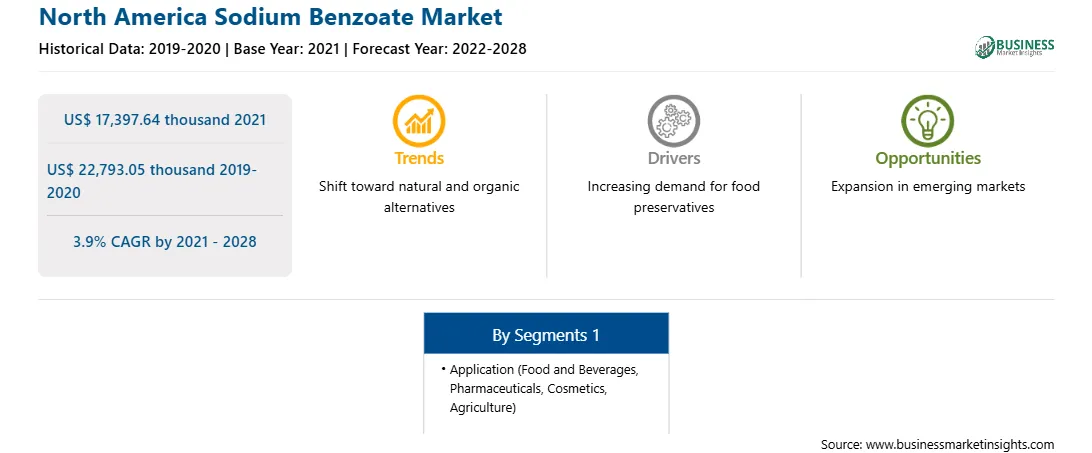
  • Investment Insights: North American Sodium Benzoate Market Outlook 2028

    Get Full Report: https://www.businessmarketinsights.com/reports/north-america-sodium-benzoate-market

    The sodium benzoate market in North America is expected to grow from US$ 17,397.64 thousand in 2021 to US$ 22,793.05 thousand by 2028; it is estimated to register a CAGR of 3.9% from 2021 to 2028.

    Get a sample PDF of the report – https://www.businessmarketinsights.com/sample/BMIRE00025633?utm_source=Blog&utm_medium=10640

    Sodium benzoate is the sodium salt of benzoic acid. It is widely used as a food preservative and a pickling agent in the food & beverages industry. The rising demand for sodium benzoate in this industry is the major factor driving the growth of the North America sodium benzoate market. It is generally recognized as safe by the Food and Drug Administration (FDA) and allows up to a 0.1% concentration by weight when used in food products. Sodium benzoate is used in acidic foods such as salad dressings, carbonated drinks, pickles, jams and fruit juices, condiments, and frozen yogurt toppings to prevent spoilage caused by harmful microorganisms such as harmful bacteria, yeasts, and molds.

    #SodiumBenzoate #Preservatives #FoodAndBeverage #PharmaExcipients #CosmeticsPreservatives #AgriculturalAdditives #FoodSafety #PreservativeMarket #NorthAmericaChemicals #MarketForecast #ChemicalPreservatives #FoodPreservativeTrends #IngredientInnovation #CleanLabelChallenges #F&BIngredients #CosmeticFormulation #PharmaPreservatives #SupplyChainChemicals #CAGRForecast #2028Outlook
    Investment Insights: North American Sodium Benzoate Market Outlook 2028 Get Full Report: https://www.businessmarketinsights.com/reports/north-america-sodium-benzoate-market The sodium benzoate market in North America is expected to grow from US$ 17,397.64 thousand in 2021 to US$ 22,793.05 thousand by 2028; it is estimated to register a CAGR of 3.9% from 2021 to 2028. Get a sample PDF of the report – https://www.businessmarketinsights.com/sample/BMIRE00025633?utm_source=Blog&utm_medium=10640 Sodium benzoate is the sodium salt of benzoic acid. It is widely used as a food preservative and a pickling agent in the food & beverages industry. The rising demand for sodium benzoate in this industry is the major factor driving the growth of the North America sodium benzoate market. It is generally recognized as safe by the Food and Drug Administration (FDA) and allows up to a 0.1% concentration by weight when used in food products. Sodium benzoate is used in acidic foods such as salad dressings, carbonated drinks, pickles, jams and fruit juices, condiments, and frozen yogurt toppings to prevent spoilage caused by harmful microorganisms such as harmful bacteria, yeasts, and molds. #SodiumBenzoate #Preservatives #FoodAndBeverage #PharmaExcipients #CosmeticsPreservatives #AgriculturalAdditives #FoodSafety #PreservativeMarket #NorthAmericaChemicals #MarketForecast #ChemicalPreservatives #FoodPreservativeTrends #IngredientInnovation #CleanLabelChallenges #F&BIngredients #CosmeticFormulation #PharmaPreservatives #SupplyChainChemicals #CAGRForecast #2028Outlook
    WWW.BUSINESSMARKETINSIGHTS.COM
    Sodium Benzoate Market in North America report 2028 | Size, Share, Growth by Business Market Insights
    North America Sodium Benzoate Market was valued at US$ 17,397.64 thousand in 2021 and is projected to reach US$ 22,793.05 Thousand by 2028 with a CAGR of 3.9% from 2021 to 2028 segmented into Application.
    0 Comments 0 Shares 12K Views 0 Reviews
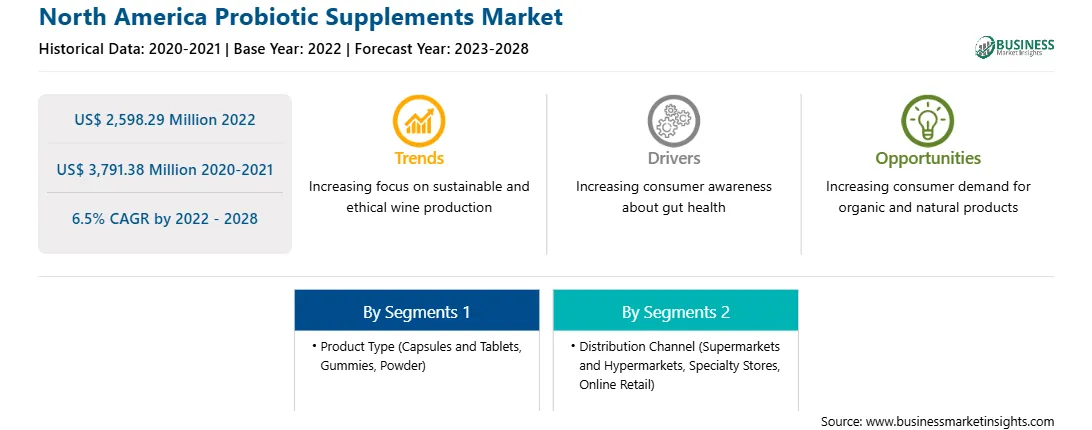
  • North American Consumer Shift Boosts Live Culture Product Market 2028

    Get Full Report: https://www.businessmarketinsights.com/reports/north-america-probiotic-supplements-market

    The North America probiotic supplements market is expected to grow from US$ 2,598.29 million in 2022 to US$ 3,791.38 million by 2028. It is estimated to grow at a CAGR of 6.5% from 2022 to 2028.

    Get a sample PDF of the report – https://www.businessmarketinsights.com/sample/BMIRE00027958?utm_source=Blog&utm_medium=10640

    Increasing Consumer Focus on Preventive Health is Driving the North America Probiotic Supplements Market
    Over the past few years, awareness regarding health and nutrition has increased significantly. Due to a busy lifestyle and hectic work schedules, people cannot concentrate on their health, fitness, and regular diet. This has led to an increase in the prevalence of various diseases such as obesity, diabetes, high blood pressure, skin problems, and digestive issues.

    #ProbioticSupplements #NorthAmericaHealth #DigestiveHealth #ImmuneSupport #PreventiveHealth #WomenHealthSupplements #DietarySupplements #CapsulesAndTablets #SpecialtyRetail #ProbioticMarket #HealthInnovation #WellnessTrends #GutWellness #MarketForecast2028 #NutritionTrends #MedTechSupplements #FunctionalSupplements #PharmaGrowth #HealthAndWellness #PreventiveSupplements
    North American Consumer Shift Boosts Live Culture Product Market 2028 Get Full Report: https://www.businessmarketinsights.com/reports/north-america-probiotic-supplements-market The North America probiotic supplements market is expected to grow from US$ 2,598.29 million in 2022 to US$ 3,791.38 million by 2028. It is estimated to grow at a CAGR of 6.5% from 2022 to 2028. Get a sample PDF of the report – https://www.businessmarketinsights.com/sample/BMIRE00027958?utm_source=Blog&utm_medium=10640 Increasing Consumer Focus on Preventive Health is Driving the North America Probiotic Supplements Market Over the past few years, awareness regarding health and nutrition has increased significantly. Due to a busy lifestyle and hectic work schedules, people cannot concentrate on their health, fitness, and regular diet. This has led to an increase in the prevalence of various diseases such as obesity, diabetes, high blood pressure, skin problems, and digestive issues. #ProbioticSupplements #NorthAmericaHealth #DigestiveHealth #ImmuneSupport #PreventiveHealth #WomenHealthSupplements #DietarySupplements #CapsulesAndTablets #SpecialtyRetail #ProbioticMarket #HealthInnovation #WellnessTrends #GutWellness #MarketForecast2028 #NutritionTrends #MedTechSupplements #FunctionalSupplements #PharmaGrowth #HealthAndWellness #PreventiveSupplements
    WWW.BUSINESSMARKETINSIGHTS.COM
    Probiotic Supplements Market in North America report 2028 | Size, Share, Growth by Business Market Insights
    North America Probiotic Supplements Market was valued at US$ 2,598.29 million in 2022 and is projected to reach US$ 3,791.38 million by 2028 with a CAGR of 6.5% from 2022 to 2028 segmented into Product Typeand Distribution Channel.
    0 Comments 0 Shares 13K Views 0 Reviews
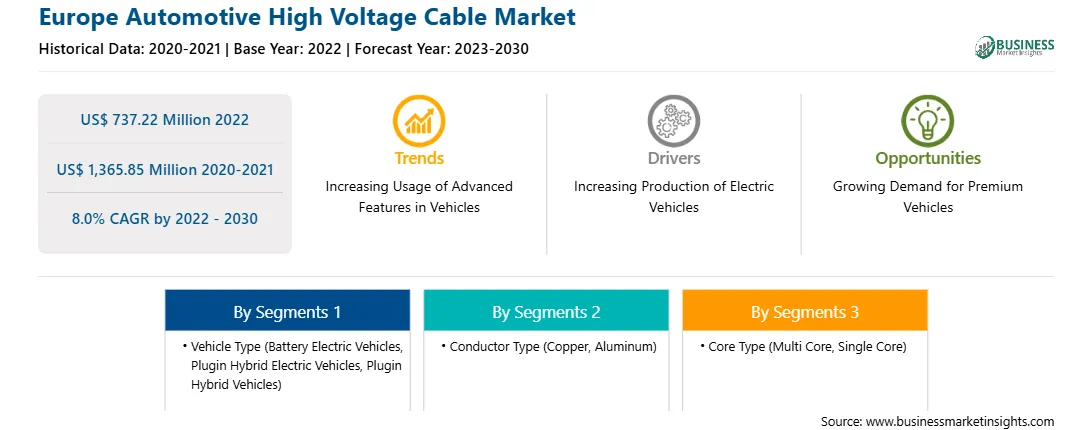
  • Europe Market Outlook: High Voltage Automotive Cables 2030

    Get Full Report: https://www.businessmarketinsights.com/reports/europe-automotive-high-voltage-cable-market

    The Europe automotive high voltage cable market was valued at US$ 737.22 million in 2022 and is expected to reach US$ 1,365.85 million by 2030; it is estimated to grow at a CAGR of 8.0% from 2022 to 2030.

    Get a sample PDF of the report – https://www.businessmarketinsights.com/sample/BMIRE00029225?utm_source=Blog&utm_medium=10640

    Initiatives toward safety requirements and test methods for EV high voltage systems aim to ensure the efficient and reliable operation of EVs while prioritizing the safety of occupants and the surrounding environment. Properly functioning cables are crucial for the safe operation of automobiles, as any malfunction can lead to serious safety hazards such as short circuits or latency in self-driving vehicle cameras. To address safety concerns, standards such as IEC 62955 have been established. This standard provides guidelines for designing and testing EV high-voltage cables, covering aspects such as electrical performance, mechanical robustness, and environmental resistance. By adhering to these standards, automotive high-voltage cable manufacturers can ensure the safety and reliability of their products.

    #HighVoltageCables #EVCables #ElectricVehicles #AutomotiveWiring #EVMobility #800VArchitecture #EVTechnology #AutoElectronics #WireHarness #BatteryCables #ChargingInfrastructure #EMIShielding #LightweightMaterials #AutomotiveInnovation #EVComponents #ThermalManagement #EVCableSystems #MobilityTech #GreenMobility #ElectricDrive
    Europe Market Outlook: High Voltage Automotive Cables 2030 Get Full Report: https://www.businessmarketinsights.com/reports/europe-automotive-high-voltage-cable-market The Europe automotive high voltage cable market was valued at US$ 737.22 million in 2022 and is expected to reach US$ 1,365.85 million by 2030; it is estimated to grow at a CAGR of 8.0% from 2022 to 2030. Get a sample PDF of the report – https://www.businessmarketinsights.com/sample/BMIRE00029225?utm_source=Blog&utm_medium=10640 Initiatives toward safety requirements and test methods for EV high voltage systems aim to ensure the efficient and reliable operation of EVs while prioritizing the safety of occupants and the surrounding environment. Properly functioning cables are crucial for the safe operation of automobiles, as any malfunction can lead to serious safety hazards such as short circuits or latency in self-driving vehicle cameras. To address safety concerns, standards such as IEC 62955 have been established. This standard provides guidelines for designing and testing EV high-voltage cables, covering aspects such as electrical performance, mechanical robustness, and environmental resistance. By adhering to these standards, automotive high-voltage cable manufacturers can ensure the safety and reliability of their products. #HighVoltageCables #EVCables #ElectricVehicles #AutomotiveWiring #EVMobility #800VArchitecture #EVTechnology #AutoElectronics #WireHarness #BatteryCables #ChargingInfrastructure #EMIShielding #LightweightMaterials #AutomotiveInnovation #EVComponents #ThermalManagement #EVCableSystems #MobilityTech #GreenMobility #ElectricDrive
    WWW.BUSINESSMARKETINSIGHTS.COM
    Europe Automotive High Voltage Cable Market to 2030 - By Size, Share, Growth by End User and Forecast | Business Market Insights
    Europe Automotive High Voltage Cable Market was valued at US$ 737.22 million in 2022 and is projected to reach US$ 1,365.85 million by 2030 with a CAGR of 8.0% from 2022 to 2030 segmented into Vehicle Type, Conductor Type, and Core Type.
    0 Comments 0 Shares 11K Views 0 Reviews
  • Boost Your Success with Sales Development and Coaching Techniques

    Boost your business performance with expert Sales Development and Coaching. These proven techniques empower your team to engage leads effectively, close more deals, and build lasting client relationships. With the right coaching, sales reps become more confident, productive, and aligned with business goals—driving long-term growth and success.

    Visit us: https://www.velocity-sales.com/sales-development-and-coaching
    Boost Your Success with Sales Development and Coaching Techniques Boost your business performance with expert Sales Development and Coaching. These proven techniques empower your team to engage leads effectively, close more deals, and build lasting client relationships. With the right coaching, sales reps become more confident, productive, and aligned with business goals—driving long-term growth and success. Visit us: https://www.velocity-sales.com/sales-development-and-coaching
    WWW.VELOCITY-SALES.COM
    Best Sales Training and Development Programs for Companies | Velocity-Sales
    Top corporate sales training programs and coaching for companies. Online sales training, B2B development, and management coaching. Elevate your team's skills today!
    0 Comments 0 Shares 3K Views 0 Reviews
More Results
Ads